Best Time to Visit Tanzania for Safari, Zanzibar and Kilimanjaro
September 2, 2026
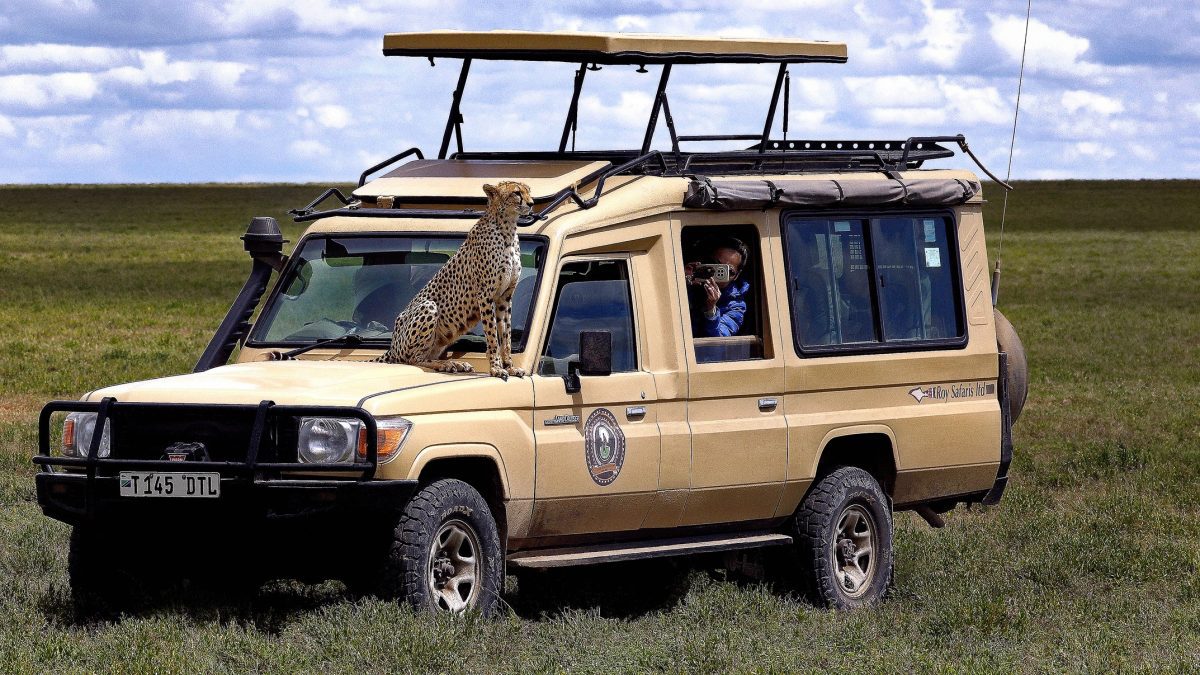
The best time to visit Tanzania depends on the trip you actually want. For classic dry-season wildlife viewing, choose June to October. For the Serengeti calving season, look at late January through February. For a hot bush-and-beach holiday, January and February are strong choices. For greener landscapes, fewer safari vehicles and possible lodge savings, consider parts of March, April, May or November.
That sounds simple, but Tanzania is too large and varied for one universal answer. A brilliant month in the southern Serengeti may not be the best month for a beach-focused stay in Zanzibar or a Kilimanjaro climb. After planning Tanzania journeys since 1989, we have learned that matching the region to the season matters more than chasing a single so-called perfect month.
This guide compares the seasons, wildlife movements, crowds, practical conditions and the experience on the ground. Use it to find your best travel window, then open the linked monthly guide for a more detailed plan.
Best time to visit Tanzania at a glance
| Travel priority | Strongest periods | Main trade-off |
|---|---|---|
| Classic dry-season safari | June to October | Higher demand, more vehicles in famous areas and dusty roads |
| Serengeti calving season | Late January to February | Hotter conditions and occasional rain |
| Possible northern Serengeti river crossings | July to October | Crossings are never guaranteed and waiting areas can be busy |
| Green scenery, birding and fewer vehicles | November to March, plus selected April and May trips | More variable rain, longer grass and occasional difficult roads |
| Zanzibar beach holiday | June to October and January to February | Beach location, wind and tides still affect the experience |
| Kilimanjaro climb | January to early March and June to October | Popular dates and routes can be busy; mountain weather remains changeable |
| Lower rates and a quieter safari | April, May and parts of November | Some seasonal camps close and plans need more flexibility |
Tanzania’s weather is regional, not one national forecast
Tanzania sits close to the equator, but elevation, coastlines and geography produce very different local conditions. Arusha and the northern highlands can feel cool in the early morning. The Serengeti plains may be warm during the day and chilly before sunrise. Zanzibar is generally warmer and more humid, while Kilimanjaro moves through several climate zones on the way to its 5,895-metre summit.
Most travellers plan around four broad periods:
- Long dry season, June to October: generally drier weather, thinner vegetation and wildlife increasingly concentrated around water.
- Short rains, roughly November to December: greener landscapes with showers that may be brief, localised or irregular.
- Shorter dry and hot period, January to February: excellent for the southern Serengeti and a popular time for combining safari with Zanzibar.
- Long rains, broadly March to May: lush scenery, fewer visitors and more variable road and wildlife-viewing conditions.
These are patterns, not promises. Rain can arrive early or late, fall overnight, appear as an afternoon storm or occasionally persist. That is why a regional itinerary and up-to-date local advice are more useful than a weather icon viewed months in advance.
What many travel planners and travellers notice that climate charts do not show
Weather tables tell you how much rain may fall not tell you what a safari day feels like. Across the years, several practical themes appear:
- Green season does not always mean continuous rain. You may encounter showers mainly at night or short bursts during the day. You also may meet heavier weather. The real trade-off is flexibility.
- Rain changes access as well as comfort. Mud, standing water and damaged tracks can slow a journey even when the sky is clear. An experienced driver-guide and a sensible route matter.
- Long grass changes the search. The landscape can be beautiful and sightings may feel private, but animals can take longer to find.
- Dry season has its own inconveniences. Dawn game drives can be cold, roads become dusty and well-known sightings may attract several vehicles.
- A river crossing requires patience. Herds may gather, hesitate and move away. A crossing should be treated as a possibility within a rewarding northern Serengeti safari, not as a timed performance.
- On Zanzibar, the beach matters as much as the month. East-coast tides can expose a wide reef flat at low tide, while parts of the north and northwest offer easier swimming through more of the day.
These details do not make one season good and another bad. They help you choose the version of Tanzania that suits your patience, interests and budget.
Best time for a Tanzania safari
For a first safari with the broadest appeal, June to October is the safest starting point. Vegetation becomes less dense, water grows scarcer and wildlife is often easier to locate around rivers and permanent water sources. Tarangire becomes especially compelling as the dry season advances, while the Serengeti, Ngorongoro Crater and other northern parks remain rewarding.
Peak season does not mean every corner is crowded. It means route design matters. Staying longer in fewer areas, entering parks early and balancing headline locations with quieter sectors can improve the experience. A rushed itinerary often loses more time to driving than it gains by adding another park.
January and February are equally important safari months, especially for travellers interested in the southern Serengeti and Ndutu area. Green landscapes, large herds and the calving period create a very different atmosphere from the golden dry season. This is also a strong period for photographers who prefer colour and dramatic skies.
April and May are more specialised. They can suit repeat safari-goers, photographers, birders and travellers who value space over predictability. Some days may be excellent, but certain roads can become difficult and some camps close. The itinerary should be built around dependable access rather than simply copying a dry-season route.
Best time for the Great Migration
The Great Migration is a year-round movement through the Serengeti-Mara ecosystem, driven largely by rain and fresh grazing. It is not a single event with fixed dates. The approximate pattern below helps with planning, but the herds can move differently from one year to the next.
- December to March: herds are commonly associated with the southern Serengeti and Ndutu plains. Calving is usually concentrated from late January through February.
- April to May: groups generally begin moving northwest through the Serengeti as conditions change.
- June to July: the movement often reaches the western corridor, with Grumeti-area crossings possible before herds continue north.
- July to October: large concentrations may reach the northern Serengeti, where Mara River crossings are possible.
- October to December: the herds generally turn south again as new grazing develops.
Many travellers focus only on a dramatic river crossing. In practice, the hours before a crossing can involve waiting, and the herd may decide not to cross at all. The better plan is to allow enough nights in the right region and enjoy the wider northern Serengeti, its resident wildlife and the scale of the migration even if no crossing happens on cue.
Best time to combine safari and Zanzibar
June to October is a dependable period for a bush-and-beach itinerary, with dry-season safari conditions on the mainland and generally comfortable beach weather. January and February are another excellent combination, especially for travellers who want the southern Serengeti calving season followed by warm Indian Ocean days.
Do not choose a Zanzibar hotel on weather alone. Travellers who want to swim whenever they like often prefer beaches around Nungwi or Kendwa. On the east coast, the sea can retreat a long distance at low tide. That creates beautiful walks, shifting colours and a strong sense of place, but swimming times may need to follow the tide. A hotel pool can be particularly useful there.
April and May bring the greatest risk of prolonged rain and cloud on the islands. November and December are more mixed. They can still deliver hot, bright beach days, but flexible expectations are sensible. Wind, seaweed and visibility for water activities vary by coast and local conditions, so the best island plan matches both the month and the activity.
Best time to climb Kilimanjaro
The most popular climbing windows are January to early March and June to October, when conditions are generally drier. July and August coincide with international holidays and can bring more trekkers to popular routes. January and February may feel warmer at lower elevations, but summit night is cold in every season.
No month guarantees clear skies. Kilimanjaro creates its own fast-changing conditions, and climbers frequently discover that the forest, moorland and summit feel like separate worlds. Good waterproofs, warm layers and a measured itinerary remain necessary in a normally dry month.
When choosing a climb, route length and acclimatisation should carry more weight than finding a supposedly perfect date. A quieter month does not compensate for an itinerary that ascends too quickly. If the climb is part of a larger holiday, we normally design the safari around recovery time rather than expecting travellers to move straight from summit night into a demanding road itinerary.

Best time for birding, photography and fewer crowds
Birders and photographers should not automatically default to the dry season. From November into the first months of the year, migratory birds add interest across many habitats. Green scenery, newborn animals and storm-shaped light can produce richer backgrounds than the pale grasses of late dry season.
For fewer vehicles, consider November, early December, March or selected trips in April and May. The important word is selected. A quieter park is valuable only if the lodges, roads and wildlife locations fit the itinerary. Travelling just outside the busiest weeks can also deliver a good balance between reliable access and a calmer atmosphere.
Month-by-month Tanzania travel planner
| Month | Safari character | Migration focus | Zanzibar and Kilimanjaro | Best suited to |
|---|---|---|---|---|
| January | Warm, green and often rewarding in the north | Southern Serengeti and Ndutu | Strong beach and climbing window | Bush-and-beach trips, birding, green-season photography |
| February | Excellent southern Serengeti wildlife action | Peak calving period is commonly expected | Hot beach weather; popular climbing month | Calving, predators, honeymoons |
| March | Transitional, greener and quieter later in the month | Southern to central areas depending on rain | Early month can suit climbing; beach weather becomes less predictable | Flexible travellers and photographers |
| April | Lush, quiet and rain-dependent | Herds begin moving northwest | Wettest-risk period for beach and mountain plans | Value seekers who accept variable access |
| May | Green season with fewer vehicles and some camp closures | Central and western movement | Conditions often improve toward late May, but remain variable | Experienced safari-goers, birders, value-focused trips |
| June | Drying landscapes and comfortable temperatures | Western corridor and movement north | Strong beach and climbing conditions | Balanced safari, beach and mountain itineraries |
| July | Classic dry-season game viewing | Northern movement and possible crossings | Good beach weather; busy mountain routes | Families, first safaris, migration hopefuls |
| August | Excellent wildlife visibility, dust and high demand | Northern Serengeti concentrations and possible crossings | Reliable beach period; popular climbing month | First-time visitors and school-holiday travel |
| September | Dry, wildlife-rich and often slightly calmer than August | Northern Serengeti and possible crossings | Strong for beach and mountain combinations | Couples, photographers and classic safaris |
| October | Late dry season with heat building in some areas | Northern herds may begin turning south | Good early-month climbing and beach potential | Wildlife around water and shoulder-season planning |
| November | Fresh green growth, returning birds and variable showers | Herds generally continue south | Hotter coast; mountain weather less dependable | Birders, repeat visitors and lower-crowd trips |
| December | Green, warm and popular during festive weeks | Southern plains become increasingly important | Hot bush-and-beach season with occasional showers | Winter sun, festive travel and family holidays |
Tanzania in January
January is warm, green and particularly well suited to the southern Serengeti and Ndutu area. Herds are commonly spread across the short-grass plains, migratory birds add colour and the approach of the main calving period creates growing wildlife activity. It is also a strong month for combining safari with Zanzibar or attempting Kilimanjaro. Demand rises around New Year, so later dates may offer a calmer balance. Read the complete guide to Tanzania in January.
Tanzania in February
February is one of Tanzania’s standout wildlife months. Calving is usually at its height in the southern Serengeti ecosystem, bringing newborn wildebeest and increased predator activity. Conditions are hot, with occasional showers possible, but the green plains can be exceptionally photogenic. It is also a popular month for Zanzibar and Kilimanjaro. Accommodation near the herds fills early, making regional camp selection important. Explore Tanzania in February.
Tanzania in March
March is a transition month. Early March can retain much of February’s southern Serengeti appeal, while rain becomes more likely as the month progresses. Visitor numbers often begin to fall, and the scenery grows increasingly lush. This can reward flexible travellers, although road conditions and herd locations require current advice. Climbers often favour the first part of the month over the later weeks. See what to expect from Tanzania in March.
Tanzania in April
April sits within the long-rains period and is one of the quietest safari months. It is not automatically a washout. Travellers sometimes experience rain mainly overnight or in short bursts, but heavier spells and muddy roads are real possibilities. Tall grass may make wildlife harder to locate, while sightings can feel wonderfully private once found. Some camps close, so careful routing is essential. Decide whether it suits you in our guide to Tanzania in April.
Tanzania in May
May remains green and comparatively quiet. The migration generally advances through central and western parts of the Serengeti, although the timing follows rainfall rather than a calendar. Lower seasonal rates may be available, but lodge choice and road access need scrutiny. Late May can begin to feel transitional as rainfall eases in some years. This month suits travellers who value space, scenery and flexibility more than guaranteed dry weather. Plan around the trade-offs in Tanzania in May.
Tanzania in June
June marks the start of the main dry season and is one of the most balanced months for Tanzania. The landscape often remains attractive after the rains, temperatures are comfortable and wildlife viewing grows easier. Migration activity may be associated with the western corridor before herds move farther north. Zanzibar and Kilimanjaro also enter strong travel windows. June can offer many benefits of peak season before the busiest July and August weeks. Learn more about Tanzania in June.
Tanzania in July
July brings classic dry-season safari conditions. Wildlife becomes increasingly tied to dependable water, Tarangire grows stronger and migration herds may reach the northern Serengeti, where river crossings become possible. The weather is often pleasant by day, but open vehicles and early starts can feel cold. International holidays increase demand, so well-located camps should be reserved early. See the regions and experiences that fit Tanzania in July.
Tanzania in August
August is a prime month for first-time safaris, family travel and northern Serengeti migration trips. Dry conditions, short grass and scarce water can make wildlife easier to find. The trade-offs are dust, high rates and more vehicles in the most famous locations. River crossings remain unpredictable, so allow several nights rather than racing north for one game drive. Zanzibar and Kilimanjaro are also popular. Build a realistic itinerary with our Tanzania in August guide.
Tanzania in September
September retains the strengths of peak dry season and may feel slightly calmer once some school holidays end. Northern Serengeti crossings may still occur, while Tarangire, Ngorongoro and central Serengeti offer reliable wider safari value. Days can be warm and dusty, with cool dawn starts. The coast is attractive and Kilimanjaro conditions are often favourable. It is an excellent month for couples and photographers. Compare the options for Tanzania in September.
Tanzania in October
October is the closing stage of the long dry season. Wildlife often remains concentrated near water, temperatures rise and the landscape can be very dry. The migration may still occupy northern areas before moving south, but rainfall determines the timing. Early October can work well for a safari, beach and mountain combination. Later in the month, visitors should be ready for a transitional atmosphere and the possibility of early showers. Read our guide to Tanzania in October.
Tanzania in November
November usually brings short rains, new grass and a noticeable change in colour. Showers may be brief and followed by sun, although no pattern is guaranteed. Wildlife can disperse as water becomes more available, but birding improves and vehicle numbers often fall. This is a rewarding month for travellers who prefer green landscapes and can accept some uncertainty. Mountain and beach plans require more flexibility. Discover the possibilities in Tanzania in November.
Tanzania in December
December is warm, green and attractive to travellers seeking winter sun. The migration generally continues toward the southern Serengeti as fresh grazing develops. Short showers are possible, but many days can still be hot and bright. Zanzibar works well for a festive beach finish, especially when the hotel and coast match your swimming preferences. Christmas and New Year demand changes the value equation, so book early. Start with our guide to Tanzania in December.
How to choose your month without overthinking it
Start with the experience you would regret missing. If that is calving, prioritise February and the southern Serengeti. If it is a possible Mara River crossing, allow enough time in the north between July and October. If it is swimming from the beach, choose the Zanzibar coast before choosing the hotel. If it is Kilimanjaro, protect enough days for acclimatisation and recovery.
Next, decide which inconvenience bothers you least: dust, crowds, heat, rain, mud or higher prices. Every excellent season has a trade-off. The best itinerary does not pretend otherwise. It uses the season’s strengths and reduces its weaknesses through the right route, pacing and accommodation.
Finally, avoid trying to cover too much. Two well-chosen Serengeti regions are often more satisfying than several parks connected by long, rushed transfers. For a family, honeymoon or first safari, comfort and time in the field usually matter more than the number of names on the itinerary.
Plan the right Tanzania season with a local team
There is no single best month for every traveller, but there is usually a best combination of month, region and pace for you. We have planned journeys across Tanzania since 1989, and our team can shape the route around wildlife, Zanzibar, Kilimanjaro, family needs or a special occasion.
If you are ready to turn the calendar into a practical itinerary, contact Roy Safaris to plan your Safari Tanzania experience.