Tanzania in January: Calving Season, Green Plains and Big Cats
September 7, 2026
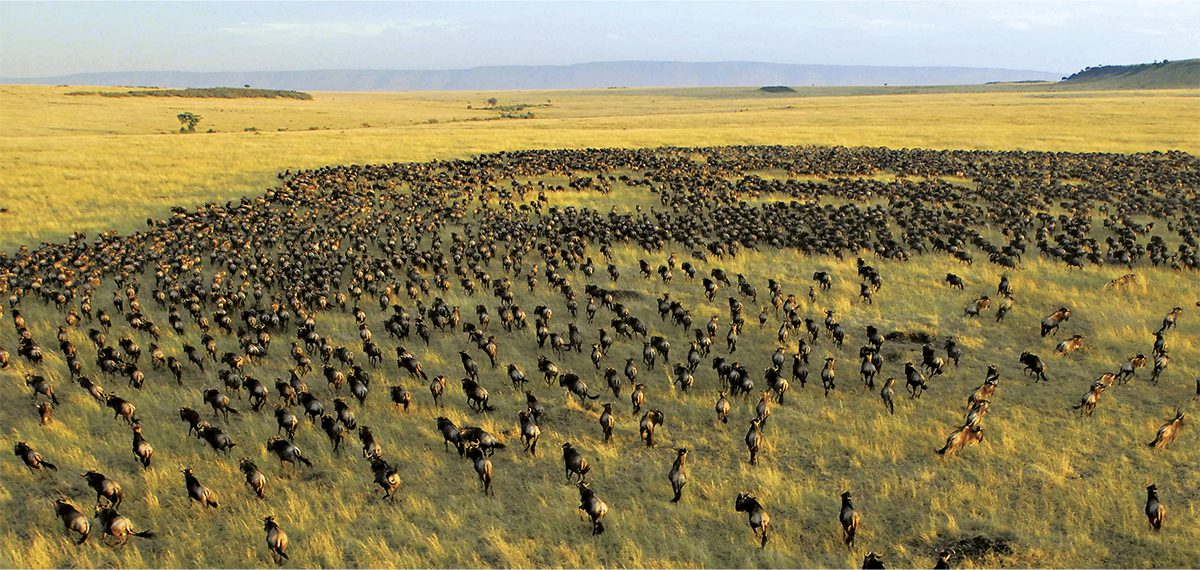
Tanzania in January is a season of green plains, newborn animals and gathering herds. Across the southern Serengeti and Ndutu area, the Great Migration commonly settles around fresh short grass as pregnant wildebeest prepare for the main calving period. Big cats follow the abundance of prey, migratory birds add colour, and the landscape looks entirely different from the dusty peak of the long dry season.
January is also one of Tanzania’s strongest multi-experience months. You can combine a northern safari with hot days in Zanzibar or climb Kilimanjaro during a generally drier trekking window. The month is not rain-free, and New Year dates are busy, but it offers an unusually good balance of wildlife, scenery and beach weather.
We have planned January journeys since 1989, and location remains the decisive factor. A generic Serengeti booking is not enough. Travellers interested in the migration need accommodation positioned for the southern plains, while a rounded first safari should also include resident-wildlife areas such as central Serengeti and Ngorongoro.
Is January a good time to visit Tanzania?
Yes. January is among the best months for travellers interested in the southern Serengeti, green-season photography, birding, Zanzibar and Kilimanjaro. The New Year period begins with high demand, but the atmosphere can become calmer later in the month outside the most sought-after migration camps.
The main misconception is that January is uniformly dry. It often sits in a warmer interval after the short rains, but occasional showers or thunderstorms remain possible. These can refresh the grass and produce dramatic light. They can also create muddy tracks in localised areas, so a good vehicle and experienced driver-guide remain essential.
| January experience | Rating | Why |
|---|---|---|
| Southern Serengeti and Ndutu safari | Excellent | Migration herds commonly gather and calving activity builds |
| Resident wildlife safari | Excellent | Central Serengeti and Ngorongoro remain productive |
| Birding | Excellent | Seasonal migrants join resident species in green habitats |
| Zanzibar | Very good | Hot conditions and many sunny periods suit a beach extension |
| Kilimanjaro | Very good | January is within a popular drier climbing window |
| Low-cost travel | Mixed | Migration camps and New Year dates can command high rates |
What is the weather like in Tanzania in January?
January is warm, and some lowland and coastal areas feel hot and humid. Northern safari mornings can still be cool, particularly around Ngorongoro’s highlands and in an open vehicle before sunrise. Afternoons on the plains are warmer, while Zanzibar remains tropical into the evening.
Rain usually comes as occasional local showers rather than the persistent pattern associated with the long rains. Conditions vary by year and place. One part of the Serengeti can receive a storm while another remains dry. Rain is not merely an inconvenience because it drives fresh grazing and therefore helps shape the migration’s position.
Travellers often discover that packing only for heat is a mistake. Bring breathable clothing for the day, a fleece or light jacket for dawn drives and a compact waterproof layer. Dust is generally less severe than late in the dry season, but camera protection remains sensible because sudden rain and fine road dust can both occur.
Where is the Great Migration in January?
In January, the migration is commonly associated with the southern Serengeti ecosystem, including the short-grass plains around Ndutu and adjoining areas of the Ngorongoro Conservation Area. The precise distribution depends on rainfall. Herds can spread widely across fresh grazing rather than remaining in one photogenic cluster beside a specific lodge.
Calving begins during January and generally increases toward the end of the month, with the main concentration more commonly associated with February. Visitors in late January may see many newborns and predator activity, but no ethical operator should promise a particular birth or hunt.
The practical lesson is to stay near the relevant plains and allow more than one game drive. Travellers sometimes book central Serengeti alone and assume it provides easy daily access to Ndutu. Distances, road conditions and park or conservation-area boundaries make camp location important. A split stay between Ndutu or the southern Serengeti and central Serengeti often provides the best balance.
What is the January calving season really like?
Calving season is not a staged event. Herds feed, move, rest and give birth across an immense landscape. Some game drives may reveal a plain filled with wildebeest and zebra. Others focus on a smaller group, a resting cheetah or a lion pride watching from the grass. The pleasure comes from observing the ecosystem rather than chasing one dramatic scene.
Newborns attract predators and scavengers, but not every encounter becomes a hunt. Patience, respectful viewing distances and a driver-guide who reads animal behaviour create a better experience than racing between radio calls. Green backgrounds and active skies also reward photographers, although longer grass can conceal smaller animals.
Best places to visit in Tanzania in January
Ndutu and the southern Serengeti
This is the first choice for migration-focused January travel. Open short-grass plains support the herds, while woodland and marsh areas add habitat diversity. Selecting the correct camp is critical because properties marketed loosely as Serengeti can be hours apart. The best base depends on travel dates and current rainfall.
Central Serengeti
Central Serengeti is valuable for resident wildlife, rocky kopjes and riverine habitat. It provides a strong complement to the southern plains rather than a substitute for them. Leopards, lions and other animals remain present throughout the year, making this region a useful safeguard against over-focusing on migration movements.
Ngorongoro Crater
The crater adds concentrated wildlife viewing and a dramatic landscape. January conditions are green, and early mornings on the rim can feel cold despite the warm season elsewhere. An early descent helps create more time on the crater floor before day traffic builds.
Is Zanzibar good in January?
January is one of the most attractive months for combining safari and Zanzibar. Conditions are generally hot, and many days are sunny, although an occasional shower remains possible. Warm evenings and sea temperatures create a genuine tropical contrast after early safari starts.
The island is not one uniform beach. East-coast tides can make the ocean retreat hundreds of metres at low tide, so travellers who want uninterrupted swimming should study the local tidal character before choosing a hotel. Nungwi and Kendwa generally offer easier access to deeper water through more of the day. East-coast beaches offer dramatic tidal scenery, kite-surfing conditions in suitable areas and a quieter village atmosphere.
January can be busy around New Year, and popular resorts should be booked well ahead. Later dates may feel calmer, but honeymoon rooms and small boutique properties remain limited. Dress respectfully away from hotel beaches, particularly in Stone Town and local communities.
Can you climb Kilimanjaro in January?
January is within one of the mountain’s preferred climbing windows. Lower slopes are generally warmer than during the middle of the year, and clearer mornings are possible. This does not make the climb warm. Summit night is extremely cold, and rain, snow, cloud or strong wind can occur in any month.
A successful plan begins with enough days for acclimatisation. Route length, a measured pace, trained guides and appropriate equipment are more important than selecting a fashionable summit date. January can be quieter than July or August on some routes, although New Year and full-moon departures attract additional interest.
January safari costs and crowd levels
January is not automatically a low-cost month. New Year travel is expensive, and well-positioned camps in Ndutu and the southern Serengeti are in high demand because of the migration and approaching calving peak. Rates vary by accommodation style and exact dates.
Crowds are concentrated rather than universal. A predator sighting or large herd can attract several vehicles, while another plain may feel empty. Private vehicles, longer stays and earlier starts provide more control. Travelling after the New Year rush can reduce pressure in some places, but the best migration camps still need advance booking.
What to pack for Tanzania in January
- Lightweight, breathable and neutral-coloured clothing
- A fleece or light jacket for early game drives
- A compact waterproof layer
- Comfortable closed shoes and lodge sandals
- Sun hat, sunglasses and high-factor sunscreen
- Insect repellent and clinician-advised medication
- Protection for cameras, chargers and travel documents
- Soft-sided luggage if the itinerary includes light aircraft
- Modest clothing and swimwear for Zanzibar
Suggested January itineraries
A seven-night northern safari can combine Tarangire, Ngorongoro, the southern plains and central Serengeti. Favour the south if migration and calving are the priorities, and avoid repeated one-night stays. Longer trips can add four or five nights in Zanzibar. Kilimanjaro climbers should protect recovery time, while families benefit from fewer bases and suitable room arrangements.
January compared with December and February
December in Tanzania has a stronger festive focus, more short-rain uncertainty early in the month and rising migration interest in the south. January brings hotter conditions and increasing calving activity. February usually represents the heart of the calving period and can create greater demand for the best southern camps.
Use our best time to visit Tanzania guide to compare the entire year.
Should you visit Tanzania in January?
Choose January if you want green Serengeti scenery, gathering migration herds, growing calving activity and the option to add Zanzibar or Kilimanjaro. It is less suitable if you expect dry-season visibility everywhere or assume green season means bargain prices.
A January trip succeeds when the camp follows the wildlife rather than relying on the word Serengeti alone. We can choose the right southern base, balance it with resident-wildlife areas and build the beach or mountain extension around your pace. Contact us to plan your Tanzania Safari.