You’ve Watched Serengeti III: When Should You See the Real Migration?
September 2, 2026
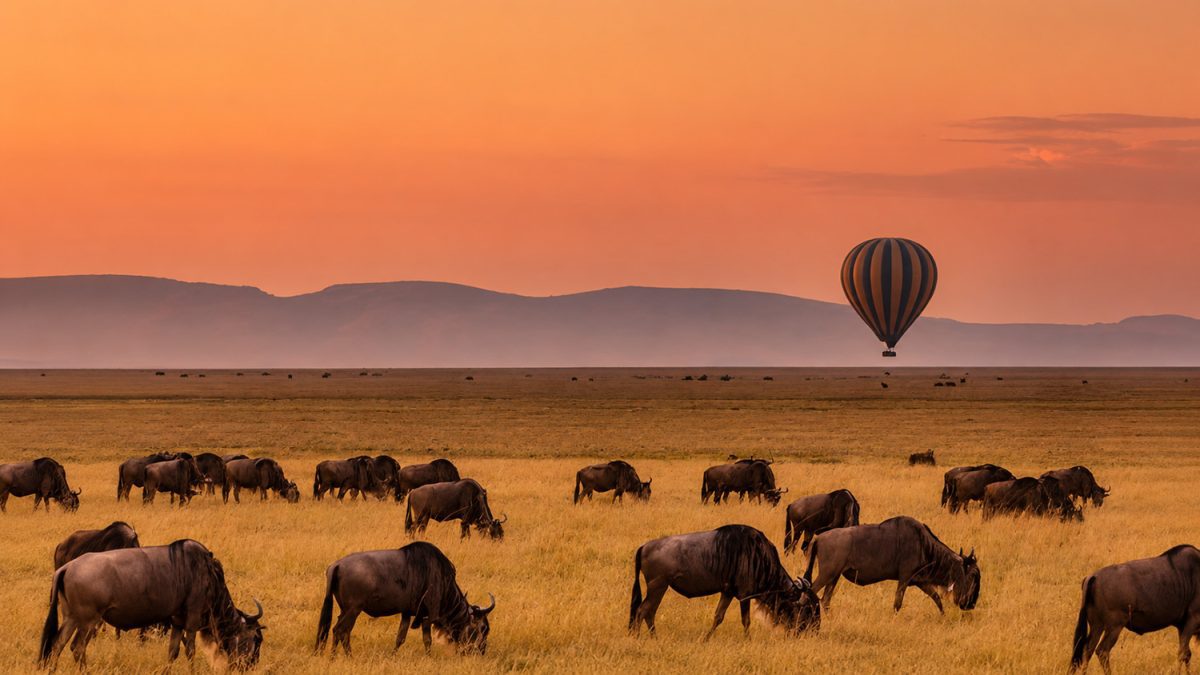
Watching Serengeti III can leave one urgent question: when should you travel to see the migration for yourself?
The honest answer is not a single date. The Great Migration is a continuous circular movement shaped by rain, fresh grass and water across the Serengeti and Mara ecosystem.
More than a million wildebeest travel with hundreds of thousands of zebra and gazelles. But the famous river crossing is only one chapter. Choosing a Tanzania safari around the migration starts with deciding which chapter you actually want to see.
January to March: Calves and predators on the southern plains
The herds are generally associated with Ndutu and the southern Serengeti ecosystem early in the year. Calving is concentrated around February, although births do not begin on one fixed day.
New grass supports the herds, while lions, cheetahs and hyenas take advantage of abundant prey.
This period suits travellers interested in young animals, predator activity, green landscapes and photography. Three or four nights around the southern plains provide more flexibility than racing in for one game drive.
April to May: Green country and changing conditions
As the long rains develop, the herds begin moving away from the short grass plains.
Routes can be muddy, showers may interrupt drives and some seasonal camps close. The reward is a greener, quieter landscape with fewer vehicles, but plans need room for changing road conditions.
June and July: The migration moves north
The herds typically progress through western and central parts of the ecosystem before moving towards northern Serengeti.
This is a transitional period, so lodge location matters. A camp that was well placed several weeks earlier may require long drives once the herds move.
August to October: Northern Serengeti and river country
This is the period most associated with the Mara River. Crossings can happen, but they cannot be booked like an excursion.
Herds may gather near the river and then wait, cross elsewhere or turn away. Allowing several nights in northern Serengeti improves the odds of being present when something develops, but it never creates a guarantee.
November and December: The southward return
Short rains encourage new growth, and the migration generally begins moving south again through the eastern and central ecosystem.
December can offer green scenery and good resident wildlife, but the herds’ exact position depends on current rainfall.
Choose the season before choosing the lodge
A common planning mistake is selecting a famous camp first and then expecting the migration to appear nearby.
Start with your travel dates and the experience you value: calving, northern river country, a quieter green season or broader wildlife viewing. Then choose the park region and accommodation.
Also consider how many nights you can give the Serengeti. A longer stay does not guarantee a dramatic event, but it gives your guide more mornings, more routes and more chances to follow recent wildlife reports without rushing between camps.
Roy Safaris’ 10-day Great Migration safari illustrates how Tarangire, Ngorongoro and different parts of the Serengeti can form one route.
Treat the schedule as a seasonal framework, not a promise of a crossing. The best Serengeti safari leaves enough time for a guide to respond to the conditions actually found on the ground.