Tanzania in July: Dry-Season Wildlife and Moving Herds
September 8, 2026
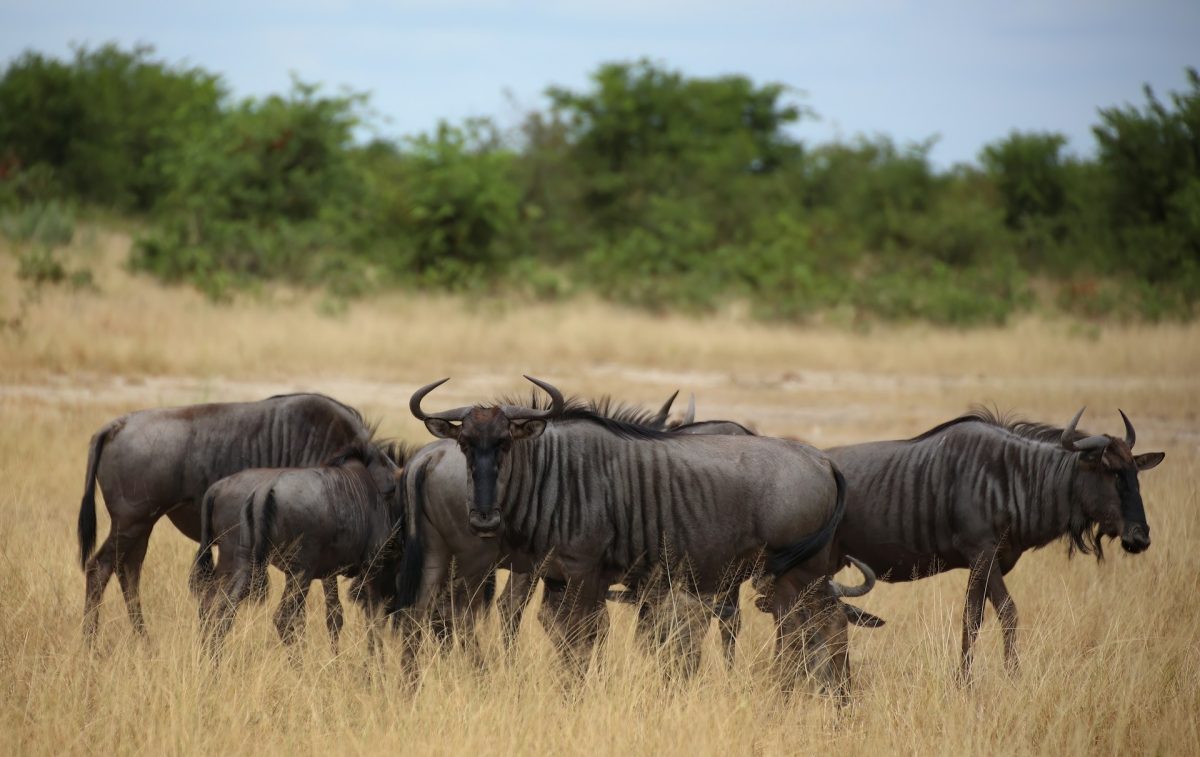
July is when Tanzania resembles the safari many people imagine. The dry season is established, wildlife gathers more predictably around water and grass loses its green-season height. Those attractive conditions also bring fuller lodges and busier sightings.
The Great Migration may be approaching or crossing the Mara River, but herds do not follow booking dates. Northern activity begins early in some years, while groups remain farther south or west in others. The trip must work even if no crossing occurs during your stay.
Is July a good time to visit Tanzania?
July is one of Tanzania’s strongest all-round safari months. The northern circuit is fully active, Tarangire is entering its celebrated elephant season, and Ruaha and Nyerere offer increasingly concentrated dry-season wildlife. Kilimanjaro is within a popular climbing period, while Zanzibar provides a dry and breezy coastal finish.
| July is especially good for | July requires planning for |
|---|---|
| Classic dry-season wildlife viewing | High demand and reduced last-minute choice |
| Possible northern Serengeti migration activity | River crossings that remain unpredictable |
| Tarangire, Ruaha and Nyerere | More vehicles at famous sightings |
| Generally dry days and comfortable afternoons | Cold dawn drives and highland nights |
July weather in Tanzania
July is generally dry across Tanzania’s main safari regions. Daytime conditions are comfortable rather than intensely hot, humidity is comparatively low inland and rain is uncommon. Dust increases as roads dry and more vehicles travel through the parks.
Dawn is the surprise. Serengeti mornings can be properly cold in an open vehicle, and Ngorongoro’s rim is colder still. Guests often arrive dressed for equatorial Africa and spend the first drive wrapped in lodge blankets. Bring a warm layer, then remove it as the sun rises.
The coast is warmer, but southeast trade winds can feel breezy. Sea conditions vary by coast, so diving and boat plans should follow local advice.
Where is the Great Migration in July?
July is a movement month. Herds may be spread between the Western Corridor, central-northern Serengeti and the far north around Kogatende and the Mara River. Early July and late July can therefore require very different camp choices.
In an earlier-moving year, large groups may reach the Mara River during the first half of the month. After slower rains, substantial numbers may still be travelling north. This is why placing every July guest beside the river is not automatically correct.
The migration is impressive away from a crossing. Wildebeest columns, zebra on open slopes and predators following the herds belong to the same journey. A safari designed around one leap into one river misses much of the experience.
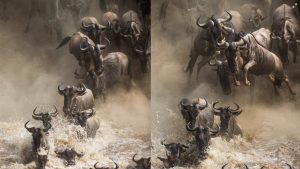
Can you guarantee a Mara River crossing?
No. A guide can monitor herd positions, identify active crossing areas and spend time near the river, but nobody can schedule the moment. Wildebeest may gather for hours and turn away. They can cross before the vehicle arrives, after it leaves or at a different point entirely.
Once the herds are genuinely north, stay at least three nights in the appropriate area. One night provides little more than an arrival and departure, while several days improve the chance without creating a guarantee.
Responsible viewing matters when action begins. Vehicles should use designated positions, avoid blocking entry and exit routes and follow park instructions. The objective is to witness natural behaviour without turning the riverbank into an obstacle course.
Our Great Migration guide explains the difference between seasonal positioning and a guarantee.
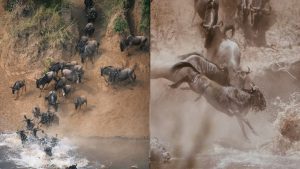
Northern and central Serengeti serve different purposes
Northern Serengeti is the seasonal focus when herds approach the Mara River. Its rolling country, riverine woodland and open valleys also support elephants, lions, leopards and other resident wildlife. It deserves to be explored beyond the crossing points.
Central Serengeti provides a broader predator landscape and a dependable network of game-viewing routes. A split stay can be stronger than putting every night in the north. Central days protect the trip from migration uncertainty, while northern nights create access to the seasonal movement.
Tarangire comes into its own
As seasonal water sources dry, elephants, buffalo, zebra, wildebeest and other animals increasingly use the Tarangire River corridor and permanent wetlands. July is when the park begins delivering the concentrated wildlife for which its dry season is known.
Elephants are the headline, but baobab woodland, Silale Swamp, savannah and river bends create varied game-viewing. Predators follow prey movement, while dry-country birds add interest between larger sightings.
Two nights allow the guide to move beyond the busiest northern section. See our Tarangire National Park guides when deciding how much time to allocate.
Ngorongoro Crater in July
The crater offers productive resident wildlife, dramatic scenery and a logical link between Tarangire and Serengeti. July demand is high. Descending early can provide quieter roads, active animals and better light before day visitors accumulate.
The rim can be misty and cold even when the crater floor is sunny. Staying near the chosen descent gate reduces morning driving, but a famous crater-rim address is not always worth sacrificing another Serengeti night.
July is excellent for southern Tanzania
Ruaha and Nyerere become increasingly rewarding as the dry season advances. In Ruaha, wildlife is drawn towards rivers and remaining water, with elephants, buffalo and predators using the same shrinking resources. Nyerere combines game drives with boat safaris along the Rufiji system, giving July travellers a perspective unavailable in most northern parks.
Southern Tanzania suits anyone who values space, but plan around flights and camp locations. It is rarely sensible to bolt Ruaha onto a short northern circuit merely to collect another park name.
Our Ruaha and Nyerere safari combines the two regions by air.
July crowds without the drama
July is busy, but not every game drive needs to feel crowded. Congestion usually concentrates around famous sightings, river access points and limited roads. A patient guide can leave a vehicle cluster, explore quieter habitat and return later rather than spending an hour competing for the same photograph.
Is July good for families?
School holidays make July popular with families, and the dry weather simplifies daily logistics. It is still important to control the pace. Long transfers, very early starts and late finishes can exhaust children before the best part of the trip.
Choose family rooms early, add a pool where possible and alternate long drives with shorter sessions. A private vehicle gives control over stops and meals. Confirm age restrictions before making walking safaris or ballooning central to the plan.
Is July good for Zanzibar?
July is dry, warm and popular on Zanzibar. It works well after safari, especially for travellers escaping a colder home climate without wanting the intense humidity of the island’s hottest months.
The southeast trade wind draws kitesurfers to Paje and Jambiani, while Nungwi and Kendwa offer easier swimming through more of the tidal cycle. Do not turn the coast into another safari schedule. One Stone Town day, selected excursions and unstructured beach time usually work better. Explore our Zanzibar beach packages by coast and travel style.
Climbing Kilimanjaro in July
July is one of the most popular months to climb Kilimanjaro. The main dry season generally offers favourable trail conditions and clearer periods, but popular routes can be busy. The mountain still creates its own weather, and summit temperatures remain severe.
Choose the route for acclimatisation, scenery and crowd preference, not merely the shortest climb. Dry trails do not protect against altitude illness, so pacing, health monitoring and sufficient days remain essential.
How far ahead should you book July?
Book well ahead for family rooms, small camps, northern Serengeti locations or a particular Zanzibar hotel. Bush flights and well-positioned camps can determine the entire route.
A strong July itinerary
For eight to ten safari nights, spend two in Tarangire, one or two around Ngorongoro, two in central Serengeti and three in northern Serengeti when herd reports support the north. Fly back to Arusha from Kogatende if time is limited.
If the migration is not your main priority, use central Serengeti, Tarangire and Ngorongoro for a classic route, or devote the trip to Ruaha and Nyerere. Our ten-day Great Migration safari provides a starting point that can be adjusted to July’s actual herd locations.
What to pack for Tanzania in July
- A fleece or insulated layer for dawn drives
- A light windproof jacket
- Neutral clothing that can be layered
- A hat, sunglasses and sunscreen
- Lip balm and moisturiser for dry air
- A scarf or buff for dust
- Binoculars and spare camera batteries
- Soft-sided luggage for bush flights
July compared with June and August
June is greener and more transitional, with migration attention often focused on the Western Corridor. July is drier and busier, with the herds commonly moving towards northern Serengeti. August usually brings an even more established dry-season appearance and continued northern migration possibilities, alongside sustained peak demand.
See the whole year in our best time to visit Tanzania guide.
Our verdict on Tanzania in July
July deserves its popularity, but it rewards realistic planning more than hype. Come for dependable dry-season safari conditions, Tarangire’s strengthening wildlife concentrations and a chance of seeing the migration in northern Tanzania. Do not come believing that a river crossing is an appointment included in the price.
We can check recent herd movement, select the correct Serengeti region and balance migration time with resident wildlife. Contact us to plan your Tanzania safari in July before the best-positioned options disappear.