Tanzania in June: Safari, Weather & Migration
September 10, 2026
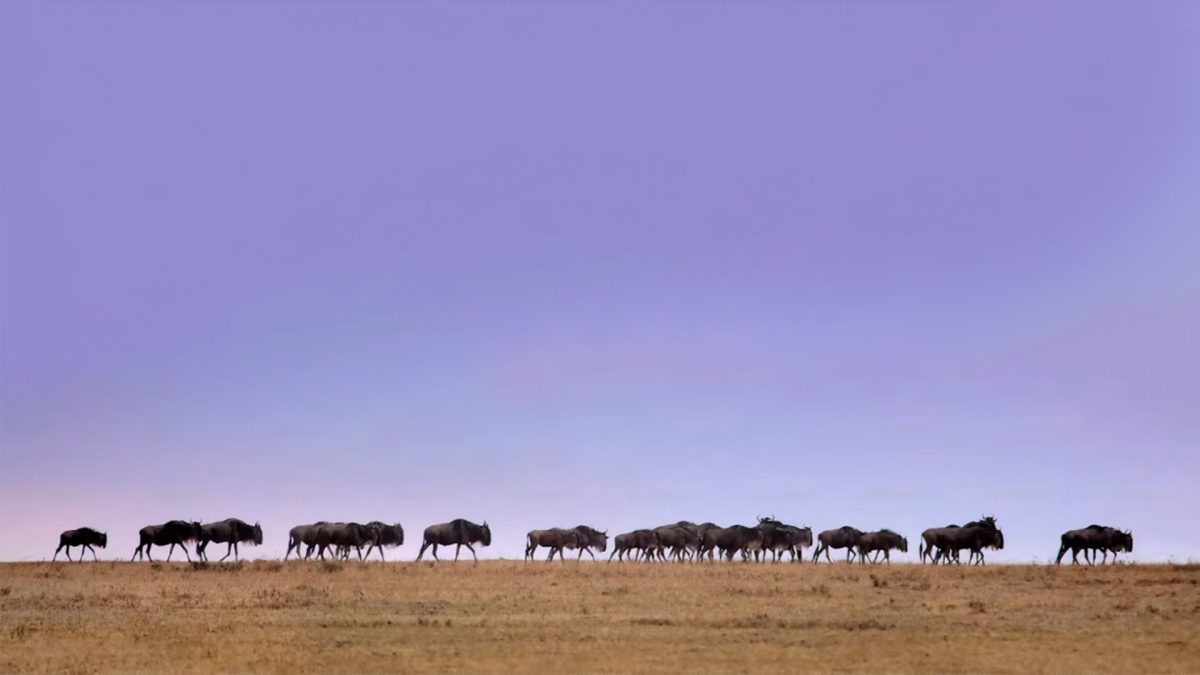
June is Tanzania’s hinge month. The long rains retreat, roads begin to firm, seasonal camps reopen and the safari country starts changing from green to gold. It carries much of the visual freshness of the wet season but with increasingly dependable travel conditions. That combination makes June one of the most balanced months in the year.
Calling June simply the start of the dry season misses its character. Early June can still feel transitional, while late June is busier and drier. The Great Migration is often moving through western Serengeti, Tarangire’s wildlife concentration is beginning, and southern Tanzania is returning to full strength.
Is June a good time to visit Tanzania?
June is an excellent time for a Tanzania safari when you want generally improving weather, strong wildlife and fewer peak-season pressures than July or August. It suits first-time visitors because the classic northern circuit works well, but it also rewards repeat travellers who focus on the Western Corridor, Ruaha or Nyerere.
| June is especially good for | What to understand before booking |
|---|---|
| The transition into dry-season game viewing | Early June may retain showers and softer tracks |
| Western Serengeti migration movement | Grumeti crossings cannot be guaranteed |
| Comfortable daytime safari conditions | Dawn and highland nights can feel cold |
| Northern and southern circuit options | Demand and prices rise as July approaches |
June weather in Tanzania
June usually marks the start of Tanzania’s main dry season. Rain becomes less frequent across the northern safari circuit, humidity falls and the days are often clear or lightly clouded. Recent rainfall can still influence roads and grass height, especially at the beginning of the month.
The pleasant afternoon weather can disguise how cool a safari feels before sunrise. An open vehicle offers little protection from moving air, and the Ngorongoro Highlands are colder than the plains. Travellers repeatedly underestimate this contrast. A fleece and a light windproof layer are more useful than dressing for the midday temperature shown on a weather app.
Where is the Great Migration in June?
In many years, large wildebeest and zebra herds move through the Serengeti’s Western Corridor during June. The route takes them towards the Grumeti River and then northwards as they continue following water and grazing. The exact timing changes with rainfall.
The Grumeti is not the Mara River. Its crossings are generally less vast and less predictable as a tourism spectacle, but the western landscape is compelling in its own right. Herds can stretch across the plains, males remain active during the rut, and the riverine areas support resident wildlife as well as migration movement.
A June migration safari should not promise that the herds will leap into the Grumeti on a particular morning. It should place you within reach of the likely movement, allow multiple nights and retain an alternative wildlife plan. Waiting at an empty crossing point while ignoring lions, elephants and plains full of wildebeest elsewhere is not good guiding.
Read our Great Migration timing guide before choosing between central, western and northern Serengeti.
How to choose a Serengeti base in June
The Western Corridor is the seasonal choice when current movement supports it. Camps around the west reduce long daily transfers and position the safari for the Grumeti region. Some seasonal camps only reopen as conditions improve, so availability and opening dates need confirmation.
Central Serengeti remains the dependable all-round option, with resident predators, riverine habitat and an extensive road network. It works particularly well in early June, when westward migration progress remains uncertain, or when broad wildlife viewing matters more than tracking the largest herds.
Four nights allow a central and western split. Two or three nights usually favour one carefully selected base. A fly-out from the Serengeti can save a full day of retracing the route to Arusha, especially after a western stay.
Tarangire begins to change in June
June opens Tarangire’s long dry season. Seasonal pans begin drying and wildlife starts relying more heavily on the Tarangire River and permanent wet areas. Elephant encounters can be excellent, although the largest concentrations usually develop later as the surrounding ecosystem becomes drier.
This is a beautiful time to see the park in transition. Baobabs remain the visual anchor, grass can still hold colour, and birdlife is varied. The park should not be treated merely as a one-night stop before the Serengeti. Two nights provide time to explore beyond the busiest northern circuits and to see how woodland, swamp and river habitats differ.
Learn more about the park in our Tarangire National Park guides.
Ngorongoro and Lake Manyara in June
Ngorongoro Crater remains a strong addition because its resident wildlife provides a different experience from the travelling Serengeti herds. June mornings on the rim can be cold and misty, followed by clearer conditions on the crater floor. Entering early helps with both wildlife activity and vehicle numbers.
Lake Manyara can retain green forest and useful waterbird habitat after the rains. Elephants, baboons and monkeys often provide the most memorable encounters. Lakeshore access depends on water levels and road conditions, so do not make the park’s value depend on flamingos or one famously elusive tree-climbing lion.
June opens southern Tanzania
June is when Ruaha and Nyerere become increasingly attractive. Roads improve, more camps operate and the dry-season wildlife pattern begins. Nyerere adds boat safaris on the Rufiji system, while Ruaha offers baobab country, predators and an expansive sense of wilderness.
The south offers different habitats, activities and logistics rather than simply replacing the Serengeti. Bush flights are usually more sensible than connecting it to northern Tanzania by road. A dedicated Ruaha and Nyerere safari protects time in the parks.
Is June good for Zanzibar?
June is a strong month for a Zanzibar extension. The main rains are generally ending, humidity is more comfortable and bright days become more dependable. The southeast trade wind begins influencing the coast, which can appeal to kitesurfers while making some exposed boat journeys breezier.
Nungwi and Kendwa suit travellers who prioritise swimming through more of the tidal cycle. Paje, Jambiani and Bwejuu offer reef-flat beaches and wind sports, but the sea retreats dramatically at low tide. Matemwe is a quieter northeast base for Mnemba excursions.
June is increasingly popular, so well-regarded beach hotels can fill. Our safari and Zanzibar itineraries show how to end the trip at a slower pace rather than filling the coast with another week of early starts.
Climbing Kilimanjaro in June
June begins one of the more popular Kilimanjaro climbing periods. Rain usually decreases, visibility can improve and trail conditions become more comfortable. Early June may still carry residual moisture through the forest zone.
No dry-season label makes the mountain easy. Kilimanjaro rises through several climatic zones, and summit night remains extremely cold. Acclimatisation, pace, crew standards and equipment matter more than chasing a supposedly perfect date. A longer route normally gives the body more time to adapt than the shortest itinerary.
June crowds, availability and cost
June sits between shoulder season and full peak season. Early departures may find relatively quiet conditions, while late June brings school holidays, more safari vehicles and stronger demand for migration camps. Prices do not change uniformly. Some offers end in mid-May, and seasonal properties reopen at their standard rates.
Location deserves priority over a superficial discount. A cheaper camp several hours from the western migration focus can cost valuable game-viewing time. Equally, paying a premium for a west-coast label makes little sense if current herd reports favour central Serengeti.
A well-paced June safari
For seven nights, combine two nights in Tarangire, one or two around Ngorongoro and three or four in the Serengeti. Choose the Serengeti zone using current migration information. If the west is important, consider flying out rather than completing a long return drive.
With ten nights, add Lake Manyara, extend the Serengeti or slow the route rather than automatically adding more parks. For a first safari, our drive-in and fly-out Tanzania itinerary provides a useful framework.
What to pack for Tanzania in June
- A warm fleece for dawn and highland evenings
- A light windproof jacket
- Neutral shirts and trousers for layering
- Sun hat, sunglasses and high-factor sunscreen
- Closed shoes and comfortable camp footwear
- Binoculars and camera protection
- Lip balm and moisturiser as the air becomes drier
- Soft-sided luggage for internal flights
June compared with May and July
May is greener, quieter and wetter, with a greater chance of road or camp disruption. June offers improving reliability while retaining some green-season character. July is drier, colder at dawn and busier, with migration attention moving farther north and the possibility of Mara River activity.
Compare the full calendar in our best time to visit Tanzania guide.
Our verdict on Tanzania in June
June is not merely the warm-up to July. It has its own identity: transitional landscapes, strong general wildlife, western Serengeti possibilities and a broad choice of northern or southern routes. It suits travellers who want the advantages of the dry season without insisting that every horizon must already look like August.
We can match your dates to current herd movement, choose a practical camp and build the route around the experience rather than a generic migration map. Contact us to plan your June Tanzania safari.