Tanzania in March is Six Different Trips
September 5, 2026
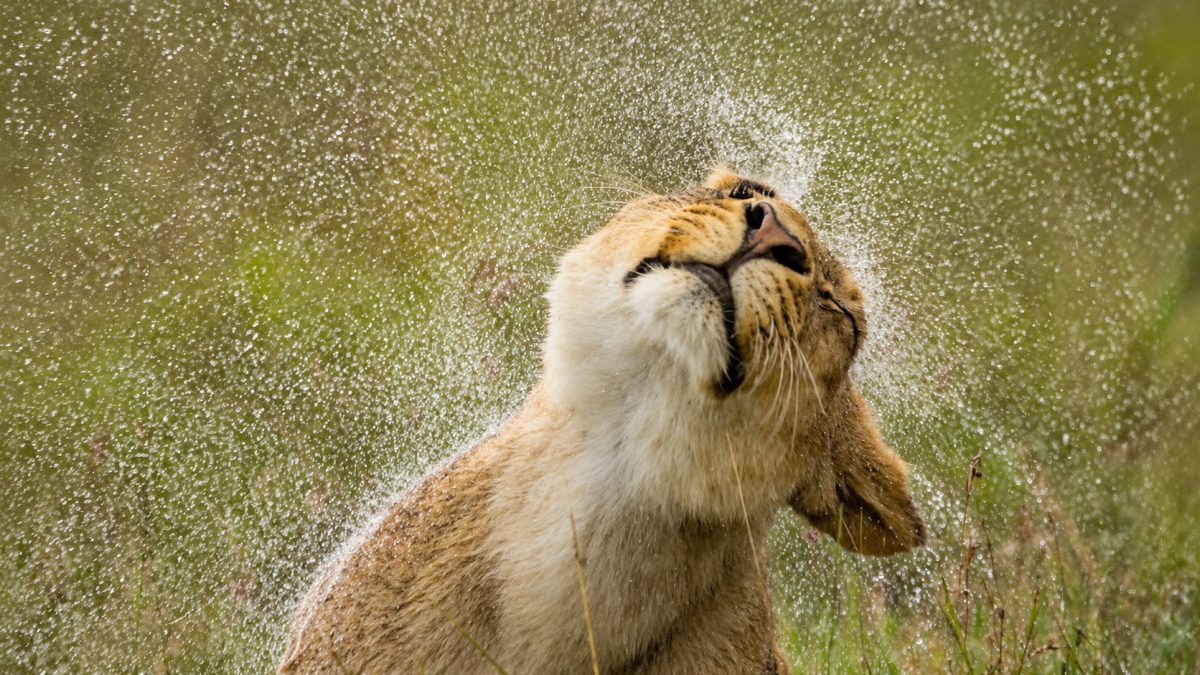
Tanzania in March is not one holiday. Depending on what pulls you, it could be a quiet Big Five safari away from the migration crowds, a beach finish on Zanzibar, a Kilimanjaro climb squeezed in before the long rains properly arrive, a chimp trek in the far west, a flamingo-and-volcano detour to the Rift Valley, or a few days learning from Maasai and Hadzabe communities near Lake Eyasi. Most articles about this month only tell one of those stories, usually the migration one, because it is the easiest to write about. Here is how each trip actually plays out in March, so you can work out which one you are really planning.
If you want a general safari, without chasing the migration
You do not need the Great Migration to have a strong March safari. Ngorongoro Crater is productive whatever the calendar says, its resident lion, elephant and rhino populations unaffected by where the wildebeest happen to be. Central Serengeti‘s resident leopards and lions are just as reliable, and March brings the added benefit of a genuine shoulder season: quieter camps, more room to negotiate an itinerary, and rates that sit well below the June to October peak.
Tarangire is worth a stop for its baobabs, elephants and birdlife, particularly if variety of landscape matters more to you than concentrated wildlife numbers. Treat it as one stop on a wider route rather than the main event, since its dry-season crowds around the river have not yet built up. For travellers who simply want strong game viewing without planning around one specific event, this is often the least complicated version of a March safari to book.
If the migration is exactly what you’re after
Early March still holds large herds around Ndutu and the southern Serengeti plains, a continuation of February’s calving season rather than a hard stop. If seeing the migration specifically is your goal, base yourself in the south and go sooner rather than later in the month, since the herds begin drifting west as the rains build through March. This is a big enough topic that it deserves its own detailed planning guide rather than a paragraph here.
If you’re climbing Kilimanjaro
March sits at the edge of a viable climbing window rather than in the middle of one. Early in the month, trails are generally passable and conditions manageable, with rain more noticeable in the lower forest zone than higher up. By the back half of March, the long rains start to properly establish themselves and conditions on the mountain deteriorate, so we would not recommend booking a summit attempt for the final third of the month without genuine flexibility built into your schedule.
If Kilimanjaro is genuinely part of the plan, put the climb at the front of the trip while conditions are at their best, then move on to safari once you are back down, rather than tacking the mountain onto the end of a longer itinerary and hoping the weather holds.
If you want cultural encounters
A cultural leg pairs unusually well with March, largely because it is far less weather-dependent than a game drive. Visits to Maasai communities around Ngorongoro, Longido or Monduli, or to the Hadzabe and Datoga near Lake Eyasi, revolve around walking, conversation and demonstration rather than open-vehicle wildlife spotting, so an afternoon shower rarely derails the day the way it might on the plains.
Arusha itself is worth a half day if you are passing through: the central market, the Arusha Declaration Museum and a coffee tasting give useful context before heading into the parks. Olduvai Gorge, on the road between Ngorongoro and the southern Serengeti, adds an hour well spent if you have any interest in early human history, and slots naturally into a route that is already heading that way for the migration or the crater.
If you want a beach finish: Zanzibar
Zanzibar in March runs on its own clock, but the shape of the month is familiar: hot and largely settled early on, wetter and more humid as the weeks pass. Early March still offers strong swimming, snorkelling and diving conditions, with warm, clear water and visibility that holds up well compared to the choppier seas of December and January. By mid to late March, showers become more frequent and the long rains start to build, and some operators consider the back half of the month the start of Zanzibar’s quieter, wetter low season rather than part of its dry-season peak.
That makes March a reasonable month for a beach add-on if your dates fall earlier rather than later, and a riskier one if you are locked into the final week or two. A resort with a good pool, shaded common areas and activities beyond the beach itself, a spice tour or a Stone Town half day, turns an unexpected shower into a minor inconvenience rather than a wasted afternoon. If uninterrupted sun is the entire point of the holiday, the June to October dry season or January and February remain the safer bet. Our safari and Zanzibar itineraries show how the two are usually combined.
If you want something wilder: Lake Natron
Lake Natron is a genuine detour, not a stop on the way to somewhere else, and March is an honest trade-off rather than an easy yes. The lake and the surrounding Maasai country are visitable year-round, but the access roads are unsealed and can turn genuinely difficult once the long rains take hold, and the flamingo breeding congregation that makes Natron famous peaks between August and October, not in March.
What you get instead in March is a quieter, greener version of an already remote landscape, with Ol Doinyo Lengai’s volcanic cone rising over the lake and far fewer other vehicles on the track. If Natron is on your list mainly for the flamingo spectacle, this is not the month. If it is on your list for the scenery, the Maasai walking culture and the sense of being genuinely off the circuit, March still delivers, provided your itinerary allows for a slower, muddier drive in.
If you want the deep west: Lake Tanganyika, Mahale and Gombe
Mahale Mountains and Gombe Stream, on the shores of Lake Tanganyika, sit inside their own long rains through March, generally heavier and more consistent than the showers further east. Chimpanzee trekking still runs. The habituated groups tend to stay on the lower slopes when food is scarcer in the wet season, which in practice can mean a shorter, easier trek to reach them than during the dry season’s high-forest chases.
The trade-off is a genuinely wet few days, muddier forest paths, and less certainty around the light for photography. It is also the cheapest and quietest time of year to visit, since most visitors concentrate in the June to October dry season. This is a trip for travellers who want the chimps and the lake more than they want guaranteed sunshine, and who are happy to fly rather than drive given how remote the region already is. Access is by light aircraft or boat only, so factor that into both budget and schedule if this is the leg you care about most.
Which March trip suits you
| Interest | What March actually offers | Main trade-off | Cost positioning |
|---|---|---|---|
| General safari, no migration focus | Reliable resident wildlife in Ngorongoro and central Serengeti, genuine shoulder-season value | Less spectacle than peak season, though also fewer vehicles | Lower to mid-range |
| Great Migration | Large herds still in the south early in the month, thinning as the month goes on | Timing and region matter more than the month name alone | Mid-range, mobile camps add cost |
| Kilimanjaro | A viable window, strongest in the first half of the month | Conditions worsen noticeably by late March | Driven by route and days, not month |
| Cultural visits | Largely weather-independent, pairs well with a rainy afternoon | Best combined with another leg, not built entirely around one | Low, easy to add to any route |
| Zanzibar | Hot and largely settled early in the month, good swimming and diving conditions | Wetter and more humid from mid-month, riskier for late-March dates | Varies widely by resort tier |
| Lake Natron | Quiet, green, far fewer vehicles | Not the flamingo season, and roads can be difficult | Mid-range, specialist camp and transfer |
| Mahale and Gombe | Chimps still trackable, below the park’s own peak-season rates | Genuinely wet, harder access, less predictable light | Highest of the six, remoteness drives this more than season |
Building a trip around more than one of these
Most travellers end up combining two or three of these rather than choosing just one. A strong first-timer’s route is Kilimanjaro or the northern circuit parks first, while conditions are best, followed by Ngorongoro and either the southern Serengeti or a cultural leg near Lake Eyasi, depending on whether the migration is a priority, with an early-March Zanzibar finish if a beach stay is part of the plan. Natron and the western circuit both demand more time and tolerance for rough roads or remote access, so they suit travellers on a longer trip or a second visit to Tanzania rather than a first, tightly scheduled week.
Where the real cost differences are
These six trips are not priced alike, and month has less to do with that than location. A general safari through Ngorongoro and central Serengeti in March sits at the more affordable end simply because it is shoulder season on well-established routes, with plenty of camps competing for business. Zanzibar and cultural day trips near Arusha and Lake Eyasi are similarly accessible, priced more like a standard holiday than a specialist expedition.
Kilimanjaro’s cost depends mostly on route and number of days rather than the month, though a shorter, less flexible climb squeezed into a risky late-March window is a false economy if bad weather forces a turnaround. Lake Natron sits in the middle: a specialist camp and a long drive add cost without approaching expedition pricing. Mahale and Gombe are the outlier. Remoteness, not season, drives their price, and even a quieter, cheaper-than-peak March visit will usually cost more than a comparable number of nights on a Serengeti or Ngorongoro safari.
Whatever the mix, build in enough nights per stop that a shower, a muddy transfer or a delayed light aircraft does not derail the whole plan, and be honest with your operator about which of these experiences is actually the priority. A route built to include everything, with only one or two nights each, usually serves none of them particularly well.
Tell us which of these trips sounds like yours
The version of Tanzania that suits you in March depends entirely on what you came for, migration, mountain, chimps, beach, culture or a quieter general safari, and no single itinerary serves all of them equally well. Tell us which one you are actually after and we will build the route, and the pace, around that.