Tanzania in February: When the Serengeti Comes Alive
September 4, 2026
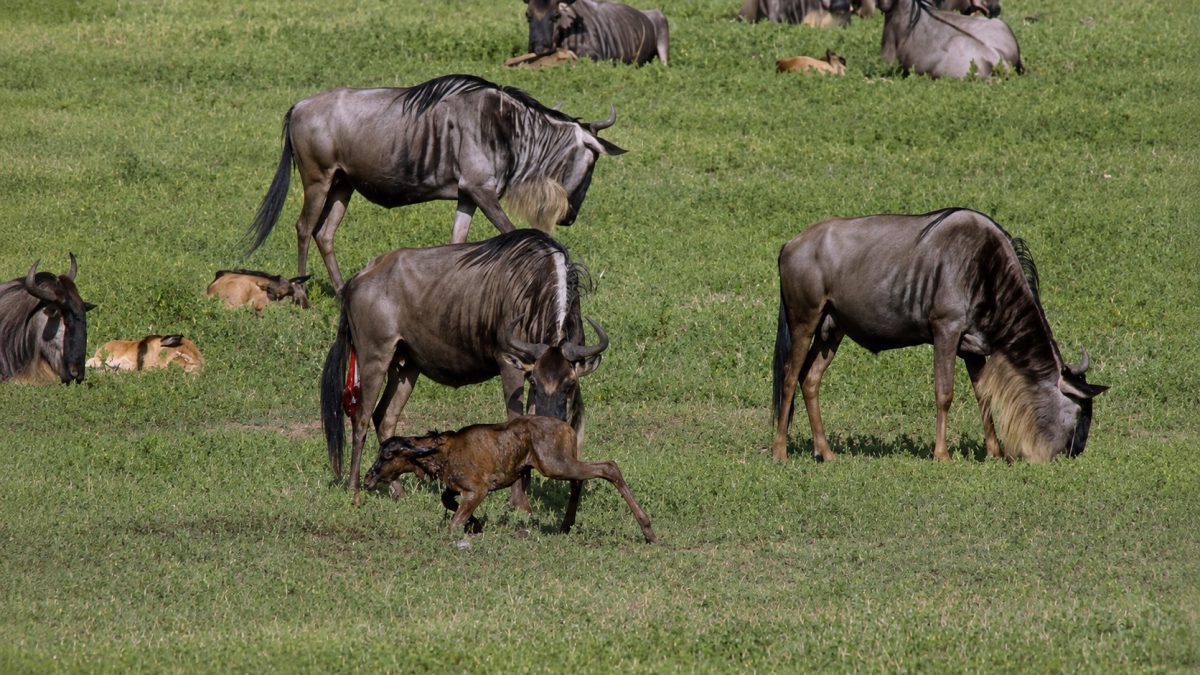
Tanzania in February is not simply another good safari month. It is the season when the southern Serengeti becomes a vast nursery. Wildebeest spread across the short-grass plains, many thousands of calves arrive over the wider calving period, and predators take advantage of an extraordinary concentration of vulnerable prey.
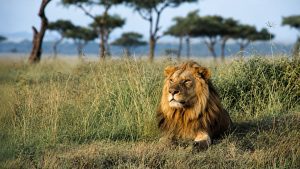
The result is a safari built around life, movement and uncertainty rather than a checklist. You may watch a calf find its feet, a cheetah scanning the plains or herds flowing around the vehicle. You may also spend a quiet hour with giraffes, birds or a lion asleep in the grass. February rewards travellers who want to understand an ecosystem, not those expecting nature to perform to a timetable.
We have planned Tanzania safaris since 1989, and February repeatedly demonstrates why the words “Serengeti accommodation” are not specific enough. A camp in the central Serengeti can be several valuable hours from the southern calving grounds. The right location, a realistic number of nights and a patient driver-guide matter more than adding extra parks to an already crowded itinerary.
Who should visit Tanzania in February?
| February is especially good for | It may be less suitable if you want |
|---|---|
| Great Migration calving-season wildlife | The dry, golden appearance of August and September |
| Big-cat behaviour and patient observation | A cheap last-minute stay near the migration |
| Green landscapes and dramatic photography | Completely rain-free conditions |
| A safari followed by a hot Zanzibar break | Empty game-viewing areas around headline sightings |
| A generally favourable Kilimanjaro window | Cool daytime temperatures at lower elevations |
The real reason February is special
Most Great Migration photographs show a river crossing, but the migration is a continuous search for water and nutritious grass. By February, the southern plains have commonly been renewed by seasonal rain. Pregnant wildebeest gather around this fresh grazing, and the main calving period is usually underway.
Births are concentrated to improve survival through safety in numbers. That abundance also draws lions, cheetahs, hyenas and other predators. The experience is dramatic, but it is not guaranteed that you will witness a birth or hunt. These events happen quickly and across an enormous area.
A better expectation is to see the wider story: adults grazing while calves rest beside them, predators conserving energy, vultures circling, jackals moving through the grass and storms rebuilding the landscape that supports the herds. This is what makes February different from a standard wildlife-viewing holiday.
Where is the Great Migration in February?
The migration is usually spread across the southern Serengeti ecosystem and the Ndutu plains during February. “Usually” matters. Rainfall determines where good grazing develops, so the herds may favour different parts of the plains from one week or year to another.
Ndutu lies within the wider Ngorongoro Conservation Area beside the southern Serengeti. The landscape includes open plains, woodland and seasonal marshes, providing valuable habitat variety. Camps on the Serengeti side can also be well positioned, but names alone can be misleading. The exact coordinates and access route deserve attention before booking.
Central Serengeti, often called Seronera, remains excellent for resident wildlife and is a natural complement to the south. It should not be sold as if it were beside every February herd. Splitting the stay between the southern plains and central Serengeti can protect the safari from changing migration locations and broaden the range of habitats.
Ndutu, southern Serengeti or central Serengeti?
| Area | Why include it in February | Planning consideration |
|---|---|---|
| Ndutu and adjoining plains | Close to the core calving-season landscape in many years | Demand is high and camp position should be checked carefully |
| Southern Serengeti | Access to short-grass plains and possible large herds | Wildlife distribution changes with local rain |
| Central Serengeti | Strong resident predators, kopjes and riverine habitat | Not a substitute for a properly located southern stay |
For most migration-focused trips, we recommend at least three nights in a well-chosen southern base. Two nights allow only one full day between transfers. Four nights create more freedom to follow current sightings without treating every game drive as a race. Adding central Serengeti makes sense when the overall trip is long enough to enjoy both areas.
What February game drives actually feel like
The plains can appear calm until a guide notices a cheetah above the grass. Busy moments are real, yet the wider area often offers room when a guide is willing to leave a crowded scene. Longer stays also allow time to observe behaviour instead of chasing every radio message.
Predation can be emotionally difficult to watch. Tell your guide if you prefer to move. Vehicles should never block animals, crowd a hunt or separate a mother from her young in pursuit of a photograph.
February weather in Tanzania
February is warm and often falls within the shorter dry interval between the short rains and the long rains. Occasional showers remain possible, and they are essential to maintaining the southern plains. A storm can be local, intense and brief, leaving another part of the ecosystem dry.
Afternoons may be hot, while dawn in an open vehicle and the Ngorongoro highlands can feel cool. Local rain can make tracks muddy, so route choice and driving skill matter. Bring a compact waterproof jacket and protect camera equipment, but do not pack as if every day will be wet.
Beyond the calving grounds
Ngorongoro Crater fits naturally between Arusha and the southern plains, adding resident wildlife and a dramatic enclosed landscape. Tarangire offers elephants, baobabs and rich birdlife, although animals are more dispersed than in the dry season. Include these parks for habitat variety, but do not sacrifice a full southern Serengeti day when calving is the purpose of the trip.
Is February good for Zanzibar?
February is one of the stronger months for a Zanzibar extension. Expect hot conditions, warm sea temperatures and many bright days, with an occasional shower still possible. The safari should usually come first, allowing the island to become the slower end of the journey.
Choose the beach according to your habits. Nungwi and Kendwa generally suit travellers who want easier swimming through more of the tidal cycle. The east coast offers long beaches, reef-flat scenery and distinct local character, but the sea can retreat far at low tide. A pool is useful if swimming whenever you like is important.
February heat can be tiring in Stone Town during the middle of the day. Plan walking tours earlier, use shade and leave time for unstructured rest rather than turning the beach extension into another tightly scheduled itinerary.
Climbing Kilimanjaro in February
February is within a generally favourable Kilimanjaro climbing window. Lower elevations are comparatively warm and clearer periods are possible, but mountain weather remains unpredictable. Rain can fall in the forest, and summit night is cold in every month.
The date should never take priority over acclimatisation. A longer route, measured pace, trained crew and correct equipment have more influence on the experience than a claim of perfect February weather. Climbers combining the mountain with calving season need enough total days to avoid rushing recovery or shortening the safari.
How far ahead should you book?
February is high demand in the southern Serengeti. Small seasonal camps, family tents and well-located properties can fill many months ahead. Waiting for a bargain may leave you far from the wildlife focus. Flights and Ngorongoro rooms also need coordination, so plan the route as one journey rather than choosing each lodge independently.
A February itinerary that does not waste the month
With seven safari nights, allow three or four nights in the southern plains and use the remainder for Ngorongoro, central Serengeti or Tarangire. With ten or more nights, slow the pace instead of adding every park. Extra southern time improves flexibility, central Serengeti diversifies the wildlife, and four Zanzibar nights provide a comfortable finish.
What to pack for a February safari
- Light, neutral clothing for warm days
- A fleece or jacket for dawn drives and Ngorongoro
- A compact waterproof outer layer
- A hat, sunglasses and high-factor sunscreen
- Closed shoes and lighter footwear for camp
- Water-resistant camera and electronics protection
- Binoculars for every interested traveller, when possible
- Soft-sided luggage suitable for light-aircraft restrictions
February compared with January and March
January in Tanzania brings gathering herds and increasing calving activity, especially later in the month. February is normally the strongest single month for the main calving spectacle. In March, young animals are growing, the herds may begin shifting and the approach of the long rains introduces greater variability.
For other seasons and travel priorities, compare the full year in our best time to visit Tanzania guide.
Plan February around location, not promises
No itinerary can guarantee a birth, a hunt or the exact position of the migration. It can place you in the right ecosystem, allow enough time and give an experienced guide room to respond to conditions. That is the honest advantage of good February planning.
We can match your dates to a suitable southern camp, balance migration time with resident wildlife and add Zanzibar or Kilimanjaro without rushing the journey. Contact us to plan your February Safari Tanzania experience.