What Does Luxury Actually Mean on an African Safari?
October 28, 2026
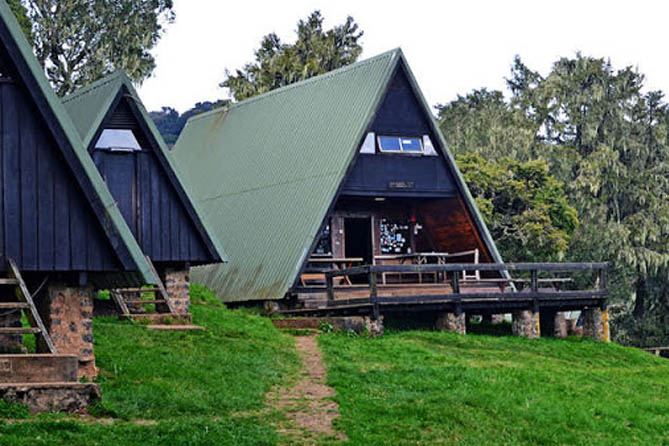
Luxury on an African safari is not mainly about the room. A deep bathtub, a plunge pool and a wine list are pleasant, but they are not why a great safari feels great. What luxury safari accommodation really buys is access: a better position in the wilderness, fewer people around you, more control over your time, and a guide who knows how to use all of it.
This matters because two camps with the same price can deliver very different safaris. One spends your money on what happens inside the tent. The other spends it on what happens outside. Knowing the difference is the most useful thing you can bring to planning your Serengeti safari accommodation.
What Is Luxury Safari Accommodation, Really?
In a city hotel, luxury is mostly about the building. On safari, the building is only the base. On a typical day you leave camp around sunrise and spend most daylight hours in a vehicle. The best moments happen far from your room: a leopard draped over a sausage tree, elephants crossing a dry river bed, lions waking as the light fades.
A useful way to judge any camp is to split what it offers into two groups.
- Facilities: room size, bathrooms, pools, spa, Wi-Fi, food and drink, décor.
- Experience: guiding, location, privacy, time and the activities the land allows.
Facilities are easy to photograph, so they fill brochures. Experience is harder to show, yet it shapes almost everything you remember. Facilities still matter. After a 5.30am start and a long dusty drive, a good bed, a hot shower and good food restore your energy. But they should support the safari, not replace it, and they should be the last thing you upgrade rather than the first.
A Price Detail Most Travellers Never See
Part of every nightly rate inside Serengeti National Park goes to the park, not the camp. Each adult visitor staying overnight in a lodge or tented camp inside the park pays a government concession fee. Under the most recent published TANAPA tariff, it is US$70.80 per night from July to September and US$59 for the rest of the year, including VAT. It is a fixed charge per person, not a share of the room rate, so it does not rise with the price of the camp.
This tells you something useful. The gap between a mid-range camp and a luxury one is almost entirely the camp itself: its staffing, location, size, logistics and guiding. So when you compare prices, ask what that extra money actually buys you in the field. If the answer is mostly furniture, look again.
Guiding: The Luxury Most People Underestimate
A skilled guide is the single biggest upgrade on any safari. Good guides read tracks, alarm calls and animal behaviour. They know when to wait at a sighting and when to leave a crowd of vehicles to search somewhere quieter. They also position the vehicle for the light, which matters if photography is part of your trip.
Continuity matters too. Some camps rotate resident guides from drive to drive. Others keep you with one guide for the whole trip. A guide who stays with you learns what you have seen and what you still hope to find, so each day builds on the last.
At Roy Safaris, our guides are full-time staff, most with more than ten years of experience, and they drive our own fleet of custom-built safari vehicles. The quality of your guiding does not depend on who happens to be free that week. You can read more on our why travel with Roy Safaris page.
Your Vehicle Is Your Real Room
You will likely spend more waking hours in the vehicle than in your tent, so it deserves the attention most people give to the bedroom. In Tanzania’s national parks, most safari vehicles are closed 4x4s with a pop-up roof for viewing and photography.
The details that matter are simple. Does everyone get a window seat? How many people share the vehicle? Is there space for a camera bag, charging points and a cool box of drinks? A comfortable, uncrowded vehicle on a ten-hour Serengeti day is worth more than a larger bathroom you barely use.
Location: Where the Camp Sits Changes the Whole Day
The Serengeti is huge, and wildlife spreads across it unevenly through the year. A camp well placed for the season can put you among the action minutes after leaving. A camp in the wrong area can mean long drives every morning before anything is worth stopping for.
Seasonal mobile camps earn their reputation here. Many move during the year to stay closer to the Great Migration, which follows the rains. That does not guarantee a river crossing or a hunt, because nothing in the wild runs to a schedule. But it does raise your chances by cutting the distance between your bed and the herds.
The same logic applies at Ngorongoro. A lodge on the crater rim lets you drive down soon after the descent gate opens at 6am. Day visitors staying in Karatu usually reach the gate an hour or so later, and those driving from Arusha arrive later still. Those quiet early hours on the crater floor are a form of luxury no room upgrade can buy.
Time and Pace: The Luxury Nobody Advertises
The most underrated luxury on safari is control over your time. On a shared vehicle you follow the group. On a private vehicle you can stay with a lion pride for two hours, take a picnic breakfast and keep driving, or head back early when you are tired. For families with children, that flexibility can matter more than any upgrade to the room.
Pace matters just as much. Every move between camps costs around half a day in packing, driving or flying, and settling in again. An expensive safari can still feel exhausting if it changes camps every night. Two or three nights in each place, with fewer stops overall, usually feels far more luxurious than squeezing in one more famous name. An extra night is often worth more than an extra destination.
Privacy: The Quiet Luxury of Fewer People
Many travellers expect safari to feel remote, then find themselves at a popular sighting with several vehicles around one cat. Inside Serengeti National Park, vehicles must stay on authorised tracks, and a good sighting can draw a crowd quickly. A small camp cannot control who else turns up.
What a camp can control is how crowded it feels at home. Large lodges may host well over a hundred guests, with buffet meals and busy pools. A boutique safari camp might have eight to twenty guests, where staff learn your name and the evening sounds come from the bush, not the bar. In a tented camp you will hear lions calling and hyenas whooping at night, and staff walk you to your tent after dark. For many people, that is the moment safari luxury finally makes sense.
Park Rules Versus Private Concessions
Where your camp sits also decides what you are allowed to do. In Serengeti National Park, game drives stay on designated tracks, night drives are not permitted, and walking is limited to ranger-led outings in approved areas.
Private concessions next to the park, such as Grumeti in the western corridor or Mwiba in the south, work differently. With far fewer beds across a large area, they can offer guided walks, night drives and, in some areas, careful off-road driving to reach a sighting. The trade-off is less of the classic open plains that make the Serengeti famous.
Kenya’s Maasai Mara conservancies show how far the low-density idea can go. Olare Motorogi, for example, caps its beds at 94 across about 140 square kilometres, roughly one game vehicle for every 2,100 acres. Because the Mara borders the Serengeti, a combined trip can pair the scale of Tanzania’s park with the privacy of a Kenyan conservancy. Roy Safaris plans Kenya safaris as well as Tanzania, and books both national park camps and private concession camps.
How Different Accommodation Styles Compare
| Style | What it does best | What to watch for | Best for |
|---|---|---|---|
| Large luxury lodge | Solid comfort, pools, reliable facilities, often good value | Busier feel; fixed location whatever the season | Families who want space and amenities |
| Boutique safari camp | Intimacy, personal service, closeness to the bush | Fewer amenities; shared dining at some camps | Couples and travellers who want quiet |
| Seasonal mobile camp | Placed near the migration as it moves | Simpler build; dates matter as camps relocate | Migration seekers and photographers |
| Private concession camp | Low density, walks and night drives where allowed | Higher cost; fewer classic open-plain views | Repeat visitors and anyone wanting more than game drives |
| Exclusive-use house or villa | Your own staff, guide, vehicle and schedule | Highest cost; best value with a full group | Multi-generation families and friend groups |
Where Luxury Money Is Often Wasted, and Where to Spend It
Some expensive features add little to a safari. A private pool sounds lovely, but on a full safari schedule you may only use it in the midday heat. A huge room is nice, but you will mostly be there to sleep.
The better approach is to spend on what shapes your days in the field: the right location for the season, a private vehicle if your budget allows, a guide you trust and fewer camp changes. On a mixed route, splurge on one standout camp where you stay longest and keep other stops simpler. It is also worth adding one special experience, such as a balloon safari over the Serengeti at dawn, rather than a bigger bathroom.
Timing can be a quiet upgrade too. In the green season, many camps lower their rates, the park’s concession fee is at its lower level, and there are fewer vehicles around. The same camp can feel more exclusive for less money, as long as you accept some afternoon rain.
Questions to Ask Before You Book a Luxury Camp
- Is the camp in a good wildlife area for my travel dates?
- How many guests does it hold, and how many vehicles go out each morning?
- Will I have one guide throughout, and is a private vehicle included?
- Is it inside the national park or in a private concession, and what does that allow?
- How far is it from the nearest airstrip or my next stop?
The Verdict
Luxury on an African safari means having the wilderness on better terms. It is a guide who reads the land well, a camp placed where the animals are, fewer people around you, time that belongs to you, and a pace that lets each place sink in. Facilities are the finishing touch, not the foundation.
So judge a camp by what it changes outside the tent. A boutique safari camp in the right place, with a strong guide and room to breathe, will usually give you a richer safari than a grand lodge in the wrong spot. If that kind of luxury is not for you, and a big pool and a lively bar matter more, that is a fair choice too. Just make it knowingly.
The right mix of camps depends on your dates, your route and what you most want to see. Explore our Tanzania safari itineraries or ask us to personalise your safari around the kind of luxury that matters to you.