Full-Day Game Drive or Split Drives: Which Is Better?
October 2, 2026
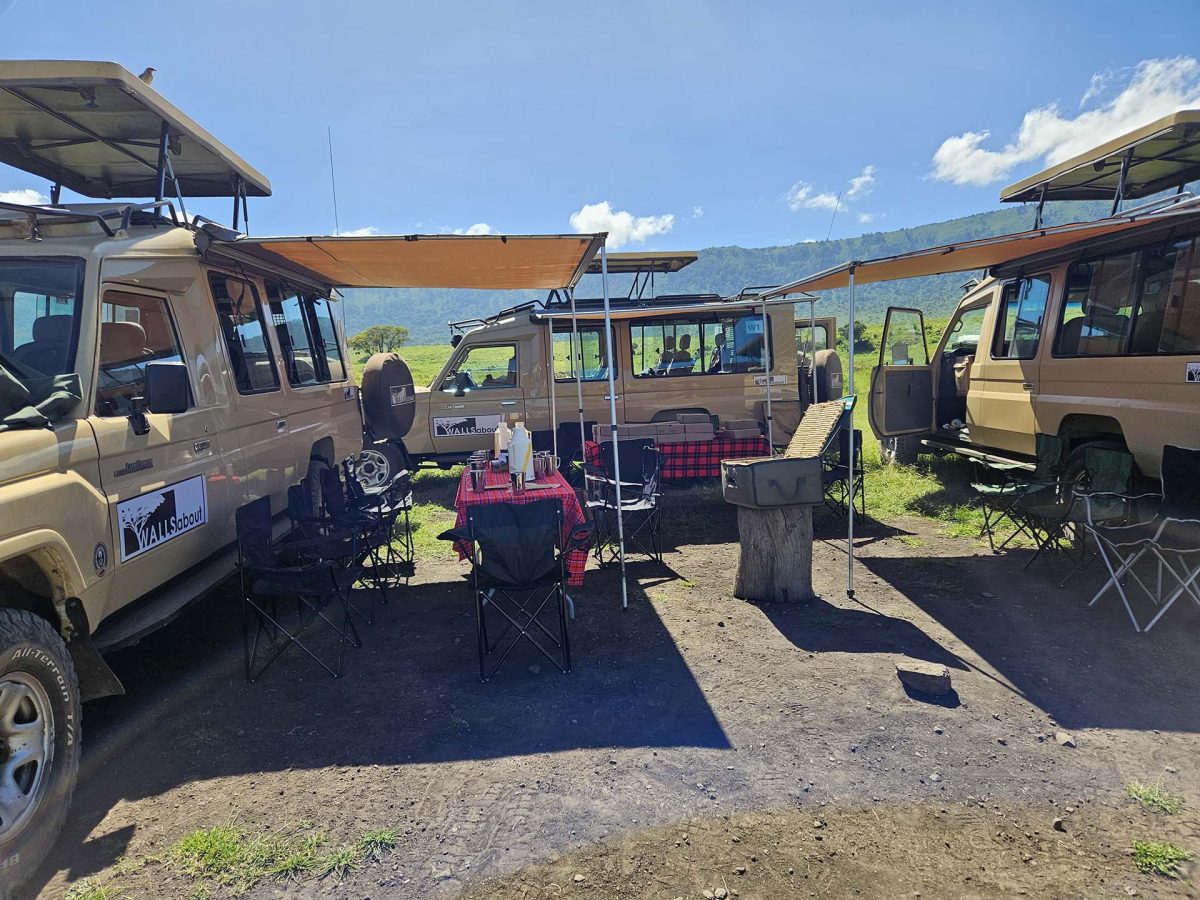
At breakfast, the guide asks a question that sounds simple: would you like to take a picnic lunch and remain in the park, or return to camp after the morning drive?
The debate over a full-day game drive vs morning and afternoon drives is not really about how many hours you want to spend looking for animals. It is about location, energy, distance and whether returning to camp improves the day or interrupts it.
A full-day drive can take you deeper into a wildlife area without watching the clock. Split drives concentrate your effort into the cooler morning and late-afternoon hours, with lunch and rest in between.
Neither is universally better. The right answer can even change from one day to the next during the same safari.
What counts as a full-day game drive?
A full-day game drive usually begins in the morning and continues until the late afternoon. Depending on the destination and itinerary, you might leave before sunrise with breakfast and lunch packed, or eat breakfast at camp and depart slightly later.
Lunch is normally taken at a designated picnic site or another place where leaving the vehicle is permitted. The drive then continues through the afternoon before returning to camp for a shower, dinner and sleep.
Full day does not have to mean twelve continuous hours of driving. There may be long stops at sightings, a leisurely picnic and quiet periods beside a river, kopje or waterhole.
The defining feature is that the vehicle does not return to camp in the middle of the day.
What are split game drives?
A split schedule normally includes an early morning drive followed by a return to camp for breakfast, brunch or lunch. Guests rest during the warmer part of the day and leave again in the mid to late afternoon.
A typical rhythm might look like this:
- 5:30 a.m. wake-up and a hot drink
- 6:00 a.m. morning departure
- 10:00 or 11:00 a.m. return to camp
- Lunch and a midday rest
- 3:30 or 4:00 p.m. afternoon departure
- Return around sunset
The actual times depend on the park, season, camp location and applicable operating rules.
Our first-time Tanzania safari guide describes this classic safari rhythm in more detail. It works particularly well when the accommodation is close to the main wildlife area.
The short answer: camp location often decides
If returning to camp takes fifteen or twenty minutes, split drives can be wonderfully efficient. You enjoy the strongest morning hours, eat a proper lunch, rest and return as the afternoon begins to cool.
If the camp is ninety minutes from the area you are exploring, returning for lunch could consume three hours of the day. In that situation, a full-day drive is normally the better choice.
The calculation is not simply distance from camp to the park gate. It is the time from camp to the actual wildlife area you want to visit.
A property can be inside the Serengeti and still be far from a particular migration concentration, river system or predator territory. Before deciding on split drives, ask how long a realistic return journey will take.
Full-day and split drives compared
| Consideration | Full-day game drive | Split game drives |
|---|---|---|
| Wildlife range | Can explore areas farther from camp | Usually concentrates on areas near the property |
| Rest | Rest takes place in or beside the vehicle | Allows a shower, nap, pool or time in the room |
| Lunch | Packed picnic in the field | Hot lunch at the lodge or camp |
| Best for | Photographers, distant wildlife areas and short safaris | Families, longer trips and travellers who value downtime |
| Main drawback | Fatigue from remaining in the vehicle all day | Time can be lost driving back and forth |
| Flexibility | Stay with a sighting or change areas without returning | Adjust the length of each drive around energy levels |
Why choose a full-day game drive?
You can travel farther without worrying about lunch
A full-day drive allows the guide to explore beyond the area immediately surrounding camp. This can be important in the Serengeti, where wildlife may be spread across a large region.
If the morning produces information about wild dogs, a leopard or migrating herds in a distant area, the guide can change direction without calculating whether you will still reach camp in time for lunch.
You also avoid retracing the same route in the morning and afternoon.
You can stay when something is developing
Some wildlife encounters reward waiting. Lions may be watching prey, a leopard may be considering descending from a tree or wildebeest may be gathering near a river.
On a split schedule, the need to return for lunch can end the sighting before the behaviour changes. During a full day, the decision can be based on the animals rather than the meal timetable.
This is particularly valuable for photographers and travellers who enjoy observing behaviour rather than collecting quick sightings of different species.
A full day makes better use of a distant camp
If accommodation lies far from the day’s target area, returning at midday makes little practical sense. A picnic lunch preserves both fuel and wildlife-viewing time.
This is one reason location should be considered when selecting Serengeti safari accommodation. A beautiful lodge is less useful if every split drive begins and ends with a long commute.
It can improve a short safari
If you have only one complete day in a park, a full-day drive often provides the most freedom. You can explore several habitats and respond to wildlife reports without needing to remain close to camp.
A short itinerary does not have enough spare days to assume that tomorrow will produce another opportunity.
The limitations of a full-day safari drive
The vehicle eventually feels smaller
Even an excellent safari vehicle is still a vehicle. After several hours, passengers begin shifting position, stretching their legs at permitted stops and looking forward to a proper shower.
Heat, dust, photography equipment and rough roads add to the fatigue. The excitement of the morning can hide the physical strain until late afternoon.
Full-day drives on several consecutive days can produce safari fatigue. By day four or five, someone who initially wanted every possible minute in the park may struggle to concentrate on another distant antelope.
A picnic is not the same as a lodge lunch
Safari lunch boxes have improved considerably and may include salads, sandwiches, fruit, pastries and other freshly prepared items. Even so, a picnic cannot always compete with a hot meal and cold drink served at the lodge.
Designated picnic sites may be busy, particularly in popular parks and during peak season. Facilities are functional rather than luxurious.
For some travellers, eating outside while watching zebras in the distance is one of the best parts of the day. Others would rather have a proper table, wash their face and sit somewhere without dust.
Midday wildlife can be quiet
As temperatures rise, many predators rest in shade. Lions can become impressively inactive, and leopards may disappear into trees or dense vegetation.
That does not mean the park becomes empty. Elephants may move towards water, hippos can become restless, birds remain active and an unexpected hunt can happen at any hour.
The quieter midday period can also be useful for travelling between wildlife areas without sacrificing the stronger morning and evening windows.
Why split drives work so well
You concentrate effort around cooler hours
Early mornings and late afternoons often provide softer light, cooler temperatures and more animal movement. Split drives place you in the field during both periods while leaving the hottest hours for rest.
This rhythm can be especially effective when your camp is already positioned near productive habitat.
You use the accommodation you paid for
A lodge with a beautiful pool, private deck, spa and excellent lunch has limited value if you leave before sunrise and return after sunset every day.
A midday break gives you time to enjoy the room, watch wildlife from camp, charge equipment, read, swim or sleep.
This should not be dismissed as wasting safari time. Rest can improve the quality of the afternoon drive, particularly on a longer itinerary.
The schedule suits many families
Children may enjoy wildlife intensely for several hours and then lose interest with equal intensity. Returning to camp allows them to eat, move around and reset before the afternoon outing.
A private vehicle adds another level of flexibility. One afternoon can be shortened without negotiating with unrelated guests.
Families should still consider the age and personality of each child. Some children happily remain in the vehicle all day, while others need a pool and open space by lunchtime.
It can protect the second half of the safari
A safari is not improved if the group is exhausted halfway through it. Split drives allow sleep, hydration and physical recovery without giving up the important dawn and sunset periods.
This becomes increasingly useful on itineraries lasting eight, ten or twelve days.
The hidden disadvantage of split drives
The return to camp is not instantaneous. If the morning drive finishes an hour from the lodge, you spend an hour returning and another hour driving out later.
That creates two hours of repeated travel before considering the wildlife roads you actually wanted to explore.
A split schedule may also restrict the afternoon range because the vehicle must return before park or camp operating limits. The guide cannot travel too far in the final hours of daylight.
Before selecting split drives, ask:
- How far is the camp from the main game-viewing area?
- Will we repeat the same road twice?
- How much time will we actually have at camp?
- What time does the afternoon drive leave?
- Can we take a packed lunch if the morning becomes productive?
A private vehicle changes the answer
With a private vehicle and guide, full day and split day do not need to be fixed categories.
You can leave early, take breakfast in the bush and return at 1:00 p.m. rather than sunset. You can plan a split day but remain out when an exceptional sighting develops. You can also start later after a demanding previous day.
Shared game-drive packages are normally less flexible because several guests must follow the same schedule. The camp may operate set morning and afternoon departures, with fixed return times.
Confirm the arrangement before booking. A luxury lodge does not automatically include a private vehicle.

Photographers may prefer full days, but not always
A full-day drive gives photographers time to wait, revisit a subject and travel towards reports from another part of the park. Camera equipment can remain organised in the vehicle rather than being packed and unpacked twice.
However, split drives also offer advantages. Midday light can be harsh, while the lodge break provides time to charge batteries, clean dust from equipment and back up photographs before returning for golden-hour conditions.
The deciding factor is often the subject. A photographer following a pride, crossing or specific animal may want to remain out. Someone focused on light and landscapes may prefer two concentrated sessions.
What works best during the Great Migration?
Migration-focused days often favour staying out longer because the herds and potential action may be far from camp.
River crossings are especially unpredictable. Returning for lunch because wildebeest appear inactive can mean missing a crossing that begins shortly afterwards. At the same time, waiting all day does not guarantee anything will happen.
A route such as the Wonders of the Migration safari includes both focused wildlife days and transfers between Serengeti regions. The daily schedule should respond to herd location rather than follow the same formula every morning.
During calving season in Ndutu, the decision may also depend on how close the camp is to the plains being used by the herds.
Ngorongoro Crater is a different calculation
A Ngorongoro Crater visit is usually planned as one continuous excursion rather than separate morning and afternoon drives.
Descending to the crater floor, exploring its different habitats, stopping for a picnic and ascending again creates a natural single outing. Returning to a lodge outside the crater for lunch and descending again would add considerable time and may involve additional arrangements and costs.
An early descent is normally valuable because it places you on the crater floor before the busiest part of the day. The drive can then continue through the morning and early afternoon before returning to the highlands.
Try alternating instead of choosing one format
The best safari schedule often uses both.
You might take a full-day drive on the first complete day in central Serengeti, then use split drives the following day. In northern Serengeti, you might stay out all day when searching around the Mara River, then plan a slower morning after a particularly long outing.
An itinerary such as the eight-day northern Tanzania driving safari can include early morning drives followed by lunch and rest at camp, while still allowing the schedule to change when wildlife conditions justify remaining out.
Alternating also prevents an expensive safari from becoming an endurance competition.
Who should choose what?
Choose a full-day game drive when:
- The target wildlife area is far from camp.
- You have limited time in the park.
- You are following migration herds or waiting for specific behaviour.
- Photography is a major priority.
- You prefer wildlife time over lodge facilities.
- Everyone in the vehicle is comfortable with a long day.
Choose split drives when:
- The camp is close to productive wildlife areas.
- You are travelling with children or older relatives.
- You have several consecutive safari days.
- You value a hot lunch, shower, pool or midday sleep.
- Heat and long hours in the vehicle affect your energy.
- You want two focused drives in softer light.
The verdict: do not decide from the brochure
If returning to camp costs several hours, take a picnic and remain in the field. If the camp is well positioned and the safari lasts more than a few days, split drives can keep everyone rested without sacrificing the strongest wildlife hours.
Most importantly, do not lock every day into the same format before you know what is happening on the ground. Discuss the next day’s plan with your guide each evening. Consider the wildlife reports, intended destination, weather and how the group feels.
A private safari gives you the freedom to call a full day at 2:00 p.m., extend a morning drive through lunch or skip an afternoon because the morning was already exceptional.
Browse our Tanzania safari itineraries to compare different routes and game-drive rhythms. We can then adjust your Safari Tanzania experience around wildlife priorities, camp location and the pace you will actually enjoy.