Crater Rim or Forest Retreat: Where Should You Stay in Ngorongoro?
September 10, 2026
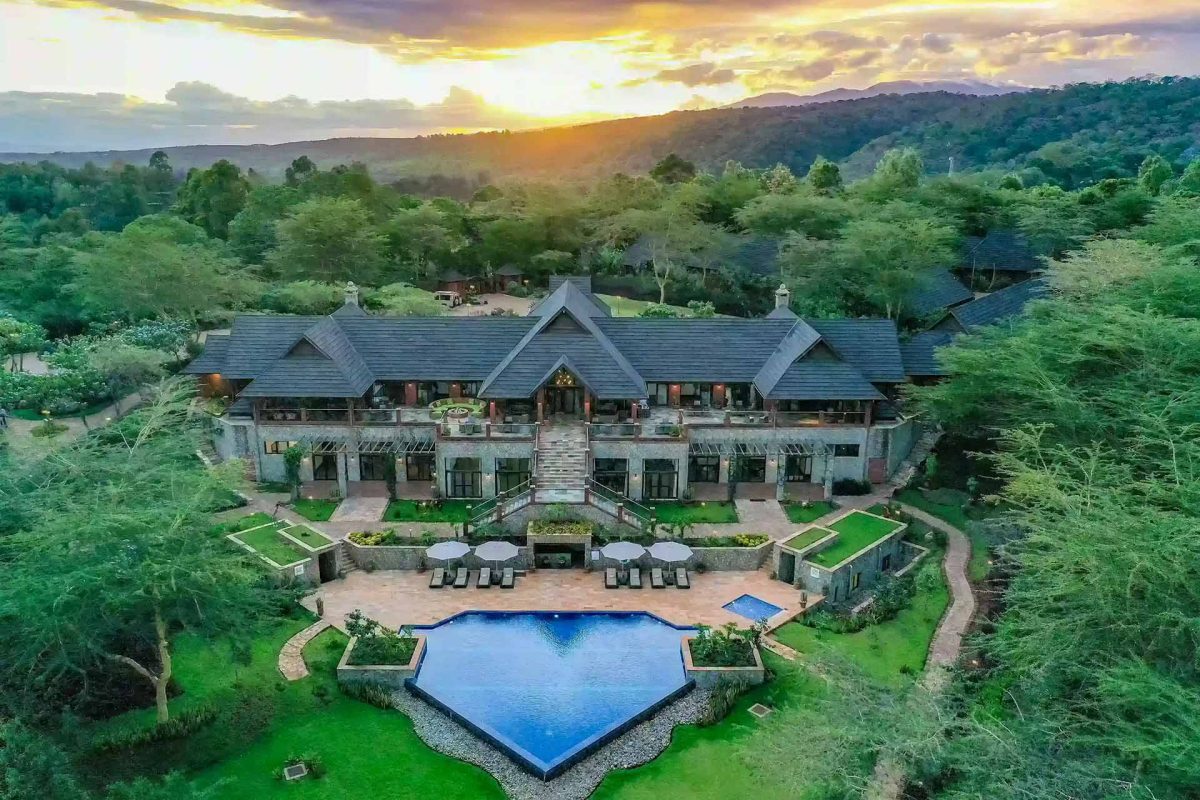
There is no single best place to stay in Ngorongoro. There is a best location for the way you want to experience it.
A crater-rim lodge can put the caldera outside your window and shorten the journey towards the crater floor. A forest retreat near Karatu gives you gardens, a pool and somewhere to slow down after several days in a safari vehicle. Move farther into the highlands and the experience becomes less about one famous game drive and more about walking, volcanic landscapes and Maasai country.
The right lodge therefore depends on more than budget. It depends on whether Ngorongoro is a one-night safari stop, a honeymoon pause, a family base or one part of a longer exploration of northern Tanzania.
Where should you stay in Ngorongoro?
For the best balance of comfort, space and value, our first recommendation is The Retreat at Ngorongoro. Choose Entamanu for a remote crater-rim atmosphere, Ngorongoro Lodge Meliá Collection for polished crater-view luxury, Lemala or Lion’s Paw for early eastern access, and Gibb’s Farm for food, gardens and a longer stay around Karatu.
| Best for | Our recommendation | Location style |
|---|---|---|
| Best overall | The Retreat at Ngorongoro | Forested Karatu highlands |
| Honeymoons | The Retreat or Entamanu | Garden retreat or intimate rim camp |
| Crater views | Ngorongoro Lodge Meliá Collection | Crater rim |
| Early crater descent | Lemala Ngorongoro or Lion’s Paw | Eastern rim |
| Families | The Retreat or Neptune Ngorongoro | Spacious lodge grounds |
| Food and slow travel | Gibb’s Farm | Working farm near Karatu |
| Remote highland exploration | The Highlands | Northern Ngorongoro highlands |
| More moderate pricing | Ngorongoro Farm House | Coffee farm outside the conservation area |
1. The Retreat at Ngorongoro: best overall
The Retreat at Ngorongoro is our first recommendation for travellers who want Ngorongoro to be more than somewhere they sleep before an early crater descent.
The property sits in the green highlands near Karatu, with spacious cottages arranged through forested gardens. A pool, spa, gym and walking space make it particularly useful after several days of game drives. The cottages have fireplaces for cool evenings, and the grounds provide privacy without isolating guests inside their rooms.
This balance works for couples, families and first-time safari visitors. Honeymooners have room to disappear for an afternoon, while families can use the pool and grounds instead of asking children to move directly from a game-drive vehicle to a quiet crater-rim lounge.
The compromise is location. The Retreat is not directly on the crater rim, so it cannot offer a crater view from the bedroom and requires more driving before the descent. With two nights, that trade feels reasonable because the lodge becomes part of the experience. With only one night and an overriding desire to enter the crater as early as possible, an eastern-rim camp may be more efficient.
Choose it for: honeymoons, families, spa time, gardens, a pool and a slower two-night stay.
2. Entamanu Ngorongoro: best intimate crater-rim camp
Entamanu occupies a remote northwestern rim position, looking into the crater in one direction and towards the Serengeti in the other. Its timber, glass and canvas cottages feel connected to the landscape, with locally made interiors and thoughtful protection from the highland weather.
This is the choice for travellers who value a sense of place more than resort facilities. The camp is small, personal and suited to couples who would rather take a guided rim walk than spend the afternoon beside a large swimming pool. Its setting also makes Ngorongoro feel like a living highland landscape instead of a single famous viewpoint.
Entamanu can be cold, and the wind is particularly noticeable during parts of the dry season. The rooms are designed to remain cosy, but anyone imagining warm evenings outside should understand the reality of sleeping at altitude.
Choose it for: wilderness, privacy, crater-rim scenery, walking and an intimate safari atmosphere.
3. Ngorongoro Lodge Meliá Collection: best polished crater-view luxury
Ngorongoro Lodge Meliá Collection places the crater view at the centre of a contemporary luxury hotel experience. Large windows, terraces, substantial suites and polished public spaces make it one of the strongest choices for travellers who want the accommodation to feel unmistakably high-end.
The attraction is not only proximity to the crater. It is the ability to continue experiencing the landscape after the game drive, watching changing light over the caldera from the room, restaurant or terrace.
Meliá is larger and more hotel-like than Entamanu or a small tented camp. That brings extensive facilities and consistency, but it can feel less intimate. Some travellers will prefer that sophistication; others will find a smaller property more emotionally connected to safari.
Choose it for: suites, contemporary design, crater views and international-hotel polish.
4. Laba Laba Ngorongoro Lodge: best newer design-led stay
Laba Laba Ngorongoro Lodge occupies the former Rhino Lodge site inside the Ngorongoro Conservation Area. Contemporary African art, handcrafted furniture and warm interiors give it a strong visual identity, while its forested surroundings soften the exposed feeling of some rim properties.
Its location works well for travellers who want to remain within the conservation area without choosing a large international hotel. It is also one of the newer luxury options, which gives the property a sense of freshness.
The shorter operating history is the main consideration. Recent information about room categories, service and access should be checked when booking. That matters less as the lodge develops a record across more seasons, but it remains worth confirming rather than relying on descriptions written around its opening.
Choose it for: contemporary African design, a newer property and conservation-area access.
5. Lemala Ngorongoro: best for an early eastern descent
Lemala Ngorongoro is a small tented camp in an acacia forest near the eastern access road. Its practical advantage is the ability to descend from the quieter eastern side and reach the crater floor before many vehicles arriving through the busier western route.
That makes Lemala particularly strong for photographers, wildlife-first travellers and short itineraries where every hour matters. The atmosphere is closer to a traditional safari camp than a formal lodge, with canvas accommodation, fireside evenings and an intimate scale.
The location is selected for access and atmosphere rather than a sweeping crater view from every room. Travellers who want marble bathrooms, a spa and a broad choice of facilities will be happier elsewhere.
Choose it for: early crater access, a small tented camp and wildlife-focused itineraries.
6. Ngorongoro Lion’s Paw: best practical location for game drives
Lion’s Paw is also positioned on the eastern rim, close to the descent route. Its appeal is straightforward: less time reaching the crater floor and a better chance of beginning before traffic builds.
The camp combines tented-suite styling with more comfort than a basic mobile camp, making it suitable for travellers who prioritise game viewing without wanting to sacrifice private bathrooms and a warm place to return to.
Like Lemala, it should be chosen for location rather than a long list of resort amenities. It works especially well for one night between the Serengeti and Karatu or as the base for a dawn descent.
Choose it for: efficient crater access, comfortable tented accommodation and a wildlife-first schedule.
7. Ngorongoro Serena Safari Lodge: best established crater-rim lodge
Ngorongoro Serena Safari Lodge is built into the western rim, using stone, timber and low-profile architecture intended to blend into the crater wall. Its rooms face the caldera, giving it one of the most dependable combinations of a crater view and a long-established operating history.
With more rooms than the intimate camps, Serena can accommodate families, groups and travellers who prefer the services of a substantial lodge. It is not the place for complete seclusion, but it can offer stronger value than the newest ultra-luxury rim hotels while retaining the location people imagine when they say they want to stay “at Ngorongoro.”
The western descent route can be busier than the eastern access used by Lemala and Lion’s Paw. A well-timed departure remains important.
Choose it for: an established lodge, crater-facing rooms and a broader range of room configurations.
8. Gibb’s Farm: best for food, gardens and slow travel
Gibb’s Farm sits on the outer slopes between Lake Manyara and Ngorongoro. It is not a crater-rim lodge, but it is one of the region’s most distinctive places to stay.
Individual cottages, mature gardens, farm-to-table food and a working-farm setting encourage guests to stay longer than a single transit night. This is where Ngorongoro can become part of a slower highland journey involving walks, village experiences and time away from the safari vehicle.
Gibb’s Farm is especially appealing to couples, food-focused travellers and families who need a pause between parks. The compromise is the additional journey to the crater entrance and floor.
Choose it for: food, heritage, gardens, private cottages and a two or three-night highland stay.
9. Neptune Ngorongoro Luxury Lodge: best for space and resort facilities
Neptune Ngorongoro sits close to the conservation-area entrance in extensive grounds. Its all-suite accommodation provides considerably more room than many crater camps, supported by a pool, spa, restaurant and forested surroundings.
It works well for families and travellers who want full-service comfort without paying solely for a room on the rim. The location also fits itineraries combining Ngorongoro with Lake Manyara or activities around Karatu.
As with The Retreat, the principal trade is crater views and the earliest possible descent in exchange for space, facilities and a more relaxed lodge environment.
Choose it for: large suites, families, a spa, a pool and proximity to the conservation-area entrance.
10. The Highlands: best for exploring beyond the main crater
The Highlands is set farther north in the Ngorongoro highlands, with distinctive domed suites and a landscape that feels removed from the main crater-rim circuit. It is designed for travellers who want to walk, explore volcanic scenery and engage with the wider highlands rather than treating Ngorongoro as one descent and departure.
From here, longer stays can incorporate areas such as Olmoti and Empakaai alongside the main crater experience. It is an excellent choice for active travellers and repeat safari visitors looking for a different perspective.
The remote location makes less sense for a rushed one-night stop. The Highlands deserves enough time for its activities to justify the journey.
Choose it for: hiking, remote landscapes, Maasai country and a deeper highlands itinerary.
11. Ngorongoro Farm House: best for more moderate pricing
Ngorongoro Farm House provides a large, relaxed base on a coffee farm near Karatu. Rooms are spread through the grounds, and the property offers gardens, a pool and easy access to the wider farming landscape.
It does not attempt to compete with the most exclusive rim lodges. Its advantage is providing comfort, character and useful facilities at a more moderate point in the market. This makes it suitable for families, groups and longer northern-circuit itineraries where spending heavily on every night is unnecessary.
Choose it for: value, gardens, a pool and a comfortable Karatu base.
Should you stay on the crater rim or near Karatu?
Stay on the rim when:
- You have only one night at Ngorongoro
- An early crater descent is the priority
- You want the crater view to form part of the stay
- You enjoy a cooler, atmospheric highland setting
Stay near Karatu when:
- You want a pool, spa or extensive gardens
- You are staying two nights or longer
- You are travelling with children
- You want to combine Ngorongoro with Lake Manyara, farms or cultural activities
- You would rather spend more on space and facilities than on the crater view
Do not assume every rim lodge is equally convenient. Ngorongoro has different access and descent routes. The journey from the property to the planned descent road matters more than whether its marketing description contains the words “crater rim.”
Can you stay inside Ngorongoro Crater?
No visitor lodge is situated on the crater floor. Properties described as being “inside Ngorongoro” are generally within the wider conservation area or positioned around the rim.
This distinction matters when comparing quotations. A lodge inside the conservation area may reduce travel, but it may also involve concession or conservation-area costs that differ from accommodation around Karatu. Ask what fees are included rather than comparing room rates alone.
How many nights should you stay?
One night is sufficient when Ngorongoro is a carefully positioned stop between Tarangire and the Serengeti. Arrive in the afternoon, descend early the next morning and continue after the crater drive.
Two nights create a better pace for couples, families and anyone paying for a lodge they actually want to enjoy. The second night makes room for a relaxed afternoon, a highland activity or a crater drive without packing immediately afterwards.
Three nights make sense at properties such as The Retreat, Gibb’s Farm or The Highlands, where the grounds, walking and surrounding activities form part of the reason for staying. Three nights at a purely functional crater stop may take time away from the Serengeti without adding enough variety.
Does the time of year change where you should stay?
Yes, but it rarely changes the entire recommendation. The crater supports resident wildlife throughout the year. Seasonal differences affect temperature, road conditions, scenery, demand and how much you value being close to the descent.
During the cooler dry-season months, rim properties can be cold and exposed, while Karatu retreats may feel more sheltered. Wetter periods bring green landscapes and the possibility of mist, mud or slower driving. Peak travel periods increase the value of entering early, but they also make the most conveniently located camps harder to secure.
Those differences deserve a separate month-by-month guide. This page should remain focused on accommodation, while our best time to visit Ngorongoro guide compares January through December.
A note on &Beyond Ngorongoro Crater Lodge
&Beyond Ngorongoro Crater Lodge has historically been one of the area’s best-known ultra-luxury properties. It is currently closed for a major rebuild, with reopening information pointing to 2027. It should not be added to an itinerary until its operating date and room availability are confirmed directly.
Once reopened and established, it may return to this list as the choice for highly theatrical, ultra-luxury crater-rim accommodation. Until then, it is a future possibility rather than a dependable current recommendation.
How we would choose
Start with the purpose of the stay. For a honeymoon or restorative break, choose The Retreat. For the strongest small-camp atmosphere, choose Entamanu. For polished crater-view luxury, choose Meliá. For fast eastern access, choose Lemala or Lion’s Paw. For food and several slower days, choose Gibb’s Farm. For a more affordable northern-circuit stop, consider Ngorongoro Farm House.
Then check how the lodge fits the complete route. An excellent property becomes a poor choice if it creates unnecessary backtracking or removes a crucial night from the Serengeti. Read our Ngorongoro Conservation Area guide before deciding how the crater fits between Tanzania’s other northern parks.
We can compare live rates, room categories, access routes and the amount of time each option adds to your itinerary. Contact us to choose where to stay in Ngorongoro as part of a carefully paced Tanzania safari.