The Famous Serengeti Lodge Can Be in the Wrong Place at the Right Time
October 8, 2026
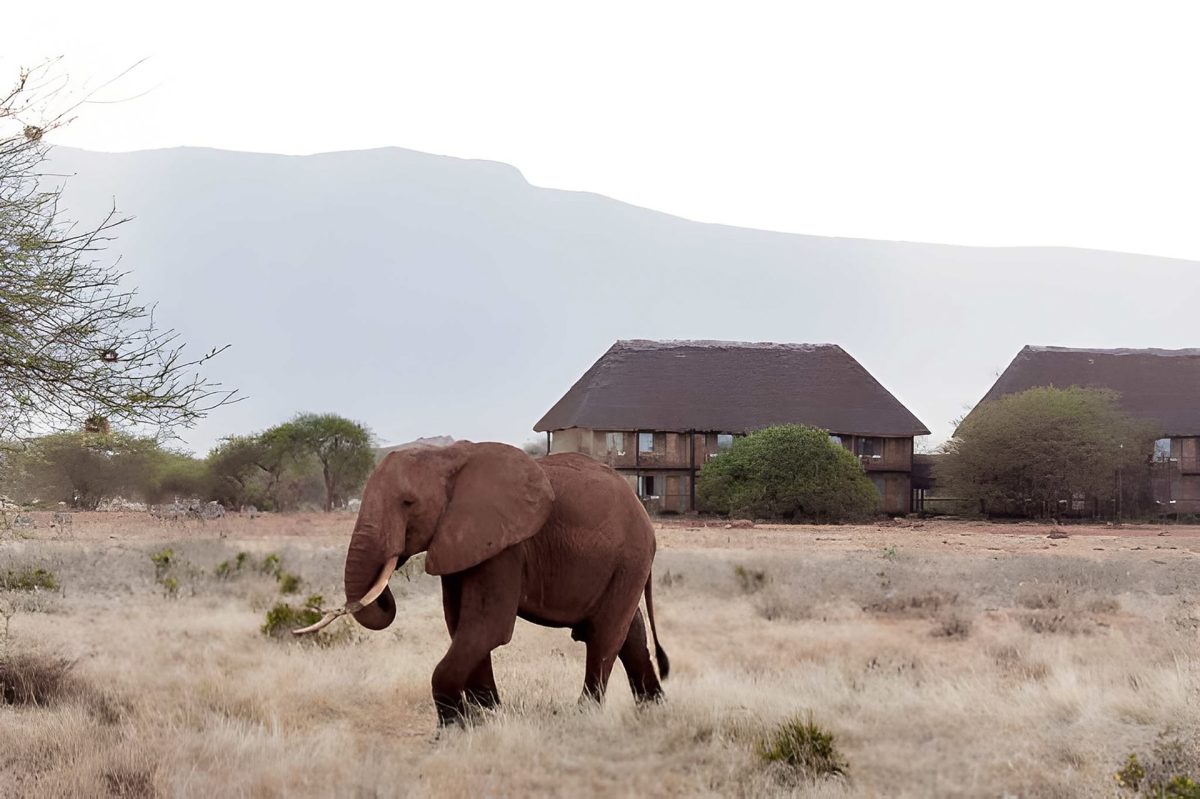
The lodge looks perfect. Its photographs show a terrace over the plains, the reviews are glowing and its name appears on every shortlist. Then you tell your guide you came for the southern calving grounds, and learn that your room is in the central Serengeti. You can still have an excellent safari. You may also spend the mornings you imagined among the herds driving towards them.
This is the quiet problem with booking a famous Serengeti lodge first. “In the Serengeti” sounds specific until you see how far apart its regions are. The right camp depends on what you hope to experience and when you travel.
A great lodge can be in the wrong region
The migrating wildebeest follow rain and fresh grazing across a much wider ecosystem, rather than returning to the same view for your booking dates. In the early part of the year, attention often turns to the southern plains and neighbouring Ndutu for calving. Later, herds may move through central and western areas before many reach the north in the dry season. Their exact position changes from year to year.
A central Serengeti lodge does not become a bad choice in February. Seronera and its surrounding habitats support rewarding resident wildlife, including predators, even when the largest herds are farther south. It becomes the wrong choice only if your main reason for travelling is a southern experience and the daily route cannot give it the time it deserves.
The same applies in reverse. A northern camp can be a sensible base when you want to explore Mara River country, but its river access does little for a traveller more interested in central Serengeti wildlife or a slower first safari.
The cost is paid in daylight
Accommodation listings describe the room, meals and views. They rarely show what it feels like to leave before dawn, drive a long way to your chosen area and repeat the journey to get back for dinner. A distant camp can turn a leisurely game drive into a commute.
Before choosing a property, locate it on a map and ask where the game drives will actually go. Is the wildlife area close enough for an unhurried morning? Does the route depend on difficult tracks after rain? Are you staying two nights, or is one of those days mostly spent arriving or leaving? An attractive nightly rate can lose its appeal when the position consumes your limited time.
There is no single perfect Serengeti address
The answer is not always to chase the herds. If you value big cats, varied sightings and less pressure to reach one seasonal event, a central base can make sense across much of the year. If calving is the priority, look at access to the southern plains or Ndutu during the relevant months. If northern river country is the draw, allow several nights nearby rather than planning one hopeful afternoon. A crossing is never guaranteed.
For a longer trip, two well-chosen bases can give you contrasting habitats without asking one lodge to serve the entire Serengeti. For a short trip, fewer moves may be better. The choice depends on your dates, interests and how much time you can devote to the park.
Start with the Serengeti’s different regions, then look at routes that could fit your trip. Ask where each proposed camp sits, why it suits your month and how long the drive to your main wildlife area is likely to be. A famous name may still win. This time, it will win for the right reason.