Tanzania’s Rainy Season, Region by Region: When It Rains and Whether to Go
November 5, 2026
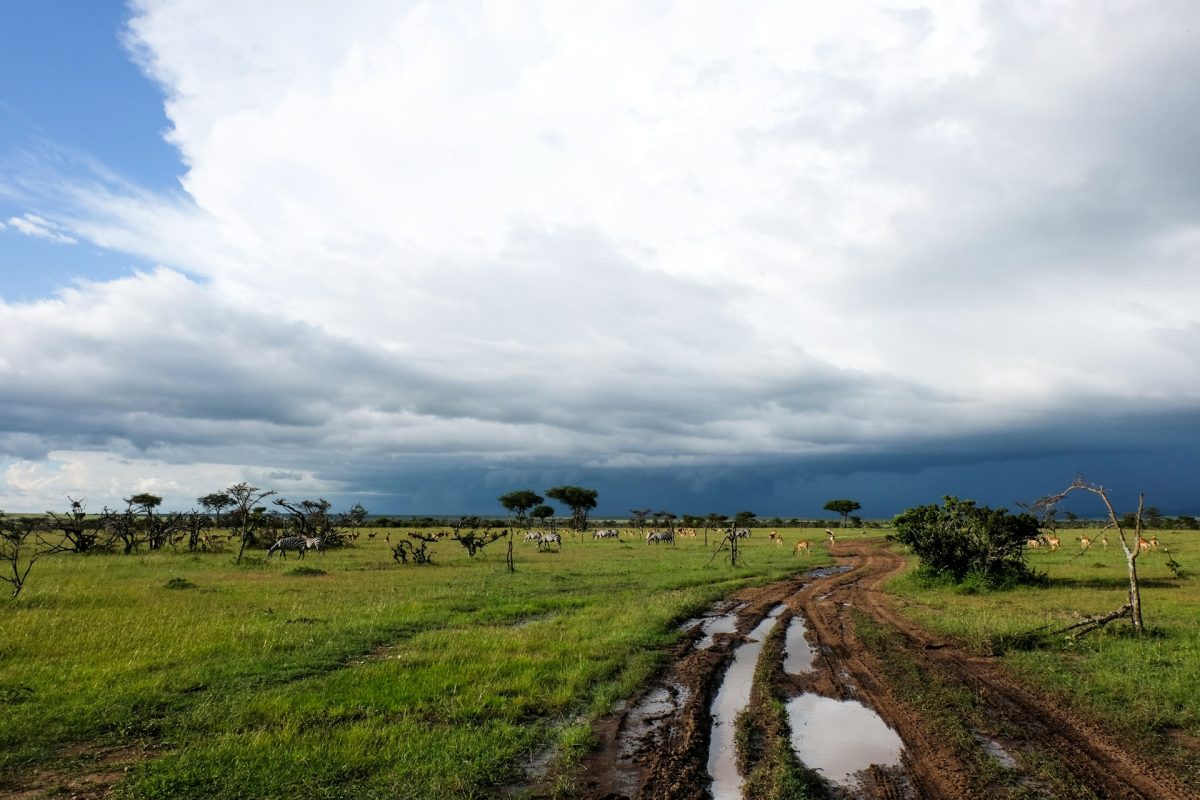
Tanzania has two rainy seasons in the north and on the coast: the short rains, usually November to December, and the long rains, from about mid-March to May, with April the wettest month. The south and west have one longer rainy season, roughly November or December to April. A safari is possible in every one of these months, but the long rains bring muddy roads, closed camps and the lowest prices.
“Rainy season” sounds like one thing. In Tanzania it is several different things depending on where you are, which month you pick and, in 2026/27, how strongly El Niño shapes the season. This guide breaks it down by region and by month, so you can decide whether wet-season travel suits you rather than avoiding it on principle.
>Two rain patterns, not one
Tanzania’s rain depends on latitude. Most visitors only meet the first pattern, but anyone heading south or west needs to know the second.
- Two seasons (bimodal): the northern safari circuit (Serengeti, Ngorongoro, Tarangire, Lake Manyara, Arusha), Kilimanjaro, the coast and Zanzibar. Short rains, called Vuli, from about November to December. Long rains, called Masika, from about mid-March to May.
- One season (unimodal): the southern and western parks, including Ruaha, Nyerere, Mikumi, Katavi and Mahale. One long wet season from about November or December to April, often heaviest from February to April.
So December can be green and showery in the Serengeti while Ruaha is only just starting its wet season, and late May can be drying out in the north while western airstrips are still soft.
>Tanzania rainy season by region and month
| Region | Short rains | Long rains | Driest months |
|---|---|---|---|
| Northern circuit (Serengeti, Ngorongoro, Tarangire) | November to mid-December, usually afternoon showers | Mid-March to May, heaviest in April | Late June to October, plus a short dry spell in January and February |
| Kilimanjaro and Mount Meru | November to December | March to May, the least popular climbing months | January to early March, and late June to October |
| Zanzibar and the coast | November, often brief | Late March to May, with April and May the wettest | June to October, and December to February |
| Southern parks (Ruaha, Nyerere, Mikumi) | One season, roughly December to April | June to October | |
| Western parks (Katavi, Mahale) | One season, roughly November to April, heaviest late in the season | June to October | |
These are typical patterns, not fixed dates. Rains can start a few weeks early or late, and in strong El Niño years the short rains can be heavier and run into January.
W>What the short rains are actually like
The short rains rarely feel like a “rainy season” in the way travellers fear. In most years they arrive as afternoon or evening storms that build over a hot day, pour for an hour or two, then clear. Mornings are often bright. Game drives run as normal, with the roof closed for a while if a storm passes.
The rewards are real. The plains turn green within days, migratory birds arrive from Europe and Asia, dust disappears, and the light after a storm is some of the best of the year for photography. The wildebeest herds start moving south toward the Ndutu area, ready for calving in January and February.
The 2026/27 short rains are the exception to keep an eye on. Tanzania’s weather authority expects a strong El Niño to bring normal to above-normal rain, with November particularly wet and showers possibly continuing into January. Our El Niño guide for Tanzania safaris is updated as each new forecast comes out.
Wha>What the long rains are actually like
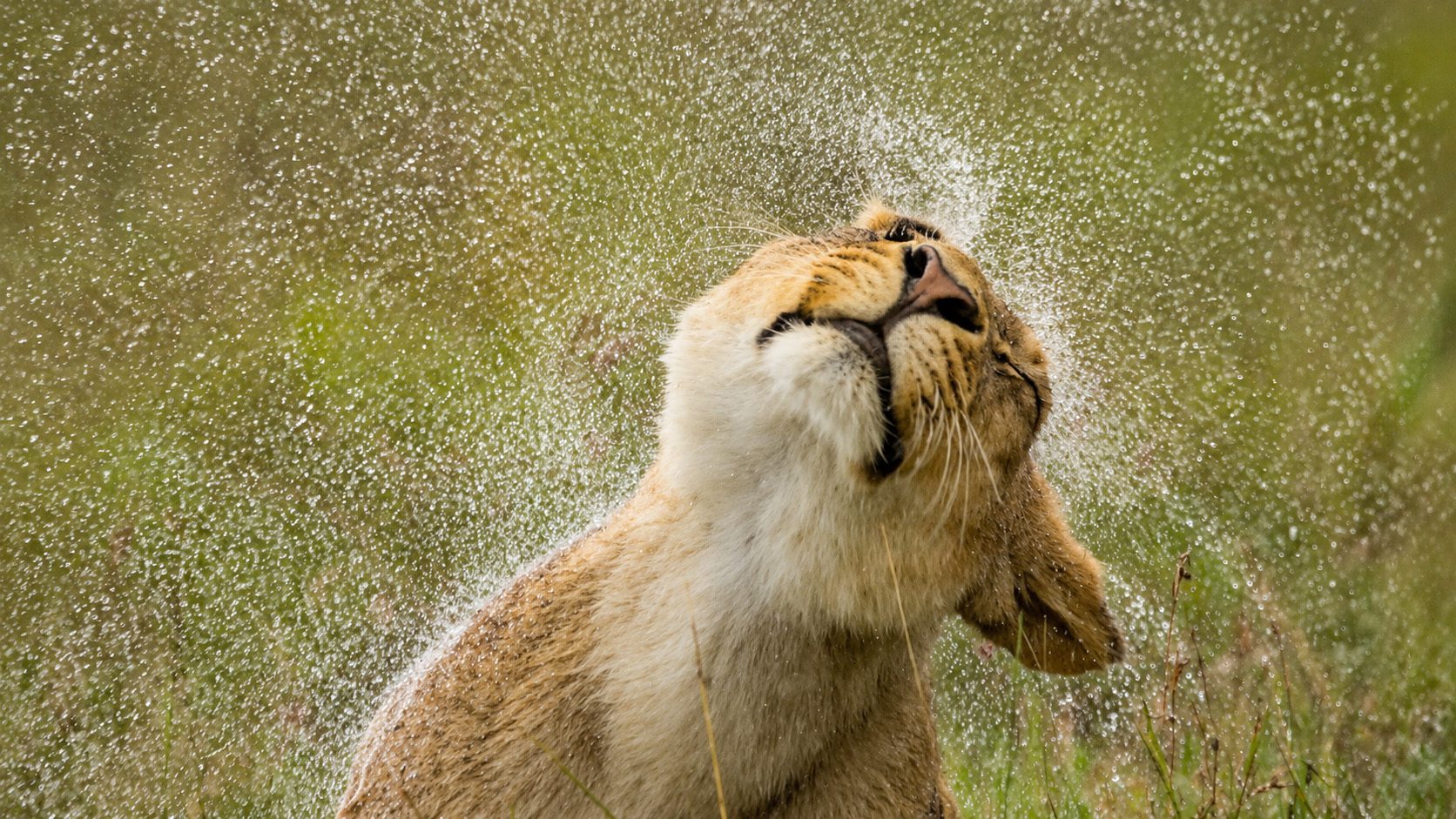
>The long rains are a different proposition. Rain can fall for hours, sometimes day after day, and it often comes at night. Soils that are firm in October, especially the black-cotton soils of the southern Serengeti plains, turn soft and sticky. Some tracks become impassable, and a good guide will change route rather than risk getting stuck.This is also when the industry partly shuts down. Many seasonal camps in Ruaha, Nyerere, Katavi and Mahale close for some or all of April and May, and some Zanzibar beach hotels close or run reduced services. Some bush airstrips are unusable after heavy rain.
And yet April and May have a loyal following. The Serengeti and Ngorongoro are at their emptiest, the landscapes are vivid green, and rates fall sharply. TANAPA lowers the Serengeti entry fee from USD 82.60 to USD 70.80 between 15 March and 15 May, and many lodges offer green-season rates on top. Our guide to Tanzania in April covers that month in detail.
Wha>What rain changes on safari, and what it does not
3>Wha>What changesl>Wha>What does not change
l>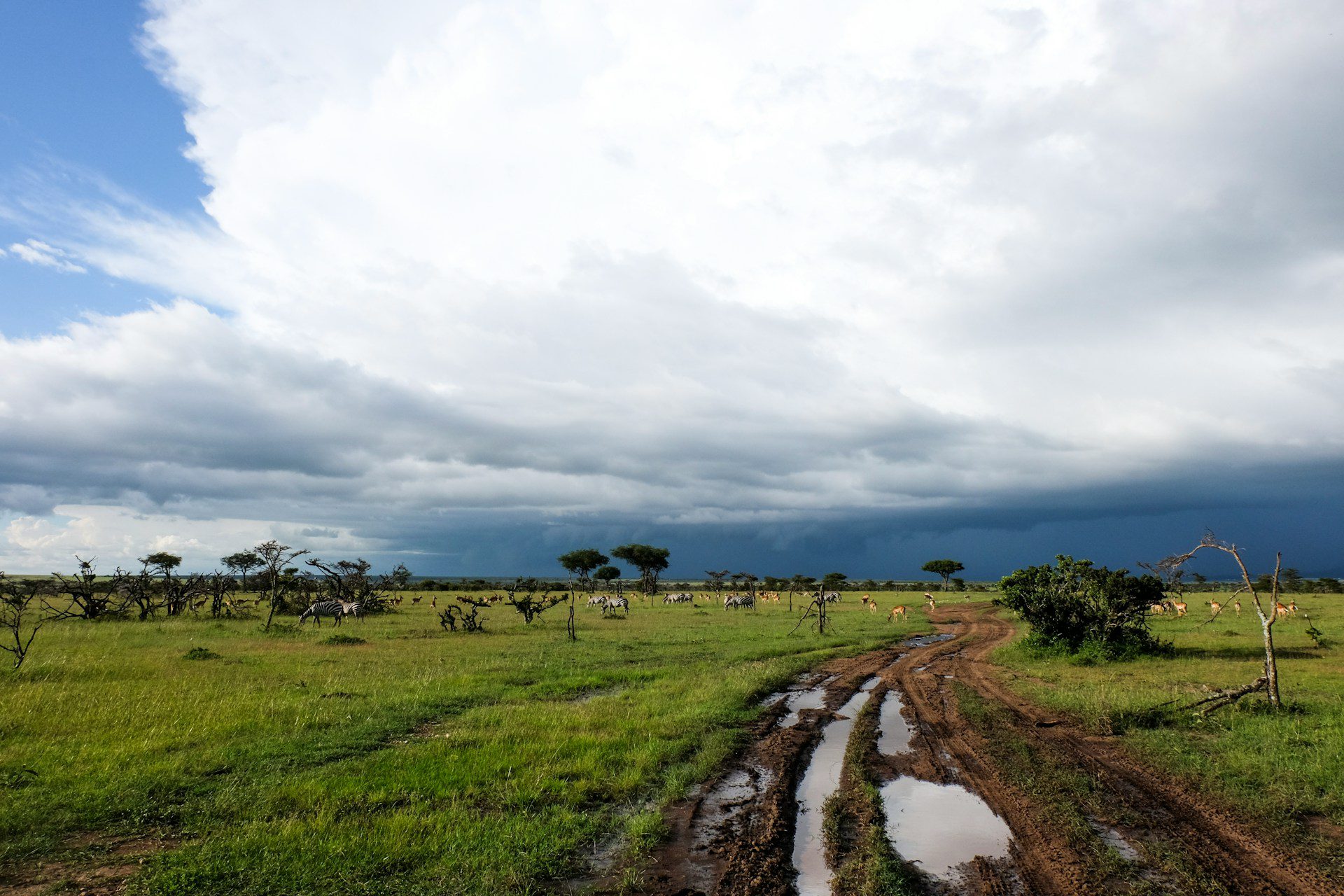
Is >Is the rainy season a good time for a Tanzania safari?
>It depends which rainy season, and what you want from the trip.- Good choice: the short rains in November and early December, for green landscapes, birds, fewer vehicles and shoulder prices. Also January and February, technically a dry spell between the rains, for calving.
- Good choice with flexibility: late March and late May, the edges of the long rains, when rates are low and conditions are often better than the calendar suggests.
- Only with the right expectations: April and early May. Choose the northern circuit, stay in lodges with dependable road access, keep transfers short and be relaxed about plans changing.
- Not recommended: the southern and western parks in the heart of their wet season, when many camps are closed anyway.
If your only holiday falls in the wet months, our guide to a Tanzania safari outside peak season helps you decide.
Pla>Planning rules for a wet-season trip
l>Rai>Rainy season in Kenya and Tanzania together
>Kenya follows a similar two-season pattern, with long rains from about March to May and short rains around November. If you are combining the Masai Mara with the Serengeti, the same wet months apply on both sides of the border, and the same advice holds: keep the route simple and the transfers short.Planning a trip during the rains and unsure which parks still work? Tell us your dates. We will tell you honestly which camps are open, which roads hold up, and whether a different month would serve you better.