How Much Does a Tanzania Safari Cost in 2026/27? A Line-by-Line Breakdown
November 3, 2026
A Tanzania safari in 2026/27 costs roughly USD 250 to 400 per person per day on a budget camping trip, USD 450 to 800 for a private mid-range lodge safari, and USD 850 to 1,500 or more for luxury camps. A typical 7-day mid-range safari for two people sharing comes to about USD 3,200 to 5,600 per person, before international flights, visas and tips.
Those ranges are wide because every quote is built from the same handful of parts: park fees, the vehicle and guide, where you sleep, and how you move between parks. Once you can see the parts, you can see why two seven-day quotes can sit thousands of dollars apart, and which differences are worth paying for.
The price floor nobody can discount: park fees
Park fees are set by the government, not by operators, and every company in Tanzania pays exactly the same. They are charged per person, per 24 hours, and all figures below include 18% VAT.
| Fee (non-resident adult) | 2026/27 rate | How it is charged |
|---|---|---|
| Serengeti National Park entry | USD 82.60 (USD 70.80 from 15 March to 15 May) | Per person, per 24 hours |
| Serengeti concession fee | About USD 70.80 | Per person, per night you sleep inside the park |
| Ngorongoro Conservation Area entry | USD 70.80 | Per person, per 24 hours |
| Ngorongoro Crater service fee | USD 295 | Per vehicle, per descent to the crater floor |
| Tarangire and Lake Manyara entry | About USD 53 to 59 | Per person, per 24 hours |
| Children aged 5 to 15 | Roughly a third of the adult rate | Under-5s enter free |
Two details catch people out. First, the 24-hour clock: enter the Serengeti at 10am and leave at 11am two days later and you pay for three periods, not two. A good operator plans gate times around this. Second, the crater fee is per vehicle, so it costs far less per head when four people share a vehicle than when two do.
What the fees add up to on a classic route
Here is the fee floor for a common seven-day northern circuit route, per adult, two people sharing a vehicle: one day in Tarangire, two days crossing the Ngorongoro Conservation Area, three nights inside the Serengeti and one crater descent.
- Tarangire, one day: about USD 59
- Ngorongoro Conservation Area, two 24-hour periods: USD 141.60
- Serengeti entry, three 24-hour periods: USD 247.80
- Serengeti concession, three nights: USD 212.40
- Crater service fee, half of one vehicle: USD 147.50
That is roughly USD 800 per person before a single bed, meal, litre of fuel or guide’s wage. Vehicle entry fees come on top. When a seven-day quote looks too cheap to be true, check whether it has fewer park days, sleeps everyone outside the Serengeti to avoid the concession fee, or leaves the fees out altogether.
What a safari costs per day, by style
| Style | Per person, per day | 7 days, per person | What you get |
|---|---|---|---|
| Budget camping (shared) | USD 250 to 400 | USD 1,750 to 2,800 | Public campsites, shared vehicle, cook travelling with you, simple meals |
| Mid-range lodge (private) | USD 450 to 800 | USD 3,200 to 5,600 | Lodges and tented camps with en-suite rooms, private 4×4, full-time guide, all meals |
| Luxury camps (private) | USD 850 to 1,500+ | USD 6,000 to 10,500+ | Small camps in prime locations, often drinks included, better positioned for the season |
| Fly-in luxury | USD 1,200 to 2,500+ | USD 8,500 to 17,500+ | Light aircraft between parks, top camps, guiding from each camp’s own vehicles |
These are market ranges based on two people sharing, park fees included. Solo travellers usually pay a single supplement, and groups of four sharing one vehicle pay noticeably less per head because the vehicle, guide and crater fee are split further.
Where the rest of the money goes
The vehicle and guide
A private 4×4 safari vehicle with a professional driver-guide, fuel and vehicle park fees usually adds a fixed daily amount to the whole group, not per person. This is the line that most separates a cheap quote from a good one. Ask whether the vehicle is owned by the company or hired for the week, and whether the guide is a full-time employee. Our guide on whether a private safari vehicle is worth the extra cost explains when sharing makes sense.
Accommodation
This is the biggest variable after park fees. A mid-range lodge on the edge of a park and a small luxury camp inside it can differ by several hundred dollars per person per night, and the camp inside the park also triggers the concession fee. Location matters more than stars: a well-placed tented camp often gives you more wildlife time than a grand lodge an hour from the action.
Internal flights
Light aircraft hops between Arusha, the Serengeti airstrips and Zanzibar typically cost around USD 150 to 400 per person per leg. Flying out of the Serengeti instead of driving back saves most of a day. Our comparison of flying versus driving between parks covers when it is worth it.
Costs that sit outside most quotes
- Tanzania visa: USD 50 for most nationalities, USD 100 for US citizens. Apply only on the official e-visa site.
- Mandatory inbound travel insurance: USD 44 per adult and USD 22 per child aged 3 to 17. See our guide to Tanzania’s mandatory travel insurance.
- Tips: budget around USD 15 to 25 per person per day for a group-safari guide, or USD 40 to 50 per vehicle per day on a private trip, plus camp staff. Our safari tipping guide has a worked example.
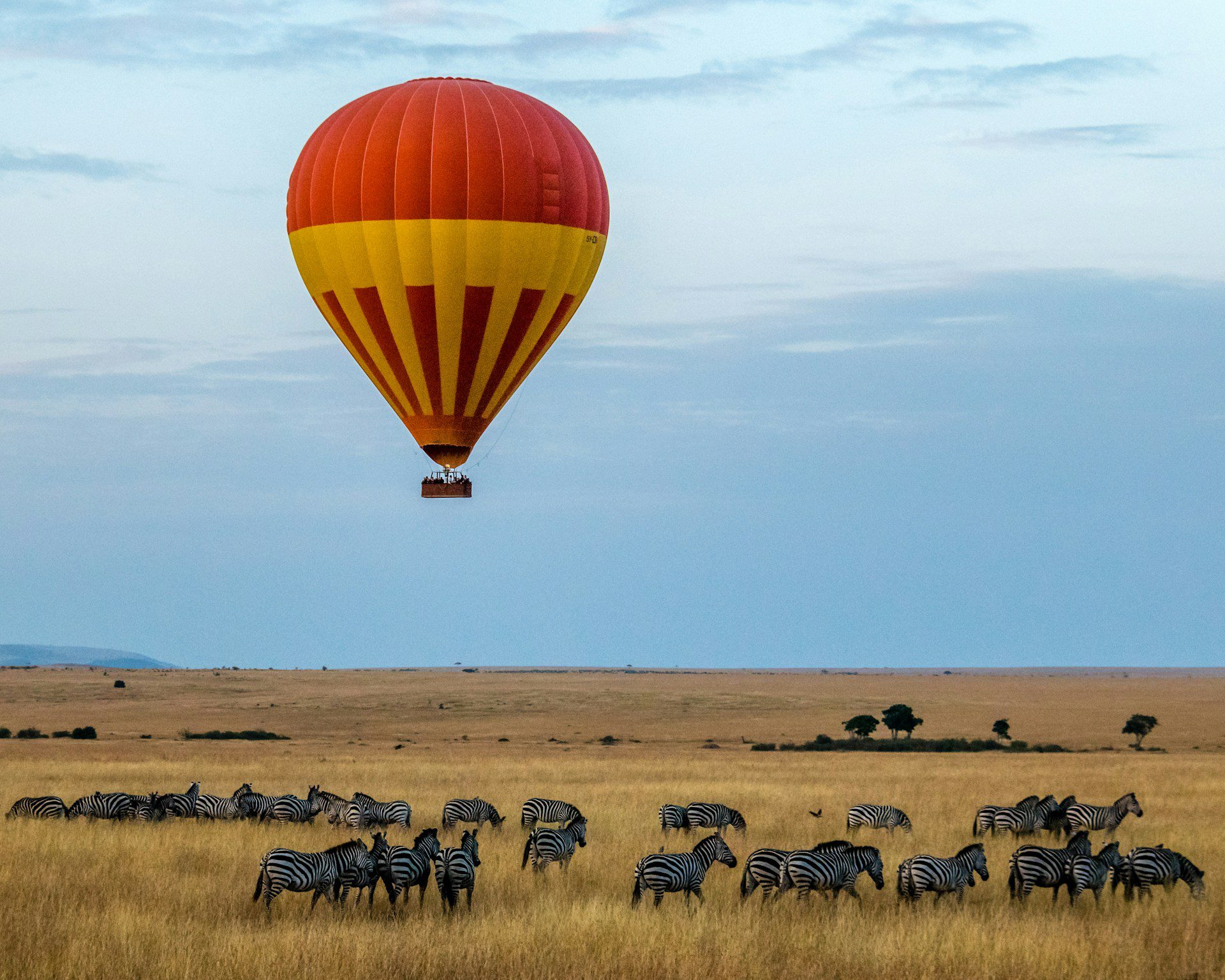
- Hot air balloon over the Serengeti: roughly USD 600 to 750 per person, usually with a bush breakfast.
- Your own travel insurance: still needed for cancellation, flights and medical evacuation beyond the basic local policy.
- Drinks, laundry and souvenirs: usually small, but check whether your camps include drinks.
How season changes the price
Price follows demand, and demand follows the wildlife and the weather.
- Peak (late June to October, and Christmas to New Year): the highest lodge rates and the hardest camps to book. The northern Serengeti river-crossing camps fill first.
- Calving season (January to February): high demand around Ndutu in the southern Serengeti, with mid-to-high rates.
- Short rains (November to mid-December): shoulder pricing, quieter parks and green landscapes.
- Long rains (mid-March to May): the cheapest time. TANAPA cuts Serengeti entry to USD 70.80, many lodges offer green-season rates, and some remote camps close.
If your holiday falls outside peak months, our guide to safaris outside Tanzania’s peak season shows what you gain and what you give up.
Five ways to spend less without ruining the trip
- Travel as four, not two. The vehicle, guide and crater fee split four ways instead of two.
- Sleep just outside the Serengeti on one or two nights. You avoid the concession fee, though you lose some early-morning time inside the park.
- Cut one park, not one day. Fewer parks with more time in each means fewer entry fees and less time driving.
- Choose the shoulder months. Early November and early June often give near-peak wildlife at lower rates.
- Book direct with a local operator. Overseas agents add a margin on top of the same ground costs. Our breakdown of where your money goes through an overseas agent shows how.
What we would not cut: the private vehicle on a first safari, a full-time guide, and enough nights in the Serengeti to reach the right region for your month.
How to compare two safari quotes fairly
Line the quotes up by what each night and day actually includes: the same parks, the same number of 24-hour fee periods, the same vehicle arrangement and camps in comparable locations. If one quote is much lower, find the line it has dropped. Our safari quote checklist walks through every line.
Quick answers
How much is a 3-day Tanzania safari?
Around USD 1,100 to 2,400 per person for a private mid-range trip covering Tarangire and the Ngorongoro Crater, two people sharing. Three days is too short to reach the Serengeti comfortably by road.
Are park fees included in a safari price?
In most Tanzanian quotes, yes. Always check, because a few budget operators list them separately to make the headline price look lower.
Is a Tanzania safari cheaper than Kenya?
Not by much either way. The Masai Mara now charges up to USD 200 per adult per day in high season, more than the Serengeti, but a Kenya trip often covers fewer parks. Tanzania’s costs build up across several parks and longer drives, and in return you get more variety on a longer trip.
Want a real number for your dates? Send us your travel window, group size and style, and we will build a quote with every park fee and night itemised, so you can see exactly where the money goes.