Kilimanjaro Routes Compared: Marangu, Machame, Lemosho, Rongai and More
November 19, 2026
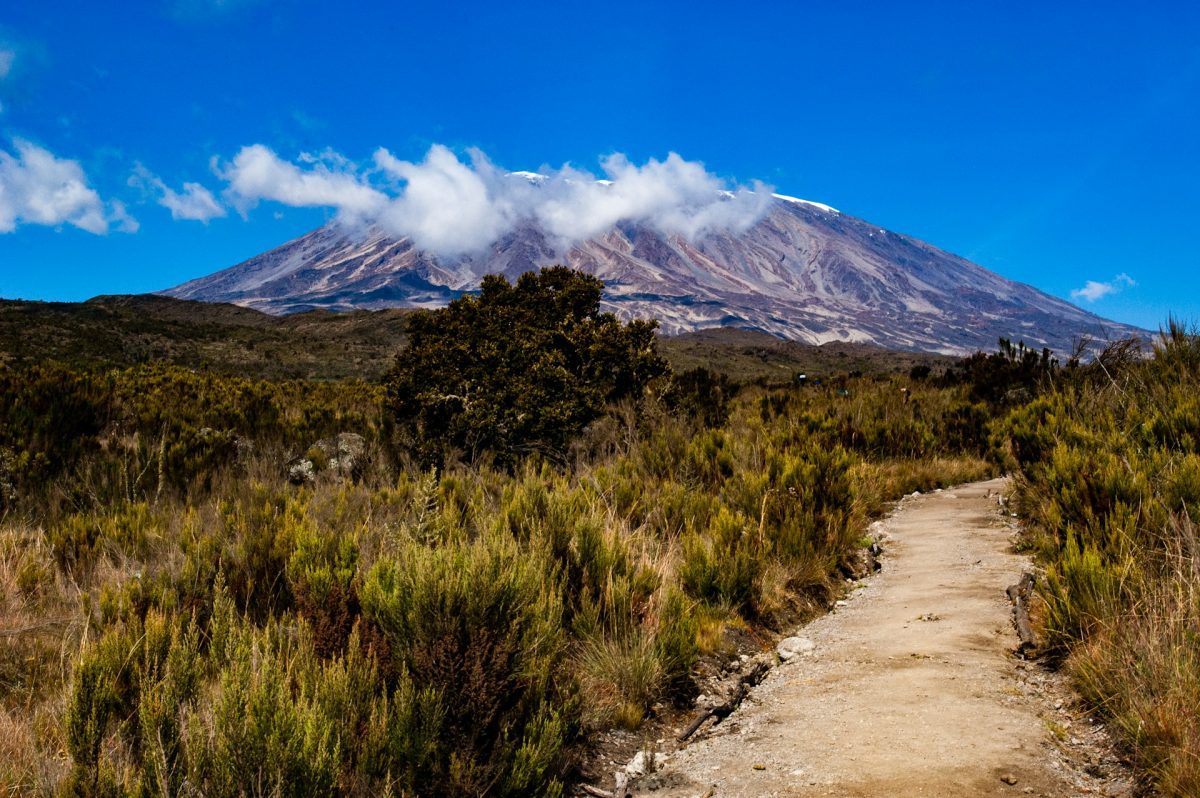
The Kilimanjaro routes with the highest summit success rates are the longest ones: the Northern Circuit (8 to 9 days) and the 8-day Lemosho route, followed by a 7-day Machame or Rongai. The reason is simple. More days give your body more time to adjust to altitude. There are no recent official success statistics from the park, so treat any percentage you see as an estimate, but every serious source agrees on that pattern.
Beyond success rates, the seven Kilimanjaro routes differ in scenery, crowds, comfort, steepness and cost. This guide compares them side by side, then helps you choose the one that fits you.
All seven routes compared
| Route | Start gate | Days | Approx. distance | Sleeping | Crowds | Difficulty |
|---|---|---|---|---|---|---|
| Marangu | Marangu (south-east) | 5 to 6 | About 70 km | Huts | Moderate | Moderate; steep summit night |
| Machame | Machame (south) | 6 to 7 | About 60 km | Tents | Busy | Moderate to hard |
| Lemosho | Londorossi (west) | 7 to 8 | About 70 km | Tents | Quiet at first, busier later | Moderate |
| Shira | Londorossi, by vehicle to the plateau | 7 to 8 | About 55 km | Tents | Quiet at first | Moderate; starts high |
| Rongai | Rongai at Nalemoru (north) | 6 to 7 | About 75 km | Tents | Quiet | Moderate; gentle gradient |
| Umbwe | Umbwe (south) | 6 to 7 | About 50 km | Tents | Very quiet | Hard; very steep |
| Northern Circuit | Londorossi (west) | 8 to 9 | About 90 km | Tents | Very quiet | Moderate; long |
Distances vary between sources and itineraries. Most routes on the south and west come down the Mweka route. Marangu and Rongai climbers usually descend on the Marangu route.
Success rates: what the numbers really mean
The figures most often quoted come from old park data. They suggested that roughly a quarter of climbers on 5-day climbs reached the summit, compared with about 85% on 8-day climbs. Operators today often publish higher figures for their own climbs, especially on longer itineraries.
The useful lesson is not the exact number. It is that the length of the climb matters more than the name of the route. A 7-day Rongai climb will usually give you a better chance than a 6-day Machame, even though Machame is often listed with higher success rates. Our guide on how long it takes to climb Kilimanjaro explains why.
Each route in more detail
Marangu: the hut route
Marangu is the only route with sleeping huts: Mandara, Horombo and Kibo. You go up and down the same path, which means less variety in the scenery, but also simpler logistics. Huts are dormitory-style, so you share with other climbers. Marangu is a sensible choice in the rainy months, when a solid roof is very welcome. Its reputation as an easy route is misleading. Summit night from Kibo Hut is steep, on loose scree, and short 5-day climbs have low success rates. Choose six days, with a rest day at Horombo.
Roy Safaris runs the 6-day Marangu route climb.
Machame: scenic and popular
Machame climbs through thick rainforest, crosses the Shira plateau, then contours under the southern ice fields. It has an excellent “walk high, sleep low” day, climbing to Lava Tower at around 4,600 m and dropping to Barranco Camp to sleep. Next comes the Barranco Wall, a short, guided scramble. Machame is one of the busiest routes, and camps can feel crowded in peak months. Take seven days rather than six.
Lem>Lemosho: the all-rounder
emosho starts on the remote western side, through quiet forest where you may see colobus monkeys, then crosses the whole Shira plateau before joining the Machame route. It is beautiful, quiet for the first days and well suited to acclimatisation. Eight days is ideal. The trade-off is a longer drive to the gate and slightly higher cost.Shi>Shira: a high start
he Shira route starts by driving most of the way up to the Shira plateau, at around 3,600 m. That saves walking time but means you sleep high on the first night, without a gradual build-up. It suits climbers who have already acclimatised on another mountain, such as Mount Meru, more than first-timers.Ron>Rongai: the quiet northern approach
ongai is the only route that starts on the northern side, near the Kenyan border. That side of the mountain is drier, which makes Rongai a good choice in the rainy months. The gradient is gentle and the trail is quiet. The highlight is Mawenzi Tarn, a camp below the jagged cliffs of Mawenzi. Scenery is less varied than on the western routes, and you descend on the Marangu side, so you see two faces of the mountain.Roy Safaris runs the 7-day Rongai route climb and a 6-day Rongai option.
Umb>Umbwe: steep and direct
mbwe is the steepest and most direct route, climbing sharply through forest on narrow ridges before joining the Machame route at Barranco. It is quiet and dramatic, but it gains height fast, which makes acclimatisation harder. It is best left to experienced hikers who have been at altitude before.Nor>Northern Circuit: the long way round
he Northern Circuit starts like Lemosho, then circles the quiet northern slopes of Kibo before the summit. It is the longest route, with the most gradual ascent and the fewest people, which is why it has the best summit odds. You also see more of the mountain than on any other route. It costs more, because of the extra days.A n>A note on the Western Breach
he Western Breach is a steep, direct path into the summit crater from the west. After a fatal rockfall in 2006, the park closed it for a time, and many operators stopped using it. We do not recommend it.How>How each route approaches the summit
le>From either point on the rim, it is about one to two hours further to Uhuru Peak at 5,895 m. Summit night from Kibo Hut climbs steep, loose scree. From Barafu, the path is a long, steady rocky slope. Our guide to the peaks of Kilimanjaro explains the crater rim.
Whi>Which route suits you?
le>Rou>Routes and the seasons
he season can change which route makes sense. In the dry months, any route works, and the western routes show their best scenery. In the rainy months, Rongai stays drier because it starts on the northern side, and Marangu’s huts keep you out of the wet at night. In peak months, the quieter routes help you avoid crowded camps. Our guide to the Tanzania rainy season explains when the rains usually fall.Thi>Things that matter more than the route
Longer routes also cost more in park fees and crew wages. Our guide to the cost of climbing Kilimanjaro shows how the route changes the price.
Qui>Quick answers
Wha>What is the easiest route up Kilimanjaro?ongai has the gentlest gradient, and Marangu has huts. But no route is truly easy. Your number of days matters more.Whi>Which Kilimanjaro route has the best scenery?
emosho and Machame, which cross the Shira plateau and pass under the southern glaciers. The Northern Circuit shows the most of the mountain.Whi>Which route is the least crowded?
he Northern Circuit, Rongai and Umbwe.Wha>What is the most popular Kilimanjaro route?
achame, followed by Lemosho and Marangu.If you would like help choosing, tell us your dates, fitness and experience and we will recommend the route and length that fit you.