How Much Does It Cost to Climb Kilimanjaro in 2026/27? A Line-by-Line Breakdown
November 13, 2026
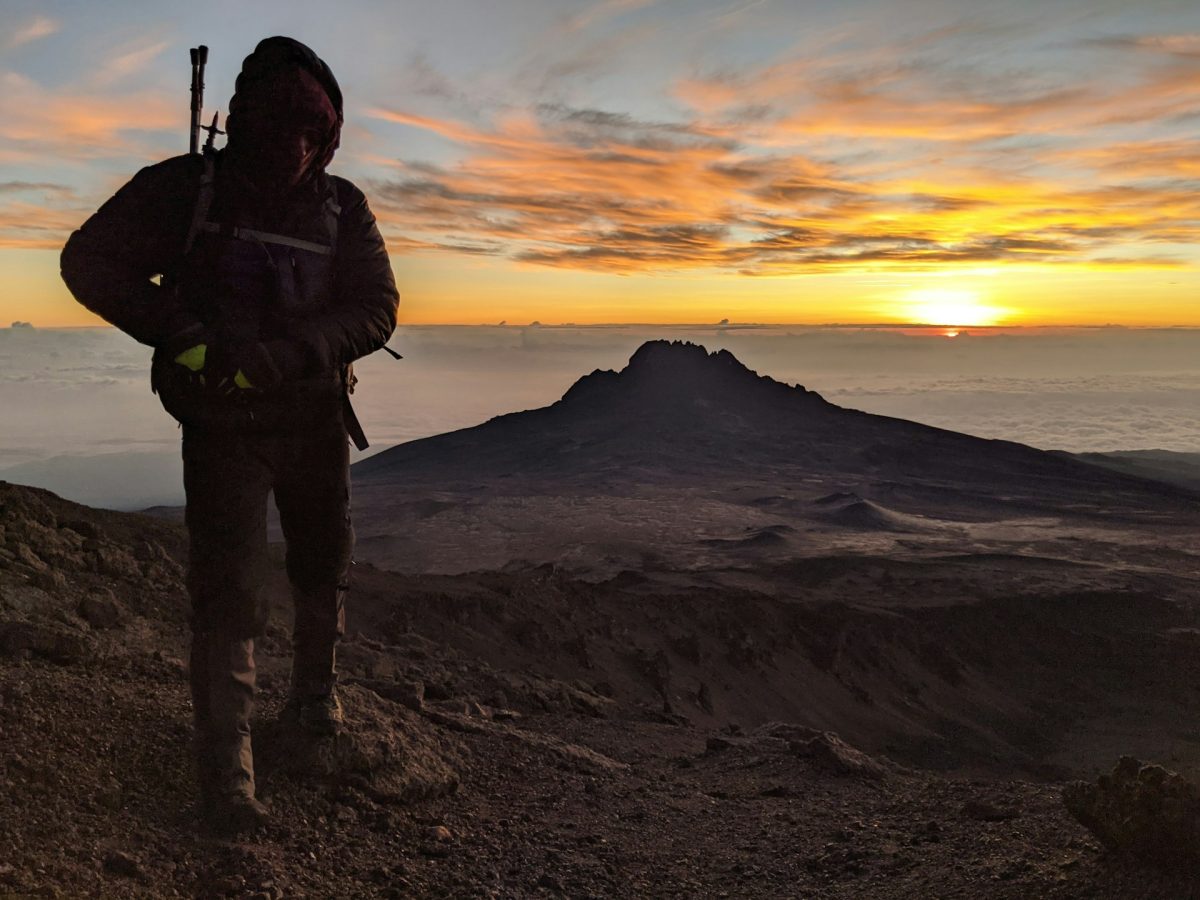
Climbing Kilimanjaro usually costs between about USD 1,800 and 3,500 per person for the climb itself with a reputable operator, before flights and tips. Budget climbs can be advertised for less, and fully private or luxury climbs can cost USD 5,000 or more.
Those ranges are wide because a climb is not one product. It is park fees, a crew of guides, cooks and porters, food, tents, transport and safety equipment, multiplied by the number of days you spend on the mountain. This guide breaks the Kilimanjaro cost down line by line, so you can see where the money goes and which savings are safe.
What a Kilimanjaro climb costs, in summary
| Type of climb | Typical price per person | What it usually means |
|---|---|---|
| Budget | Under USD 1,800 | Shortest itineraries, larger groups, basic equipment; check porter welfare closely |
| Mid-range | USD 1,800 to 3,500 | 6 to 8 days, good tents and food, proper safety kit, fair crew pay |
| Private or premium | USD 3,500 to 6,500+ | Private group, extra guides, toilet tent, larger tents, more comfort |
Prices for a single climber are higher, because the crew cannot be shared. Groups of two to four usually get the best value.
Where the money goes
1. Park fees: the biggest fixed cost
Tanzania National Parks sets the fees, and every operator pays the same. Under the tariff that ran from 2023 to June 2026, non-resident adults paid USD 70 per day in conservation fees, USD 50 per night for camping or USD 60 per night for huts on the Marangu route, and a USD 20 rescue fee per climb. For 2026/27, the conservation fee is listed in shillings, at TZS 178,850 per day, which is close to the old dollar figure. VAT and smaller crew fees come on top.
| Example | Conservation | Camping or huts | Rescue | Approximate park fees |
|---|---|---|---|---|
| 6-day Marangu | 6 × 70 = 420 | 5 × 60 = 300 | 20 | About USD 740 + VAT |
| 7-day Rongai | 7 × 70 = 490 | 6 × 50 = 300 | 20 | About USD 810 + VAT |
| 8-day Lemosho | 8 × 70 = 560 | 7 × 50 = 350 | 20 | About USD 930 + VAT |
In other words, park fees alone often make up a third or more of a mid-range climb. A quote that seems too cheap is often cutting somewhere else.
2. Th>2. The mountain crew
ypical climb for two people needs a lead guide, an assistant guide, a cook and five to eight porters. Their wages, food, park entry and equipment are a large part of the cost. This is also where the cheapest operators save money, by underpaying porters or overloading them. Park rules limit porters to 20 kg of client gear each, and the Kilimanjaro Porters Assistance Project (KPAP) sets out fair treatment standards. Ask any operator how they meet them.3. Fo>3. Food, water and equipment
d food at altitude is not a luxury. Appetite drops as you climb, and warm, tasty meals help you keep eating. Quality mountain tents, sleeping mats, a mess tent, emergency oxygen, a pulse oximeter and a full first aid kit all cost money to buy and maintain.4. Tr>4. Transport and hotel nights
nsfers to and from the gate, and usually one night before and after the climb in Moshi or Arusha, are normally included. The drive to Londorossi Gate for the Lemosho route is longer, which is reflected in the price.Tips:>Tips: the cost most people forget
s are not included in climb prices, and they are a real part of crew income. Roy Safaris follows the KPAP guideline figures and treats them as averages, per group per day:| Crew member | Suggested tip per day (per group) |
|---|---|
| Lead guide | USD 20 to 25 |
| Assistant guide | USD 15 to 20 |
| Cook | USD 12 to 15 |
| Porter | USD 8 to 10 each |
For two climbers on a seven-day climb with one lead guide, one assistant, one cook and six porters, that comes to roughly USD 700 to 800 for the group, or about USD 350 to 400 each. Our guide on how much to tip in Tanzania explains how to hand tips over fairly.
The o>The other costs to budget for
i>International flights to Kilimanjaro International Airport (JRO).How g>How group size changes the price per person
e costs are fixed per person, such as park fees. Others are shared across the group, such as the lead guide, the cook, the mess tent, the vehicle to the gate and some porters. That is why the price per person usually falls as the group grows.| Group size | What happens to the price per person |
|---|---|
| 1 climber | Highest. You carry the full cost of the guide, cook and shared kit alone |
| 2 climbers | Noticeably lower, as the crew and kit are shared |
| 3 to 4 climbers | Usually the best value for a private climb |
| 5 or more | Similar to 3 to 4; extra guides are needed as the group grows |
If you are travelling alone and want to save, ask whether you can join a small group on fixed dates. If privacy matters more, a private climb for one is possible, at a higher price.
How t>How the route changes the cost
ger routes cost more, mainly because every extra day adds park fees, crew wages and food. Routes that start far from Moshi, such as Lemosho and the Northern Circuit, also add transport time. The Marangu route uses huts, which cost more per night than camping but remove the need for porters to carry sleeping tents. In practice, the gap between a six-day and an eight-day climb is usually a few hundred dollars per person, which is small compared with the cost of a failed summit and a wasted flight.Where>Where it is safe to save, and where it is not
rong>Safe savings:- Travel in a small group to share crew costs.
- Rent bulky gear locally instead of buying it.
- Choose the Marangu or Rongai route, which avoid the long drive to Londorossi Gate.
- Climb in a shoulder month, when some operators offer better rates.
False savings:
- Cutting a day off the itinerary. Fewer days means less time to acclimatise and a lower chance of reaching the summit.
- Choosing an operator that cannot explain how it pays and equips its porters.
- Skipping insurance that covers altitude and evacuation.
How R>How Roy Safaris prices a climb
run climbs on the 6-day Marangu route and the 7-day Rongai route, and can arrange other routes on request. When you ask for a quote, ask for the park fees, the crew size and the number of days to be shown clearly, so you can compare it fairly with others. Our guide to climbing Kilimanjaro explains how to choose a route and a number of days.Quick>Quick answers
w much does it cost to climb Kilimanjaro?Usually USD 1,800 to 3,500 per person with a reputable operator, before flights and tips. Private and luxury climbs cost more.
Why i>Why is Kilimanjaro so expensive?
k fees, a full mountain crew and safety equipment make up most of the price. Park fees alone are often USD 750 to 1,000 per person.How m>How much should I budget for tips?
n on roughly USD 300 to 400 per person for a seven-day climb in a group of two. The amount per person falls in larger groups.Is a >Is a cheap Kilimanjaro climb worth it?
careful. Very low prices often mean fewer days, poor equipment or underpaid porters. Ask what is included before you book.To get a clear, itemised price for your climb, tell us your dates, route and group size.