Climbing Mount Kilimanjaro: The Five Decisions That Get You to the Top
November 6, 2026
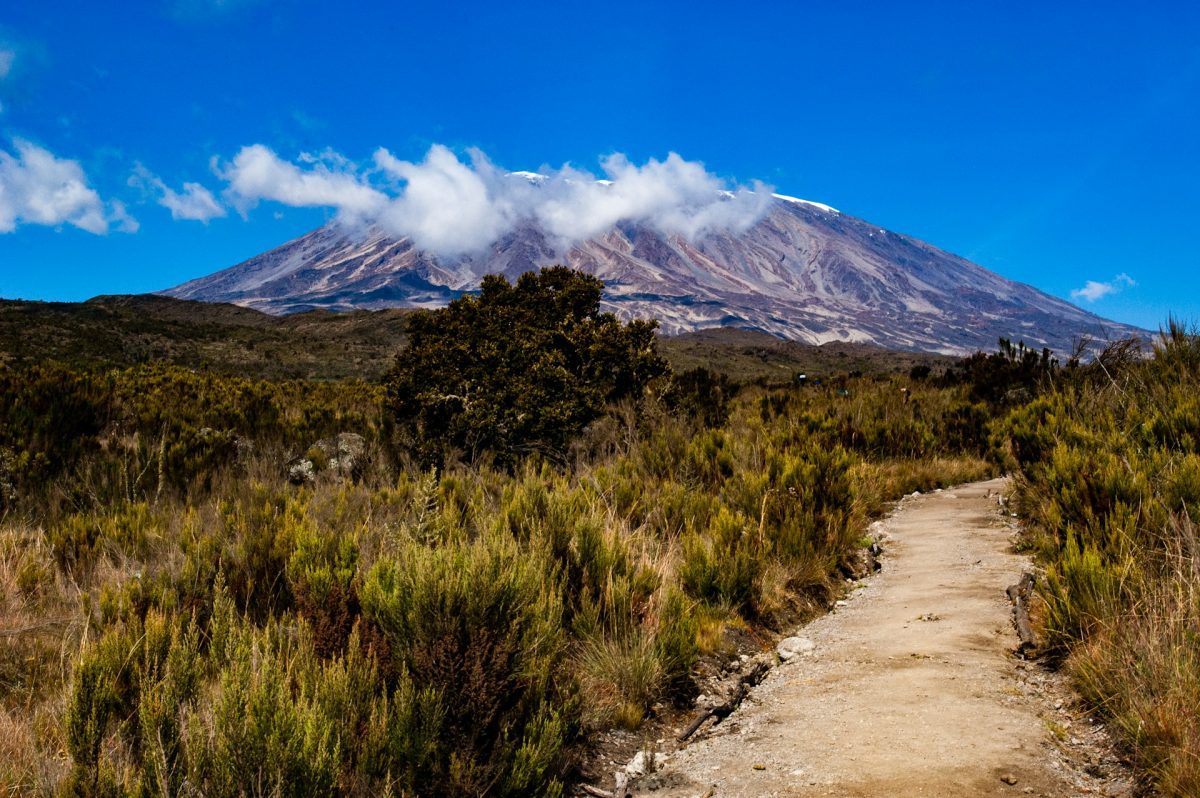
Climbing Mount Kilimanjaro does not need ropes, ice axes or mountaineering experience. It needs patience, warm clothes and a well-planned climb. Most people who turn back do not fail because they are unfit. They fail because they went up too fast.
So this guide is built around five decisions, in the order they matter. Get these right and climbing Mt Kilimanjaro becomes a long, hard, very achievable walk to the highest point in Africa, Uhuru Peak at 5,895 metres.
Kilimanjaro at a glance
| Fact | Detail |
|---|---|
| Summit | Uhuru Peak, 5,895 m, on the Kibo cone |
| Location | Kilimanjaro National Park, north-east Tanzania, near the Kenya border |
| Nearest towns | Moshi (about 45 minutes to the southern gates) and Arusha |
| Nearest airport | Kilimanjaro International Airport (JRO) |
| Days on the mountain | 5 to 9, depending on the route |
| Main park fees | Daily conservation fee, nightly camping or hut fee, one-off rescue fee |
| Technical skill needed | None. Some routes include an easy scramble |
| Status | Africa’s highest mountain, one of the Seven Summits and the world’s highest free-standing mountain; a dormant volcano |
| First recorded ascent | 1889, by Hans Meyer and Ludwig Purtscheller with local guide Yohani Kinyala Lauwo |
Decision 1: How many days will you give the mountain?
This is the decision that matters most, and it is the one most people get wrong to save money. Your body needs time to adapt to thinner air. Every extra day lets it adjust before summit night.
A five-day climb is possible on paper. In practice it gives you almost no time to acclimatise, and many people on short climbs turn back with headaches, nausea and exhaustion. We recommend at least six days on the gentler routes and seven or eight on the longer ones. The extra day costs much less than a failed summit and a wasted flight.
The best itineraries also follow a simple rule: walk high, sleep low. On a good route you climb to a higher point during the day, then drop back down to sleep. You will feel the benefit on summit night.
Decision 2: Which route?
There are seven main routes. They differ in scenery, crowding, comfort and, most of all, in how well they let you acclimatise.
| Route | Usual days | Sleeping | Best for |
|---|---|---|---|
| Marangu | 5 to 6 | Shared huts | People who dislike camping; quieter in the green season |
| Machame | 6 to 7 | Tents | Scenery and good acclimatisation; busy |
| Lemosho | 7 to 8 | Tents | Quieter start, excellent acclimatisation |
| Rongai | 6 to 7 | Tents | Drier north side, gentler gradient, fewer people |
| Northern Circuit | 8 to 9 | Tents | The longest, quietest and most gradual route |
| Umbwe | 6 to 7 | Tents | Experienced hikers only; very steep |
| Shira | 7 to 8 | Tents | Starts high, so less suited to first-timers |
The Machame, Lemosho, Shira and Umbwe routes all cross the Barranco Wall, a short section where you use your hands. It looks steep from below. In practice it is a slow, guided scramble, not a climb, and most people say it was easier than they feared.
Roy Safaris runs climbs on the 6-day Marangu route and the 7-day Rongai route, and we can arrange the others on request.
Decision 3: When will you go?
Kilimanjaro can be climbed all year, but the two dry seasons are easier and safer underfoot.
- Late June to October: the long dry season. Cold, clear nights and the busiest trails.
- January to early March: the short dry season. Slightly warmer, often clear, with a real chance of snow near the summit.
- April and May: the long rains. Muddy, wet and quiet. Some camps feel miserable for days at a time.
- November: the short rains. Showers are common but usually pass.
The weather in late 2026 needs an extra note. Forecasters expect above-normal rain from November 2026 into early 2027, linked to El Niño. If you plan to climb in that window, choose the drier northern side (Rongai) and add a spare day. Our guide to El Niño in Tanzania explains the forecast.
D>Decision 4: Who will climb with you?
>You cannot climb Kilimanjaro alone. Park rules require a licensed guide, and every climb runs with a crew: guides, a cook and porters who carry the tents, food and your main bag.This is where cheap climbs cut corners. A low price often means fewer guides, poor food at altitude, worn-out tents and underpaid porters. Before you book, ask any operator these questions:
- How many guides will there be for our group, and can they check our oxygen levels and pulse each day?
- Do you carry emergency oxygen and a first aid kit on every climb?
- What do your porters earn, and do you follow the Kilimanjaro Porters Assistance Project (KPAP) guidelines?
- Are all park fees included in the price?
- What happens if one person in our group needs to descend early?
Park rules limit each porter to a maximum of 20 kg of client gear, and many good operators cap your personal bag at around 15 kg. Our guide to tipping in Tanzania sets out the usual tips for the mountain crew.
D>Decision 5: How will you prepare?
>You do not need to be an athlete. You do need to be comfortable walking for six to eight hours, day after day, with a small backpack. The best training is simply long walks on hills, wearing the boots you will climb in.A few habits help more than any gym session:
- Walk slowly from the very first hour. Your guides will say “pole pole” (slowly, slowly) all week. Listen to them.
- Drink three to four litres of water a day.
- Eat, even when altitude takes away your appetite.
- Tell your guide about every headache or dizzy spell. Hiding symptoms is how small problems become dangerous ones.
- Speak to your doctor before you go about altitude sickness and whether medication is right for you.
- Pack in soft bags and leave plastic carrier bags at home. Tanzania banned them in 2019, and they are confiscated on arrival.
What >What the climb actually feels like
imanjaro takes you through five climate zones in a few days. You start in farmland and warm rainforest, often damp and muddy. Next comes heath and moorland, with giant groundsels and wide views. Above about 4,000 metres you reach alpine desert: dry, dusty, quiet and cold. The summit zone is arctic, with glaciers and freezing wind.Every camp is colder than people expect, even in the lower zones. Night-time toilet trips in the cold are part of the experience, and a warm sleeping bag and a pee bottle make a real difference. Your crew can fill a water bottle with hot water to keep in your sleeping bag.
Summi>Summit night, honestly
mit night is the hardest part of the climb. You usually wake around 11pm, start walking around midnight and climb for six to eight hours in the dark, in thin air and temperatures that can fall well below freezing with wind chill.Most people reach the crater rim at Stella Point (5,756 m) or Gilman’s Point (5,685 m) around sunrise. From there it is about an hour more along the rim to Uhuru Peak. Then you descend for several hours to a lower camp. It is often a 12 to 15 hour day.
Keep your phone and spare batteries inside your jacket, because cold drains them fast. Cover your face with a balaclava. Keep your hands warm in the jacket rather than gripping poles in the wind. And trust the pace your guide sets, even when it feels absurdly slow.
After>After the summit: safari or beach
y climbers add a safari or a few days on Zanzibar. A sensible order is climb first, then rest on safari, where you sit in a vehicle and let your legs recover. A good guide will slow the first game drive day down for you. Read what your insurance must cover for Kilimanjaro and safari before you book both, because many standard policies stop at 4,000 metres.Quick>Quick answers
you need experience to climb Kilimanjaro?No. You need good general fitness and the right number of days. No climbing skills are needed.
How l>How long does it take to climb Kilimanjaro?
ween five and nine days on the mountain, depending on the route. Six to eight days gives the best balance of cost and summit chances.Can y>Can you climb Kilimanjaro without a guide?
Park rules require every climber to go with a licensed guide and a registered operator.What >What is the hardest part of climbing Kilimanjaro?
mit night, because of the altitude, the cold and the long hours. On some routes, the Barranco Wall is the hardest daytime section, but it is a scramble, not a technical climb.If you would like help choosing a route and a number of days that suit you, tell us your dates and fitness level. We can also plan the safari or beach days that follow.