Christmas on Kilimanjaro? The Year’s Brightest Moon Arrives a Night Early
November 18, 2026
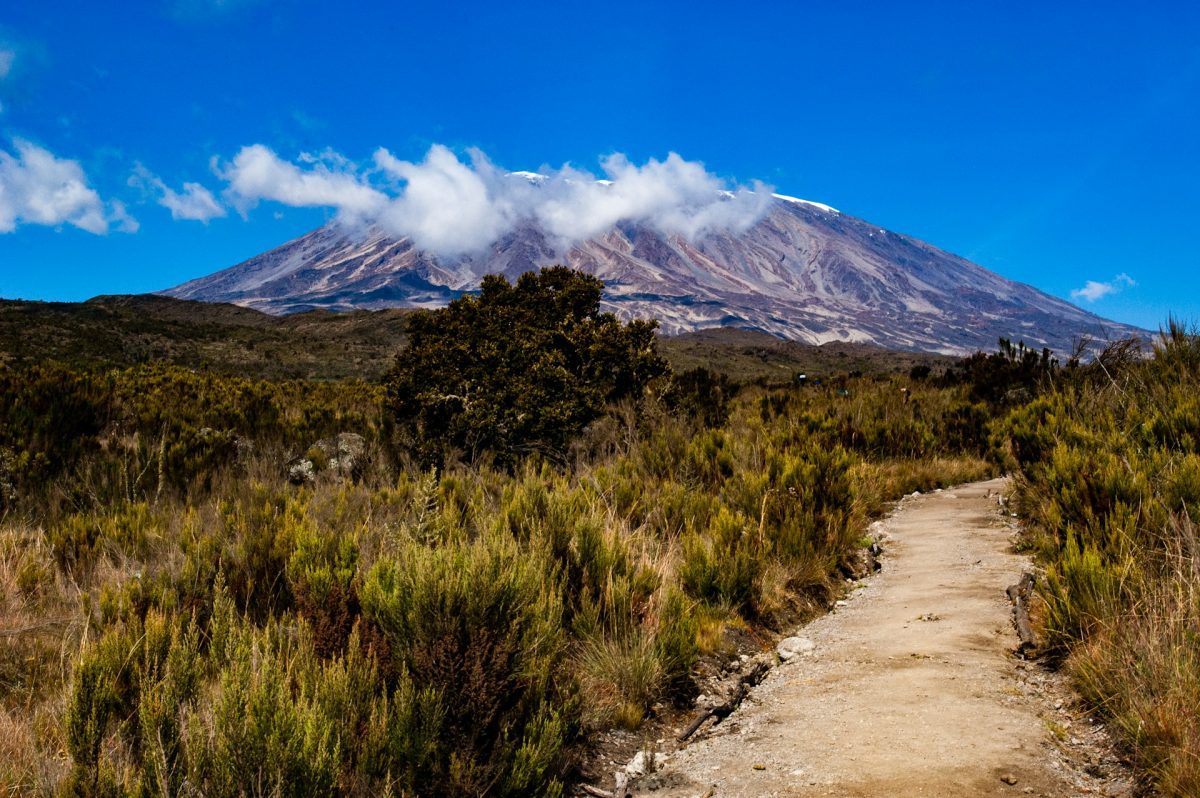
Christmas Day on the Roof of Africa is a bucket-list line people say out loud at dinner parties. This year there is a better one. The biggest full moon of 2026 peaks over Kilimanjaro in the small hours of Christmas Eve, right in the middle of summit night. If you are dreaming of a festive summit, the date you pick decides whether you walk under the brightest moon of the year or the night after it.
The last supermoon of 2026 is also the closest full moon of the year, which makes it look slightly bigger and noticeably brighter than an average one. Its exact moment of fullness is 01:28 GMT on 24 December. In Tanzania that is 04:28 in the morning.
Why that hour matters on Kilimanjaro
On most routes you do not climb to the top in daylight. You leave high camp around midnight and walk through the dark, aiming to reach the crater rim close to sunrise. So at 04:28 on 24 December, climbers on summit night will be several hours into the final slope.
That means the summit to aim for is the Christmas Eve sunrise, not Christmas morning. A Christmas Day summit is a popular departure with several operators, and it is still a lovely night to climb. The moon will still look almost full. It just will not be the peak.
To the eye, the moon looks full for about three nights around 23 and 24 December. So the real decision is not whether you get a bright moon. It is which bright night suits you best.
What the full moon actually changes
On a clear night under a full moon, the trail, the ridgelines and the glaciers near the summit pick up the light. You rely on your head torch far less, and the long climb feels less like walking inside a tunnel. For many climbers, the glowing ice is the moment that stays with them.
It does not replace your head torch. Cloud can still roll in, and the moon cannot be booked like a hotel room. Bring a good torch and spare batteries anyway; our Kilimanjaro packing list covers what earns its place in the bag.
The honest trade-offs
Full-moon summit nights are the most requested climbs on the mountain, and Christmas week is already a popular time to be on Kilimanjaro. Put the two together and the exact peak night is likely to be busy at the top.
Think of it like New Year’s Eve fireworks. Everyone crowds onto the one bridge with the famous view, but a spot a street away sees the same sky with more room to breathe. On Kilimanjaro, a summit one night either side of the peak keeps nearly all of the moonlight and may give you a quieter trail.
There is also a cost for stargazers. A bright moon washes out the Milky Way. If a sky full of stars is your dream, a new-moon climb is the better choice.
Weather is the other honest caveat. December sits at the tail of the short rains on the mountain, so clear skies are likely on some nights and not others. Nobody can promise you a cloud-free summit.
H>How to time it
>Work backwards from the summit night you want. Depending on the route, that means starting your climb five to seven days earlier, plus a night in Moshi or Arusha before you set off. Our guide to how long each Kilimanjaro route takes shows how the days stack up.With Christmas only weeks away, this is a decision for now, not for January. If this year comes too soon, the next supermoon falls on 22 January 2027, inside the drier January to March climbing window. It is a strong second chance with fewer festive crowds.
Whichever moon you choose, the route, the pace and the number of days matter more than the light. Our guide to the five decisions that get you to the top of Kilimanjaro starts there, and the moon becomes the beautiful bonus on the right night.