First-Time Tanzania Safari: The Complete Beginner’s Guide
August 17, 2026
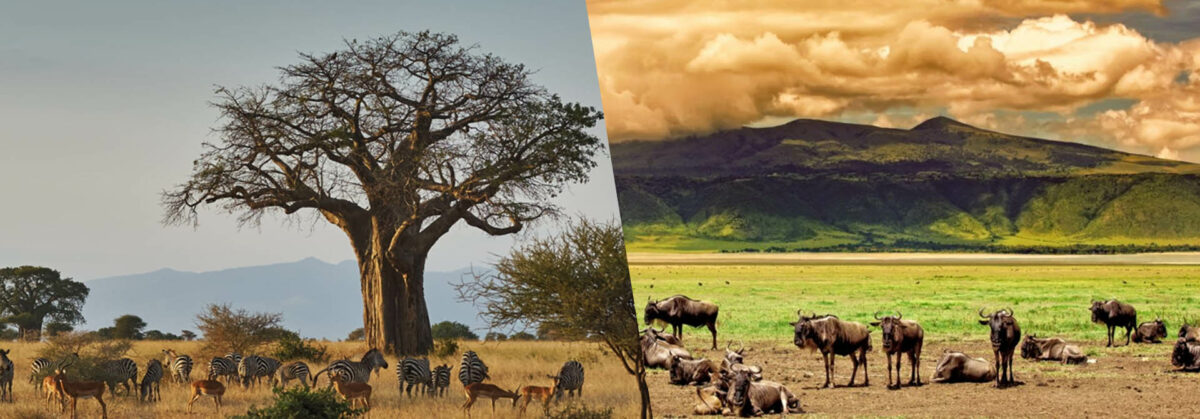
Most first-time Tanzania safari guides tell you where to go and when. Almost none tell you what the trip actually costs down to the dollar, why some itineraries are secretly rushed, or what nobody mentions about the drive between Ngorongoro and the Serengeti. This guide covers all of that, built from decades of guiding travelers on their first Tanzania trip, plus the honest, unfiltered questions real first-timers ask before they book.
Quick answer, if you only read one paragraph: For a first Tanzania safari, plan 7 to 10 days on the Northern Circuit (Tarangire, Ngorongoro, Serengeti), spend at least 2 nights in each park you visit, avoid 1-night stops except on the Ngorongoro crater rim, and budget $400 to $600 per person per day for a private mid-range safari. Book 9 to 12 months ahead if you’re traveling during July to October or the calving season in February.
Add Roy Safaris as a Preferred Source
Is a Tanzania Safari Actually Right for You?
Before the logistics, an honest gut check. Safari isn’t a theme park, and it isn’t for everyone.
You’ll enjoy it if you’re genuinely curious about watching animals for hours at a time, not just photographing them for two minutes and moving on. You’ll need to handle early starts, most mornings begin around 5:30am, and you’ll need to be okay with dust, bumpy roads, and long stretches where nothing dramatic happens between sightings. If you need constant stimulation or a packed schedule of activities, safari will test your patience. If you’re the kind of traveler who’s happy watching a herd of elephants cross a river for twenty minutes without needing anything else to happen, you’ll love it.
One honest thing worth knowing upfront: wildlife documentaries compress weeks of footage into an hour. A real safari has quiet stretches. The best sightings are often unplanned, and specific animals (a rhino, a leopard up close, a river crossing) are never guaranteed on any single trip. Go in chasing the whole experience, not a checklist, and you’ll come home happy either way.
What a Tanzania Safari Actually Costs
This is the part most guides gloss over, and it’s the single most common source of confusion for first-timers. Here’s the real breakdown.
Private, mid-range safari: roughly $400 to $600 per person per day, all-inclusive (vehicle, guide, accommodation, meals, park fees). For a 7-day Northern Circuit trip for two people, that puts you in the $5,600 to $8,400 total range before flights.
Group or shared safari: meaningfully cheaper, often $150 to $350 per person per day, since the vehicle, guide, and fixed park costs are split across more people. This is where public group tours and smaller group departures become worth considering if budget is the priority over privacy.
Where the money actually goes, since this is the part almost nobody breaks down clearly (figures below are non-resident adult rates, exclude the 18% VAT that applies on top, and are worth reconfirming with your operator since official tariffs are revised periodically):
- Serengeti park entry fee: roughly $60 to $83 per person per 24-hour period, depending on season
Serengeti concession fee: a separate charge for staying inside the park itself, roughly $50 to $71 per person per night, on top of the entry fee - Ngorongoro Conservation Area entry/transit fee: around $70 to $71 per person per 24 hours, charged even if you’re only passing through on your way to the Serengeti and not descending into the crater
- Ngorongoro crater descent fee: a separate charge of around $295 per vehicle (not per person) if your vehicle actually drives down onto the crater floor
- Vehicle fee: a daily charge per safari vehicle, separate from your guide’s fee
- Guide fee: your driver-guide’s daily rate
This is why a quote that looks $1,000 cheaper than another is often just missing line items, not offering a better deal. When comparing operators, ask specifically whether park fees, concession fees, and the crater descent fee are included in the quoted price, or added later. This single question avoids more budget surprises than anything else on this list.
How Many Days You Actually Need (Park by Park)
Most rushed, disappointing first safaris share one root cause: too many one-night stops. Moving camp every single night sounds efficient on paper, but in practice it means losing the best light of the day (dawn and dusk) to packing, driving, and checking in somewhere new.
A reliable, tested guideline for the Northern Circuit:
- Tarangire: minimum 2 nights, inside the park if possible. A single day trip here only shows you the crowded area near the gate. Two nights lets your guide take you further in, toward areas like the Silale Swamp, where the elephant herds and predator activity are genuinely rewarding.
- Ngorongoro Crater: 1 night can work here, and only here, if you stay on the crater rim itself (not down in the town of Karatu, which adds an unnecessary transfer). Descend into the crater at dawn, right at opening, before the bulk of vehicles arrive. Note that the crater descent fee is charged per vehicle for a half-day period, so many itineraries plan a single descent rather than two separate trips down.
- Serengeti: minimum 3 nights if you’re staying in one area (typically central Serengeti). If you want to chase the migration into a second area of the park, budget 4 to 5 nights split across two locations.
A realistic 7-day Northern Circuit itinerary looks like: 2 nights Tarangire, 1 night Ngorongoro crater rim, 3 to 4 nights Serengeti. If your trip is shorter than 7 days, it’s better to drop a park entirely than to compress all three into rushed one-night stops.
Should You Fly In, Drive Out, or Both?
This is one of the most underrated planning decisions, and one that almost no beginner guide explains properly.
The road connecting Ngorongoro to the Serengeti is unpaved, dusty, and, depending on rain and season, can take 8 or more hours to cover what looks short on a map. Some guides jokingly call it “the road to hell” for a reason. It’s not dangerous, just long and physically tiring, especially after several days of early starts.
The common solution: drive the first leg of your trip (Arusha to Tarangire to Ngorongoro), then fly the return leg from the Serengeti back to Arusha. A one-way charter flight typically costs $100 to $200 per person, and it buys back most of a full day you’d otherwise lose to driving, day that can instead be spent on an extra game drive. For a first safari, this small extra cost is one of the best-value additions you can make to an itinerary.
When to Go: An Honest Month-by-Month Picture
Tanzania is a year-round destination, but each season delivers a genuinely different experience.
Dry season (June to October): the classic safari window. Wildlife concentrates around remaining water sources, making sightings more predictable, and this is when the Great Migration’s dramatic Mara River crossings typically happen in the northern Serengeti, generally from July through September. It’s also the busiest and most expensive time to travel, and the best camps book out 9 to 12 months ahead.
Calving season (January to March): the herds gather on the short-grass plains of the southern Serengeti, around the Ndutu area, where hundreds of thousands of wildebeest calves are born within weeks of each other. This also draws predators in force. It’s a different kind of drama than the river crossings, arguably more intense, and it’s still considered part of peak season pricing.
Green season (November to May, excluding the holiday period): often unfairly dismissed as “rainy season.” The landscape turns lush, birdlife explodes with migratory arrivals, and camps often drop rates 20 to 40%. Rain typically falls in short afternoon showers rather than all-day downpours, leaving mornings and evenings clear for game drives. The genuinely difficult months to avoid are April and, to a lesser extent, May, when the long rains are heaviest and some roads and camps become harder to access.
One honest point worth repeating: nobody, not even the most experienced local guide, can predict the exact week the migration herds will move or cross in any given year. It depends on rainfall patterns that shift year to year. Plan for a season and a general park area, not a specific date, and build in a few extra days in the region you’re most interested in rather than chasing a single event.
What a Day on Safari Actually Feels Like, Hour by Hour
5:00-5:30am: A gentle knock and a hot drink delivered to your tent. This is genuinely one of the most memorable parts of the trip for most first-timers, coffee in the cold, pre-dawn quiet of the bush.
6:00am: Depart for the morning game drive, when animals are most active and the light is best for photography.
9:00-10:00am: Bush breakfast at a scenic spot, or return to camp. This is often when you’ll hear the term “box lunch” for the midday meal on longer drive days, a packed picnic that’s moved well beyond the hard-boiled egg and chicken leg of decades past into genuinely good sandwiches, salads, and fresh fruit.
10:00am-3:00pm: Midday break. Animals rest during the heat of the day, and so should you. Use this time for an actual nap, the pool if your camp has one, or simply sitting and watching the bush from camp.
3:30-4:00pm: Afternoon game drive departs, running until sundowners, drinks enjoyed at a scenic spot as the sun sets, a genuinely lovely daily ritual.
7:00-8:00pm: Dinner, often communal at smaller camps, giving you a chance to compare notes with other guests and your guide.
After dark: Camps in the Serengeti and Tarangire are usually unfenced. You’ll be escorted to your tent by a staff member with a flashlight, and asked to stay inside once zipped in for the night. This isn’t overcaution, wildlife genuinely does pass through camp after dark, and it’s part of what makes the experience feel real rather than curated.
If your camp uses traditional bucket showers (common at smaller tented camps), water is heated over a fire and poured into a raised container on request. It’s simple, effective, and honestly part of the charm rather than a hardship.
What to Pack (And the Truth About the Black Clothing Rule)
You’ll read everywhere that you must avoid black and navy clothing because of tsetse flies. The honest, more nuanced version: color matters far more when you’re on foot or walking through thick bush than when you’re sitting inside a moving vehicle on open plains. If you’re doing a walking safari section of your trip (common around Lake Manyara or in southern parks), lean toward neutral, lightweight, loose-fitting clothing, tsetse flies can bite through tight or thin fabric regardless of color. For standard game drives in a vehicle, dark clothing genuinely won’t ruin your trip, though it will show dust faster than lighter colors will.
What actually matters more than color:
Layers. Mornings can start near 15°C (about 59°F) and climb to 30°C+ (86°F+) by afternoon. A light fleece or jacket over breathable layers handles the swing.
Loose, breathable fabric over anything tight or synthetic.
Comfortable, closed walking shoes. Heavy hiking boots are unnecessary unless you’re doing a serious walking safari or Kilimanjaro day hike.
A soft-sided duffel bag, not a hard suitcase. Light aircraft between camps enforce strict 15-20kg weight limits and need bags that compress into small storage holds.
Binoculars. Genuinely one of the most under-packed, most-regretted-missing items among first-timers.
A portable power bank. You will take more photos than you expect, and outlets are limited on safari.
Dust protection for camera gear. A simple dust cloth or sealed bag makes a real difference on dry-season drives.
Health, Safety, and Insurance: What’s Actually Essential
Vaccinations: Yellow fever isn’t required if you’re flying directly to Tanzania from a country with no yellow fever risk (the US or most of Europe, for example). It becomes mandatory if you’re arriving from, or connecting for 12+ hours through, a yellow fever endemic country, which includes Kenya, Uganda, Ethiopia, and Rwanda, common connection points for East Africa trips. If in doubt, get it anyway, since WHO recommends it regardless of the entry rule and it takes about 10 days to become effective. Hepatitis A/B and typhoid are also commonly recommended. Speak to a travel clinic 4 to 6 weeks before departure, not the week before, since some vaccines need time to take effect.
Malaria: Prophylaxis should be a conversation with your doctor well ahead of the trip, since options vary in side effects and suitability.
Travel insurance with medical evacuation: this is the detail most first-timers skip and most regret skipping. Tanzania’s national parks are remote, often hours from the nearest proper medical facility. If something serious happens, evacuation by small plane or helicopter is the only realistic option, and it’s expensive without coverage. Standard travel insurance often doesn’t include this by default, so check specifically.
Food and water: stick to bottled water, avoid ice in drinks outside of reputable lodges, and favor hot, freshly cooked food over anything served cold or raw, especially in more remote or budget settings.
Petty crime: rare on safari itself, since you’re in remote parks with your guide, but standard travel awareness applies in Arusha, airports, and other tourist-heavy transit points, keep valuables out of sight and stay alert after dark.
How to Choose a Reputable Safari Operator
With hundreds of operators competing for your booking, a few concrete checks separate the reliable ones from the risky ones:
- Ask for the operator’s TALA license number (Tanzania’s official tour operator licensing) and confirm it against the government registry if you want extra certainty.
- Ask who specifically your guide will be, and how many years they’ve guided the specific circuit you’re visiting. A vague “all our guides are excellent” answer is a weaker signal than a named guide with a real track record. The single biggest factor in how good your safari feels day to day is guide quality, not the brand name on the vehicle door.
- Confirm what’s included in writing: park fees, concession fees, transfers, meals, drinks, and any optional extras like a balloon safari.
- Read reviews, but treat them as one input, not the deciding factor. Reviews can be fabricated or incentivized. Combine them with license verification and a direct conversation with the operator about your specific questions.
- Favor an operator with deep, specific Tanzania experience over a generalist agency covering a dozen countries thinly. Decades of hands-on experience guiding this exact region shows up in the small details, knowing which waterhole to check at which time of year, or when to push on to a quieter part of a park.
Common First-Timer Mistakes (And How to Avoid Them)
Overpacking. Laundry service is available at almost every camp. You need far less than you think, and light aircraft weight limits punish over-packing directly.
Underestimating distances. “Nearby” parks on a map can be a 4 to 8-hour drive apart on unpaved roads. Choose an itinerary built around realistic travel time, not just a list of park names.
Stacking too many one-night stops. Covered above, but worth repeating: this is the single most common regret among first-time safari travelers.
Skipping rest during the midday break. The urge to keep going is strong, but exhaustion from back-to-back activity genuinely diminishes how much you enjoy the game drives themselves.
Over-photographing. Plenty of first-timers come home with thousands of photos and surprisingly few actual memories of watching wildlife without a lens in the way. Build in deliberate no-camera moments.
Debating whether to skip Tarangire. This one is genuinely split among experienced travelers. Some consider it skippable on a short trip in favor of more Serengeti time. Others say two full nights deep in the park (not a rushed day-trip near the gate) delivers some of the best elephant and predator encounters of the entire safari. If you have the nights to spare, don’t cut it short, cut it out entirely or do it properly.
Adding Zanzibar, Gorillas, or Kilimanjaro
Zanzibar: the most natural add-on, a 60 to 90 minute flight from the Serengeti or Arusha. Budget at least 4 to 5 days here rather than the 2-day tack-on many itineraries default to, and build in at least one buffer night between the end of your safari and arriving on the island, jumping straight from an early morning game drive into full beach mode can feel jarring rather than relaxing.
Gorilla trekking (Rwanda or Uganda): not part of Tanzania itself, but a genuinely different, complementary experience worth considering on a longer trip or a return visit. Where a safari game drive shows you sweeping landscapes and a wide range of species, gorilla trekking is a shorter, more concentrated, deeply personal encounter with one family group at close range. Many first-timers who ask “safari or gorillas” ultimately do both, just not on the same trip.
Mount Kilimanjaro: you don’t need to commit to a multi-day summit trek to experience it. A single-day hike partway up one of the lower routes, often combined with a coffee plantation or waterfall visit near Moshi or Arusha, adds genuine variety to a Northern Circuit itinerary without the commitment of a full climb.
Frequently Asked Questions
Is Tanzania safe for a first-time safari? Yes. Professionally operated safaris are very safe. You’re with a trained guide, in a vehicle built for wildlife viewing, following established protocols the whole time. The bigger safety consideration is standard travel awareness in transit cities, not the safari itself.
How far in advance should I book? 9 to 12 months ahead for July through October travel or the February calving season. Popular camps in these windows sell out well before the season starts. Green season trips can often be booked with more flexibility, sometimes just a few months out.
Is Tanzania or Kenya better for a first safari? Both deliver excellent wildlife. Tanzania’s advantage is the sheer range of connected parks and ecosystems within one country, from the plains of the Serengeti to the crater at Ngorongoro to the islands off Zanzibar, plus Kilimanjaro. Kenya’s Maasai Mara shares the same migration ecosystem as the Serengeti and tends to be a slightly shorter, more budget-friendly entry point. Neither is objectively “better,” the right choice depends on how much time and budget you have, and whether a beach extension or a second country appeals to you.
Why do people say to avoid black clothing on safari? Tsetse flies are drawn more to dark blue and black than to lighter colors, and their bite is genuinely unpleasant. That said, the effect matters most on foot or in thick bush, not while seated in a moving vehicle, so treat it as a mild precaution rather than a strict rule.
What if I don’t see the animal I’m most hoping for? Completely normal, and more common than most people expect. Major parks deliver excellent overall wildlife density, but a specific sighting (a leopard up close, a river crossing, a rhino) always depends on timing and a bit of luck. Most first-timers come home more overwhelmed by what they did see than disappointed by what they missed.
How physically demanding is a safari? Not very. Most of each day is spent seated in a vehicle. Early starts and bumpy roads add fatigue, but no particular fitness level is required, and it’s accessible to a wide range of ages. Walking safaris and day hikes are optional add-ons for travelers who want more activity.
Can I use my phone or stay connected on safari? Yes, though signal is limited inside the parks themselves. Most camps offer some Wi-Fi, often slower than you’re used to. Many first-timers end up appreciating the enforced disconnect as part of the experience rather than resisting it.
This guide draws on more than 37 years guiding travelers across Tanzania’s national parks, from the plains of the Serengeti to the crater floor of Ngorongoro. If you’re planning your first Tanzania safari and want a route built around your actual dates, budget, and interests rather than a copy-paste itinerary, Roy Safaris can help you build it properly, from the very first game drive to your last night on Zanzibar.