Zanzibar During El Niño: A Practical Guide to the Island in the Rain
September 12, 2026
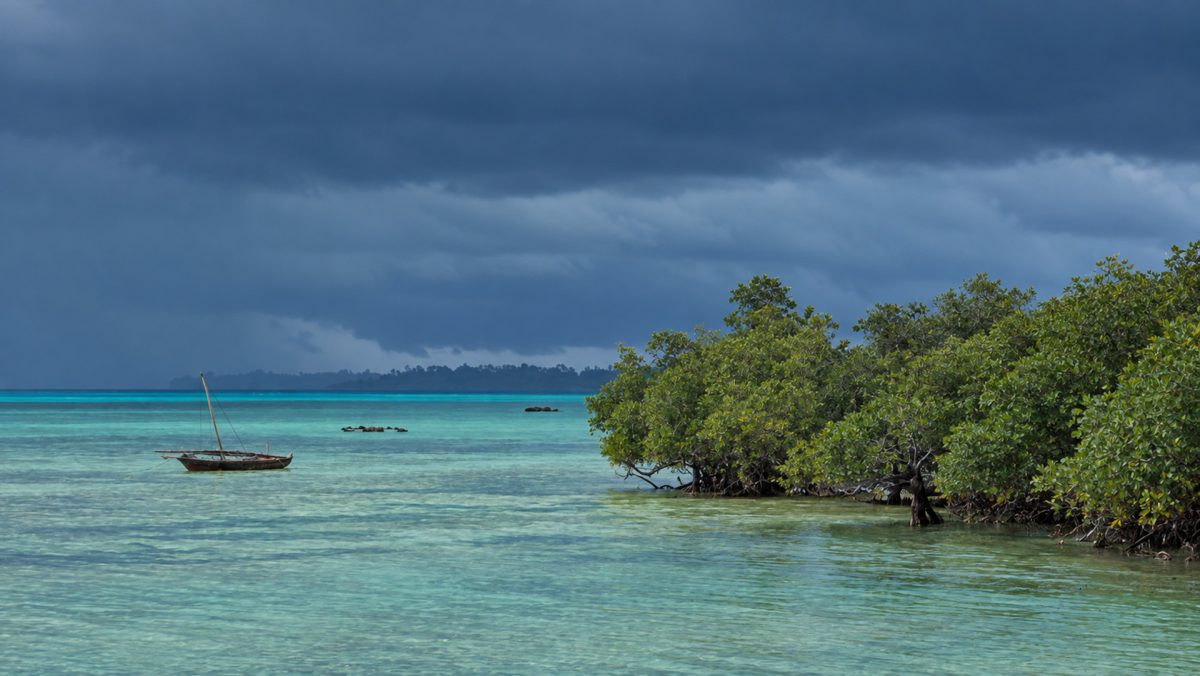
Zanzibar does not become colourless when it rains. The sea remains warm, palms shine against the dark sky and Stone Town’s old walls deepen in colour. Then the cloud moves, sunlight returns to the water and somebody who trusted a week-long weather icon wonders why they nearly cancelled.
Zanzibar during El Niño can be wetter and less predictable than the beach holiday shown in a brochure. It can also remain warm, beautiful and entirely worth taking. The useful question is not whether rain will appear. It is whether your holiday can move around it, and whether the people taking you onto the water are prepared to say no when conditions require it.
Some readers will be planning now. Others will have booked the resort, safari, flights and boat trips before El Niño was announced. Neither group should begin with panic. Begin with the parts of the trip that weather can genuinely change.
What Zanzibar’s 2026 forecast actually says
The Tanzania Meteorological Authority’s outlook for the October to December 2026 short-rains season includes Unguja and Pemba, the two main islands of the Zanzibar archipelago. It forecasts normal to above-normal rainfall for the northern coastal zone, with the rains expected to begin during the first or second week of October. Rainfall may continue into January 2027, with an increase expected during November 2026.
This fits the wider regional picture. As of September 2026, the World Meteorological Organization expects a very strong El Niño to persist through February 2027. El Niño is associated with an increased chance of wetter short rains in parts of East Africa, but every event develops differently. Other systems, including conditions in the Indian Ocean, also influence Zanzibar.
A seasonal forecast describes the balance of probability across weeks and months. It cannot tell you whether it will rain over Paje at 3pm on the fifth day of your holiday. Above-normal rainfall does not mean continuous rain, and a sunny morning does not mean the wider forecast was wrong.
Should you cancel a Zanzibar holiday because of El Niño?
Not automatically. Rain alone is not a reason to abandon an island that normally experiences seasonal rainfall. Cancellation becomes a more serious question when official authorities advise against travel, infrastructure is disrupted, your accommodation cannot operate normally or essential transport is suspended.
If none of those conditions applies, adjustment is usually more useful than cancellation. Keep boat days movable. Avoid stacking a ferry, domestic flight and international departure into one unforgiving sequence. Choose accommodation where a wet afternoon would still feel like part of a holiday rather than lost time.
Already-booked travellers should contact the hotel and tour organiser with specific questions:
- Is the access road normally reliable after heavy rain?
- Does the property have covered communal and dining areas?
- What happens when a boat excursion is cancelled for weather?
- Can activities move to another day without a new charge?
- Who monitors marine warnings before an excursion departs?
- What backup power and water arrangements does the hotel maintain?
- How much time should be allowed before the flight or ferry home?
A reply that explains the actual procedure is more valuable than “Zanzibar is always sunny.” It is also more reassuring because it tells you what will happen if the forecast changes.
A beach day and a boat day are not the same weather decision
A shower does not necessarily end a beach day. You can retreat beneath cover, have lunch and return when it clears. Even a cloudy warm day may still suit swimming, walking or reading beside the water.
A boat excursion is different. Rain reduces visibility, but wind, waves and thunderstorms can be more important to safety than the amount of water falling from the sky. Research using records from the Zanzibar and Pemba channels has linked extreme wind and significant wave conditions with marine accidents. A calm grey morning may therefore be more workable than a bright but windy one.
This is why the operator’s decision matters. A captain cancelling Mnemba snorkelling, a Safari Blue trip, diving, dolphin watching or a sunset dhow cruise is not failing to deliver the holiday. They are responding to the sea in front of them.
Do not pressure a crew to leave because the excursion is your final chance or because another boat has departed. Different vessels, routes and departure points face different conditions. Ask about rescheduling or a refund under the booking terms, then move the day inland.
The tide is not El Niño
Zanzibar’s dramatic tides are sometimes mistaken for bad weather. On much of the east coast, the sea can retreat far across the reef flat at low tide and return later in the day. That happens in dry weather too.
Astronomical tides are driven primarily by the gravitational relationship between the Moon, Sun and Earth. El Niño does not switch them on or off. Weather can affect waves, currents and the water level observed during a storm, but the island’s regular tidal cycle continues.
This distinction matters when selecting a beach. If you want to swim from the shore whenever you choose, ask how the tide affects that particular hotel. Nungwi and Kendwa are often selected for easier swimming across more of the tidal cycle. Paje, Jambiani, Bwejuu and other east-coast areas offer wide tidal landscapes and reef-flat scenery, but swimming times change more noticeably.
Do not change coasts solely because El Niño has been announced. Choose the coast according to how you like to spend a normal day, then choose a property capable of handling wetter conditions. Our Zanzibar beach stays explain the different coastal settings.
Choose the hotel for the wet afternoon you may actually have
In perfect weather, almost every beachfront property photographs well. Rain exposes the difference between a place designed only around the beach and one where it is pleasant to spend time.
Look beyond the room and pool. Is there a genuinely comfortable covered lounge? Can you eat without sitting in windblown rain? Are walkways sheltered or extremely slippery when wet? Does the room have enough space for damp clothes and wet shoes? Can the hotel arrange a driver at short notice if the beach plan changes?
Drainage and access deserve direct questions. A resort may remain dry while its approach road becomes difficult. A Stone Town hotel may have an atmospheric interior but require a walk through lanes holding temporary surface water. Ask the property what happened during recent heavy rainfall and what improvements followed.
Also examine the booking conditions. Flexible activity arrangements, a responsive front desk and several usable spaces may be worth more during an unsettled week than a room upgrade with no practical alternative to the beach.

Do not book seven rigid days inside a seven-day holiday
The easiest way to make Zanzibar during El Niño disappointing is to assign a non-refundable outdoor excursion to every morning. The forecast will then feel as though it is cancelling your holiday one day at a time.
Instead, organise possibilities rather than a fixed performance. Keep the most weather-dependent experiences, such as diving, snorkelling, sandbanks and dhow cruises, movable. Arrange only the activities that require advance booking, and ask about the operator’s weather policy before paying.
Your days can then respond to conditions:
- Clear and calm: Give priority to the boat trip, snorkelling or other activity that depends most heavily on sea conditions.
- Cloudy but settled: Swim, walk the beach, explore Stone Town or visit a spice farm without the hardest midday sun.
- A short tropical shower: Let it pass over lunch, then continue rather than declaring the day lost.
- Persistent heavy rain: Slow down, use the hotel’s covered spaces and follow local advice about roads and excursions.
Our collection of things to do in Zanzibar provides alternatives across the island, from cultural and food experiences to wildlife, water sports and boat trips. It is a menu, not a demand to fit everything into one stay.
Ferries, flights and the danger of the final tight connection
Rain does not automatically stop a ferry or aircraft. Strong wind, waves, thunderstorms, visibility and conditions at the point of departure all influence transport decisions. Services may be delayed, retimed or cancelled even when the weather at your hotel appears acceptable.
Use established, licensed transport providers and follow their operational decisions. Do not substitute an informal boat crossing because a regulated service has been suspended. If travelling by ferry, arrive with time to spare and keep medication, documents and essential electronics protected from spray and rain.
The most avoidable risk is a connection with no recovery time. A ferry or island flight arriving only a few hours before an international departure may look efficient, but it leaves one weather delay between you and a missed flight. Where the wider itinerary allows it, place a buffer before the journey home.
This matters particularly on a combined Tanzania safari and Zanzibar holiday. Protect the beach stay from a delayed arrival, and protect the international departure from a delayed island exit. If you are travelling on the mainland during the same weather event, read our practical guide to a Tanzania safari during El Niño.
What belongs in your island bag
You do not need to dress for a monsoon expedition. You need a few items that can be reached before the shower begins:
- A light, breathable waterproof jacket
- Quick-drying clothes rather than heavy denim
- Sandals with reliable grip and lightweight closed shoes
- A compact umbrella for town and hotel paths
- A dry bag for boat trips and beach days
- Water-resistant protection for passports, phones and chargers
- A power bank
- Insect repellent and light clothing that covers arms and legs
- Any regular medication in hand luggage, with extra for delays
- At least two swimsuits so one can dry while the other is used
Wet weather does not remove the need for sunscreen. Bright tropical light can return quickly, and ultraviolet exposure remains possible under cloud.
Seek personalised travel-health advice before departure. Official guidance for Tanzania, including Zanzibar, recommends mosquito-bite precautions and may recommend malaria prevention medication depending on the traveller and itinerary. Do not decide that rain either creates or removes your personal medical risk.
If you booked before the announcement, check the contract before buying another holiday
A forecast is not necessarily an insured cancellation event. Review the wording for severe weather, natural disasters, travel disruption, missed departures and abandonment. Policies differ, and cover purchased after an event became known may be treated differently from cover bought earlier.
Speak to the travel provider before cancelling independently. Ask what remains operational, what can be rearranged and what happens if official advice or transport conditions change. Request important answers in writing.
Changing the order of two excursions, adding a transfer buffer or moving to a hotel with better wet-weather facilities may solve the actual problem. Cancelling first and asking questions afterwards can create a financial problem without improving safety.
An island is allowed to have weather
Zanzibar is often sold as though its purpose is to provide an uninterrupted blue background. The real island is alive. Rain falls on clove trees and coconut palms, feeds small farms, fills water supplies and cools streets that have held the day’s heat. It belongs to the place as much as the sun does.
That does not make flooding picturesque. Heavy rain can damage homes, interrupt work and make ordinary journeys difficult for residents. Visitors should follow warnings, avoid flooded roads and drainage water, and accept cancellations without demanding that somebody else take a risk for their holiday.
But there is beauty in the change. Rain crossing the ocean can be visible before it reaches the beach. The horizon disappears behind a silver curtain, the roof begins to drum and the air cools. Later, the island smells of wet earth, leaves and spice. Dinner moves beneath cover. The evening is different, not ruined.
The best El Niño plan is not a timetable strong enough to defeat the weather. It is a holiday spacious enough to live with it. If you have already booked, send us your Zanzibar dates, hotel and transport arrangements. We can help identify the fragile connections and coordinate the island with the safari around it. If you are still planning, we can choose the coast, length of stay and transfer sequence with the wetter season in mind.