Uganda or Rwanda: Which Gorilla Trek Is Actually Right for You?
September 9, 2026
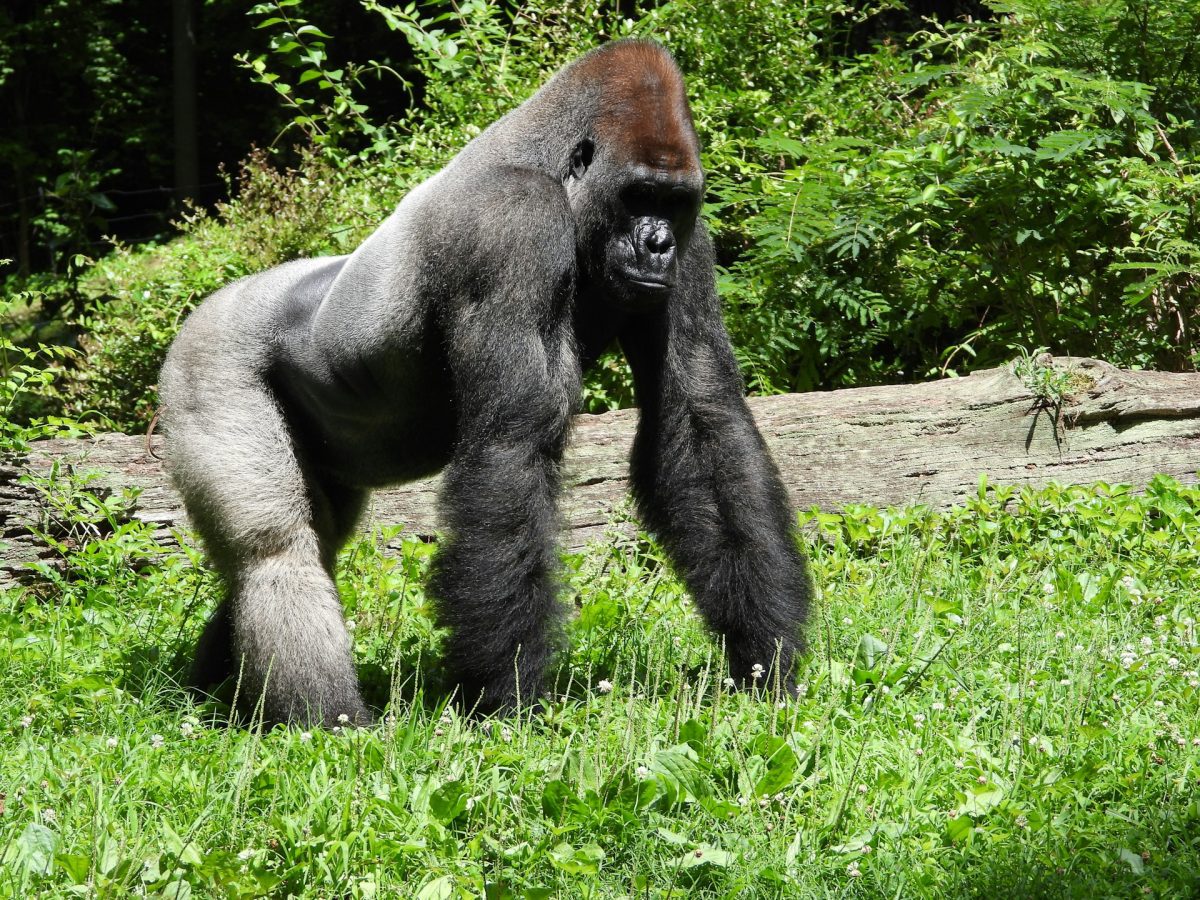
Uganda is usually the less expensive choice. Rwanda is usually the simpler one. That sounds like the entire gorilla-trekking comparison, but it is only the beginning.
The gorillas are not better on one side of the border. Uganda and Rwanda protect the same species of mountain gorilla within connected Albertine Rift landscapes. What changes is everything around the encounter: how much the permit costs, how long you spend on the road, what the forest feels like, where you sleep and what else the journey can include.
The right country therefore depends less on finding the “best” gorillas and more on deciding what kind of trip you want before and after the hour you spend with them.
The short answer
Choose Rwanda when time is limited, straightforward access matters and the gorilla trek is the central purpose of the journey. Choose Uganda when budget matters, you want a longer wildlife itinerary or the gorilla habituation experience is important to you.
| Choose based on | Uganda | Rwanda |
|---|---|---|
| Permit cost | Generally the lower-cost option | US$1,500 per person for a standard trek |
| Access | More road or domestic-flight planning | Volcanoes National Park is readily reached from Kigali |
| Trekking environment | Dense rainforest, with sector-dependent terrain | Virunga slopes with forest and bamboo zones |
| Longer safari | Strong combination of primates, game drives and boat safaris | Compact route combining gorillas, Kigali, Akagera or Nyungwe |
| Habituation experience | Available in Bwindi with a separate permit | Not offered as the equivalent visitor experience |
Do not choose based on the gorillas themselves
A mountain gorilla encounter is unpredictable in both countries. One family may rest in open vegetation while another feeds behind leaves. Young gorillas may play close to the group, or the silverback may spend much of the visit sleeping. None of this follows a national border.
Forest conditions can influence photography and visibility, but even those conditions change during a single trek. Uganda is often associated with dense, tangled rainforest and Rwanda with bamboo-covered volcanic slopes. Both descriptions can be true without predicting where a particular gorilla family will be found that morning.
Choose the country for its logistics, price and wider itinerary. Once you enter the forest, the individual gorilla family and the conditions on the day matter more than the flag on your permit.
Uganda usually wins on price
Uganda has generally priced its standard gorilla permit below Rwanda’s. That difference becomes substantial for a couple, a family with older teenagers or anyone planning two treks.
Permit pricing should still be checked before quoting or booking. The Uganda Wildlife Authority issues tariff cards and sometimes publishes separate seasonal offers, while eligibility can affect the amount charged. Rwanda’s official tourism platform currently lists its standard gorilla permit at US$1,500 per person per day, with different arrangements for qualifying residents and citizens.
The permit is not the total trip price. Accommodation, private transport, domestic flights, park sectors and the number of travel days can narrow or widen the difference. Rwanda can cost more for the trek but require fewer nights for a short itinerary. Uganda can offer better permit value while requiring more time to reach the forest.
Rwanda usually wins when time is short
Rwanda is particularly compelling when you have only three to five days. Kigali provides an efficient international gateway, and Volcanoes National Park can be combined with the capital without turning the journey into a long circuit.
A well-paced short trip might include an arrival night in Kigali, two nights near Volcanoes National Park and a final night in Kigali before departure. That leaves room for the gorilla trek, recovery time and an optional golden monkey experience without changing accommodation every day.
Our five-day Rwanda gorilla safari combines the gorilla trek with Kigali and golden monkey tracking. It works well when the primates are the purpose of the trip rather than one stop in a longer overland journey.
Uganda offers the broader wildlife journey
Uganda becomes more persuasive when you have at least ten days and want the gorillas to form one chapter of the trip. Bwindi or Mgahinga can be combined with chimpanzee tracking in Kibale, game drives and boat safaris in Queen Elizabeth National Park, or a longer route towards Murchison Falls.
That variety is also Uganda’s logistical challenge. The country is large, and road journeys should be measured in time rather than kilometres. Adding every well-known park to a seven-day itinerary produces the same problem as an overpacked Tanzania safari: the route looks impressive, but much of the holiday is spent moving.
Seven days can accommodate a focused southwestern journey. Ten to fourteen days allow the country to breathe. Domestic flights can remove some long transfers, but departure times, baggage restrictions and the chosen Bwindi sector must fit together.
Bwindi is not one trekking location
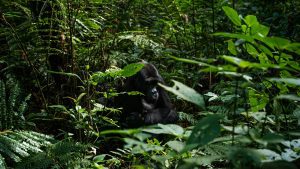
Bwindi Impenetrable National Park is divided into trekking sectors, including Buhoma, Ruhija, Rushaga and Nkuringo. The sector on the permit determines where you report for the morning briefing, so accommodation should be chosen around that assignment.
A lodge described as being “near Bwindi” may not be convenient for every sector. Booking the permit first and a beautiful lodge second can create a difficult early transfer if nobody checks the relationship between them. The permit, lodge and road route must be treated as one decision.
Mgahinga Gorilla National Park provides another Ugandan option in the Virunga Mountains. It can be particularly attractive when combining gorillas with golden monkeys or a route through the far southwest.
Which country offers the easier trek?
Neither country can guarantee an easy hike. Gorilla families move, and the trek may be short one day and demanding the next. Rain can turn firm ground into mud, while altitude, humidity and steep sections affect people differently.
Rwanda is often chosen by travellers who want the most straightforward overall logistics. That should not be translated into a promise of a gentle walk. Volcanoes National Park rises along volcanic terrain, and some family locations require a substantial climb.
Bwindi’s dense forest and steep paths have a more rugged reputation, but difficulty varies between sectors and gorilla locations. If fitness or mobility is a concern, disclose it before permits and accommodation are selected. Porters can carry bags, assist on difficult ground and provide valuable support while contributing directly to local livelihoods.
What is Uganda’s gorilla habituation experience?
The habituation experience is one of Uganda’s strongest reasons for serious primate enthusiasts to choose Bwindi. Instead of visiting a fully habituated family during a standard trek, participants accompany researchers and trackers working with gorillas that are becoming accustomed to a controlled human presence.
It allows more time around the gorillas than the standard one-hour encounter, although the day still includes tracking and the animals may remain mobile or partially obscured. More time does not guarantee easier photography. It offers a slower opportunity to observe behaviour and understand the conservation process.
The habituation permit is separately priced and limited. It should be chosen because you want the deeper experience, not simply because you assume four hours will produce four times as many photographs.
Is one gorilla trek enough?
For many visitors, yes. One successful trek delivers the encounter they travelled for. A second trek becomes worthwhile when gorillas are the principal reason for the journey, photography matters greatly or you want protection against the natural variability of the first day.
Two treks may involve different families, terrain and behaviour. They also double the permit commitment and require another morning in the itinerary. In Uganda, combining a standard trek with habituation creates a more meaningful contrast than simply repeating the same format.
What else can you do in Rwanda?
Rwanda should not be reduced to a fast gorilla stop. Golden monkey tracking adds a lively second forest experience near Volcanoes National Park. Kigali deserves time for its food, galleries and history, while Lake Kivu can slow the journey after trekking.
With more days, Akagera National Park introduces a savannah safari and boat trips, while Nyungwe offers rainforest, primates and hiking in the southwest. Rwanda’s compact scale makes it possible to combine contrasting landscapes without building the entire holiday around long transfers.
Explore our Rwanda safari options or use the East Africa travel guide to compare a gorilla trek with Tanzania, Kenya and other regional experiences.
When should you trek gorillas?
Gorilla trekking operates throughout the year. The relatively drier periods are popular because trails may be firmer, but rainforest weather never becomes completely predictable. Wetter months can mean muddier paths and more demanding footing, sometimes balanced by lower seasonal demand or special permit offers.
Permit availability may matter more than chasing a supposedly perfect weather window. If you need particular dates, a specific Bwindi sector or a small lodge, plan early. Your permit is the fixed point around which transport and accommodation should be constructed.
Check health and entry rules close to travel
Entry, vaccination, transit and return-screening requirements can change during public-health events. Do not rely on an old forum answer or a blog post for regulations. Check the immigration, health and foreign-travel guidance relevant to your nationality shortly before booking and again before departure.
This is particularly important on a multi-country itinerary. A border crossing or airport transit may create requirements that would not apply to a single-country journey.
Our verdict: Uganda or Rwanda?
Choose Rwanda for a short, polished and logistically simple gorilla-focused journey. It is especially strong when you want to fly into Kigali, trek in Volcanoes National Park and continue to another East African destination without devoting a full week to overland travel.
Choose Uganda when permit value, the habituation experience or a broader primate and wildlife itinerary matters more than speed. Give it enough days, select the Bwindi sector carefully and resist the temptation to cover the entire country in one week.
The gorillas themselves do not make the decision. Your time, budget, fitness and wider route do. Contact us to plan your gorilla trekking journey on its own or as part of a wider East African safari.