What Does Nobody Warn You About Before a Tanzania Safari?
September 30, 2026
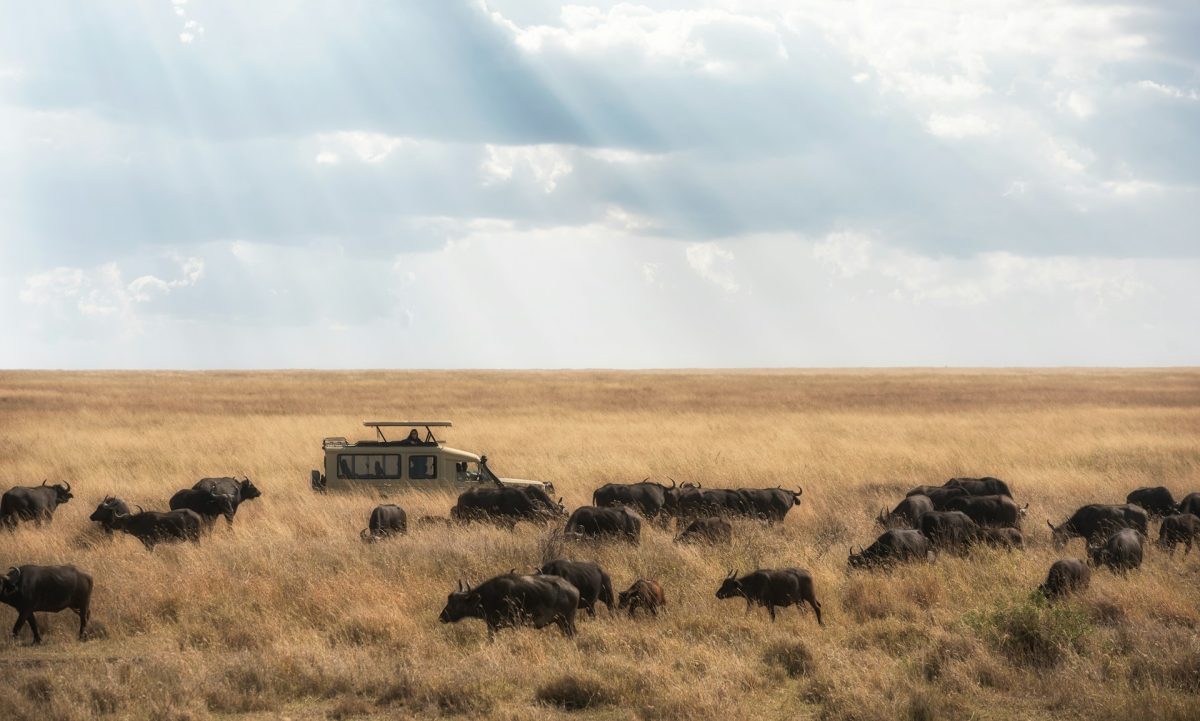
The first surprise of a Tanzania safari is often not a lion, an elephant or the sheer size of the Serengeti. It is discovering that the romantic safari photographs leave out the dust in your hair, the 5:30 a.m. alarm and the corrugated road that makes your water bottle leap out of its holder.
Most lists of things to know before a Tanzania safari cover visas, clothing and binoculars. Those details are important, but they do not fully explain what a safari day feels like. The reality is more physical, less predictable and, in many ways, far more memorable than the polished version presented in brochures.
None of the following should discourage you. These are the small realities that make the journey easier once you know they are coming.
The dust does not stay outside the vehicle
During the drier months, dust gets everywhere. It enters through the open photographic roof, settles on camera equipment and works its way into bags you were certain had remained closed.
Your face may look noticeably different by the end of a full game drive. White clothing can change colour, sunglasses acquire a fine coating and anything placed on the floor of the vehicle should be considered part of the dust collection.
A lightweight scarf or buff is useful when another vehicle passes in the opposite direction. Sunglasses protect your eyes, and a small packet of wipes makes lunch considerably more pleasant. Keep cameras inside a protective bag when you are not using them and avoid changing lenses in a moving vehicle.
The amount of dust changes with the season, recent rainfall and area. It is not constant, but it is normal.
The roads are part of the safari, not a break between attractions
Tanzania’s parks are not connected by smooth motorways. Some sections are paved, but game-viewing tracks and remote access roads can be rough, rocky, muddy or heavily corrugated.
A purpose-built 4×4 Land Cruiser handles these conditions well. Your body may need more persuasion.
Travellers with back, neck or mobility concerns should mention them before the route is designed. A driver can reduce speed, but some roads will still be uncomfortable. A small cushion or folded fleece can provide useful lower-back support.
Long drives are not necessarily empty transfers. The journey from one area to another may pass through wildlife habitat, villages, highlands and changing landscapes. However, an itinerary with a different lodge every night can become tiring surprisingly quickly.
When comparing Tanzania safari planning options, look at the number of full game-drive days rather than counting only the destinations listed.
The mornings can be genuinely cold
Tanzania sits close to the equator, which leads many first-time visitors to pack as though every hour will be hot.
Before sunrise, the Serengeti can feel cold in an open-roof vehicle. Ngorongoro’s higher elevation can make mornings and evenings cooler still. Wind enters through every opening as the vehicle begins moving.
A few hours later, you may be removing layers under a strong midday sun.
The useful solution is not a heavy winter coat. Pack light layers that can be removed as the temperature rises: a long-sleeved shirt, fleece, light windproof jacket and, for travellers who feel the cold easily, a warm hat.
The temperature changes are one reason the best time to visit Tanzania cannot be reduced to a single weather description. Month, altitude, region and time of day all matter.
Early starts are not an attempt to exhaust you
The knock on the tent may come while the sky is still completely dark. Coffee appears, breakfast is packed and the vehicle leaves before your body has agreed that morning has begun.
There is a reason for it. The cooler hours around sunrise can produce active predators, beautiful light and wildlife moving before the heat of the day. Leaving early can also put you ahead of vehicles departing from more distant camps.
Not every morning must begin at dawn. On a private safari, the day can be adjusted around your interests and energy. But if you repeatedly choose a late breakfast over an early drive, you may miss the hours your guide considers most productive.
A good compromise is to alternate. Take an early drive on important wildlife days, then allow a slower morning when travelling between regions or spending several nights in one place.
A full game-drive day is longer than it sounds
Eight hours in a safari vehicle is not the same as eight hours in an office, but it is still eight hours of sitting, concentrating, scanning and absorbing new information.
You may leave camp after breakfast with a picnic lunch and return close to sunset. The day can include thrilling sightings, quiet periods, long conversations with your guide and stretches when the landscape seems to contain nothing at all.
By the fourth or fifth day, some travellers are surprised by how tired they feel. Safari fatigue is real. It is possible to become temporarily less excited by the sight of another zebra, however ungrateful that sounds.
Build breathing space into the itinerary. Three nights in one Serengeti region are often more restful than changing camps daily. A pool, terrace or afternoon at the lodge can restore the excitement rather than subtract from it.
Wildlife sightings include a lot of waiting
Nature documentaries remove the hours when nothing happened. A safari puts those hours back in.
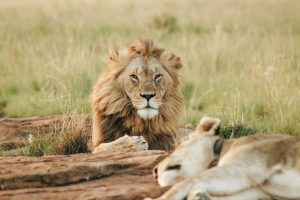
A leopard may remain hidden in long grass. A pride of lions can sleep through the entire afternoon. Wildebeest gathering beside a river may look ready to cross, then turn around for reasons known only to them.
The most memorable sightings often reward patience. A parked vehicle is not necessarily wasting time. Your guide may have noticed behaviour suggesting that something is about to change.
Ask why you are waiting. Once you understand the tracks, alarm calls, wind direction or animal posture being observed, the quiet becomes part of the experience.
Specific sightings are never guaranteed. A Serengeti safari is rewarding because the environment is alive and unscripted, not because the animals perform according to an itinerary.
Bathroom planning becomes a normal conversation
First-time visitors often worry about bathroom stops but feel too embarrassed to ask.
There are proper toilets at lodges, camps, park gates, visitor centres, airstrips and many designated picnic areas. On a long drive, however, the next facility may not be nearby.
If you need to stop, tell your guide early. The guide can identify an appropriate designated facility or, when necessary and permitted, a safe place for a private bush stop. Never leave the vehicle without the guide’s approval. Wildlife can be difficult to see even when it is nearby.
Carry toilet tissue, hand sanitiser and a small disposal bag in your daypack. These items take almost no space and can rescue an otherwise uncomfortable afternoon.
An unfenced camp has rules that initially feel unusual
Many safari camps are unfenced. Wildlife can move through the property, particularly after dark.
Once night falls, guests may be required to call or wait for an escort before walking between their tent and the dining area. This is not theatre created for visitors. Animals genuinely use the same paths and open ground around the camp.
Do not step outside because you heard something near the tent. Do not wander towards a pair of shining eyes with a phone. Contact the camp staff and follow their instructions.
Inside the tent, the sounds can be remarkable. Zebras graze noisily, hyenas call and lions may sound much closer than they actually are. Canvas does very little to mute the night.
Light sleepers should pack earplugs, although many travellers eventually decide that the night sounds are too extraordinary to block out.
A “tent” may have a better bathroom than your hotel
The word tent creates unnecessary panic. Many permanent and seasonal safari tents contain proper beds, furniture, flushing toilets and private showers. Some are closer to canvas-walled hotel suites than conventional camping.
Other camps are intentionally simple. Hot water may be provided at requested times, electricity may come from solar systems and charging may be limited to the main lounge.
Neither style is automatically better. The important thing is knowing what has been booked. Confirm whether the bathroom is private, whether the shower has continuous hot water and whether cameras can be charged inside the room.
If accommodation decisions are becoming confusing, remember that location and daily routine can be more important than labels. A well-positioned tented camp may produce a stronger safari than a more elaborate lodge far from the day’s wildlife area.
Internet access may disappear, and that can affect more than social media
Mobile coverage has improved in parts of Tanzania’s safari circuit, but it remains inconsistent. Wi-Fi at a remote camp may work only in a central lounge, slow down when everyone connects or disappear during poor weather.
Download travel documents, insurance information, airline confirmations, books, music and offline maps before leaving Arusha. Keep screenshots of essential contacts and flight details.
Tell family members that silence does not necessarily indicate a problem. Sometimes it simply means the signal has disappeared and the camp’s elephant visitors are more reliable than its internet.
Charging becomes a nightly routine
A safari produces more photographs than most travellers expect. Cameras, phones and power banks can drain quickly, particularly when recording video or using screens at maximum brightness.
Some vehicles have charging points, but these should not be your only plan. Carry spare batteries and a reliable power bank. Charge everything whenever electricity is available rather than waiting until devices are nearly empty.
Different camps may use different plug arrangements. A universal adapter reduces the need to investigate every property individually.
Keep batteries and memory cards in your daypack rather than checked luggage or a suitcase packed at the back of the vehicle.
Tsetse flies can be more annoying than mosquitoes
Not every park or season has a serious tsetse problem, but they can occur in wooded areas of destinations such as Tarangire and parts of the Serengeti.
Their bite is noticeable, and they can be persistent around a moving vehicle. Dark blue and black are commonly avoided in affected areas because these colours are used in some tsetse-control traps.
Neutral-coloured, lightweight clothing is practical, but there is no need to purchase an entirely new safari wardrobe. Long sleeves, insect repellent and listening to your guide’s local advice are more useful than dressing like a film character.
Discuss recommended vaccinations, malaria prevention and personal medical needs with a qualified travel-health professional before departure.
The food is often more generous than expected
Travellers sometimes arrive with emergency snack collections large enough for an expedition. Most lodge and camp safaris provide substantial meals.
Breakfast may be served before a drive or packed for the bush. Lunch might be a picnic box or a full meal at camp. Dinner is often several courses, even in a remote location.
The real challenge can be eating too much while spending long hours seated in a vehicle.
Tell the operator about allergies and dietary requirements before arrival. Vegetarian, vegan, gluten-free and other diets can normally be accommodated, but remote camps need advance notice to bring the correct supplies.
Small safari airports require a different kind of patience
Bush flights do not always operate like major commercial routes. An aircraft may make several stops, schedules can shift and the “airport” may consist of a gravel airstrip, a small shelter and a windsock.
Soft-sided luggage is usually more practical because bags must fit into limited storage compartments. Weight restrictions should be checked for the specific airline rather than assumed.
Your lodge transfer may wait beside the runway rather than behind an arrivals desk. Baggage is often handed directly from the aircraft to the waiting vehicle.
This informality does not mean the process is disorganised. It is simply a transport system designed for remote places. Keep medication, documents, valuables and one change of essential clothing in your hand luggage.
Your guide needs to know what you care about
A guide cannot read your mind. If you love birds, want to photograph elephants, prefer fewer vehicles or are especially interested in animal behaviour, say so.
Also mention practical concerns. Tell the guide if the road feels too rough, you need a bathroom, you are cold or you would rather return to camp. Silence is often interpreted as satisfaction.
The strongest safari days develop through conversation. Your guide learns your rhythm, while you begin to understand why certain roads, stops and waiting decisions are being made.
A private vehicle makes this easier because the day does not have to balance the priorities of unrelated travellers.
Tipping requires advance planning
Guides and camp staff are usually tipped separately, and cash remains the most practical method in many locations.
Do not wait until the final morning to calculate what you need. Set aside the appropriate amount before leaving Arusha and keep it in a secure place.
Our Tanzania safari tipping guide explains typical arrangements for driver-guides, lodge teams, camp staff and additional specialists.
Tipping is generally separate from park fees and the main safari quotation, so it should appear in your personal budget even when the trip is described as inclusive.
The quick reality check
| Expect | Bring or do |
|---|---|
| Cold starts and warm afternoons | Wear removable layers |
| Dust on dry roads | Carry a buff, sunglasses, wipes and camera protection |
| Long, uneven drives | Choose a sensible route and mention physical concerns |
| Limited bathroom access | Tell the guide early and carry basic supplies |
| Inconsistent Wi-Fi | Download important information before departure |
| Unfenced camps | Use the escort and follow camp instructions |
| Unpredictable wildlife | Bring patience rather than a sightings checklist |
The practical verdict
A Tanzania safari is not difficult, but it is different from a conventional holiday. You will wake earlier, sit longer, get dustier and surrender more control to weather, wildlife and distance.
In return, you may drink coffee while the plains brighten, hear lions beyond the canvas and watch an ordinary patch of grass become the scene of something completely unexpected.
Prepare for the physical realities without trying to remove all of them. The rough roads, dark camp walks and quiet hours are not flaws around the edges of the safari. They are part of being somewhere genuinely wild.
If you want a route that balances wildlife time with realistic driving and enough rest, explore our Tanzania safari itineraries. When you are ready, we can tailor a Safari Tanzania experience around your dates, comfort preferences and travel pace.