The Safari Package Looks Easier. Here Is What It Quietly Decides for You
October 7, 2026
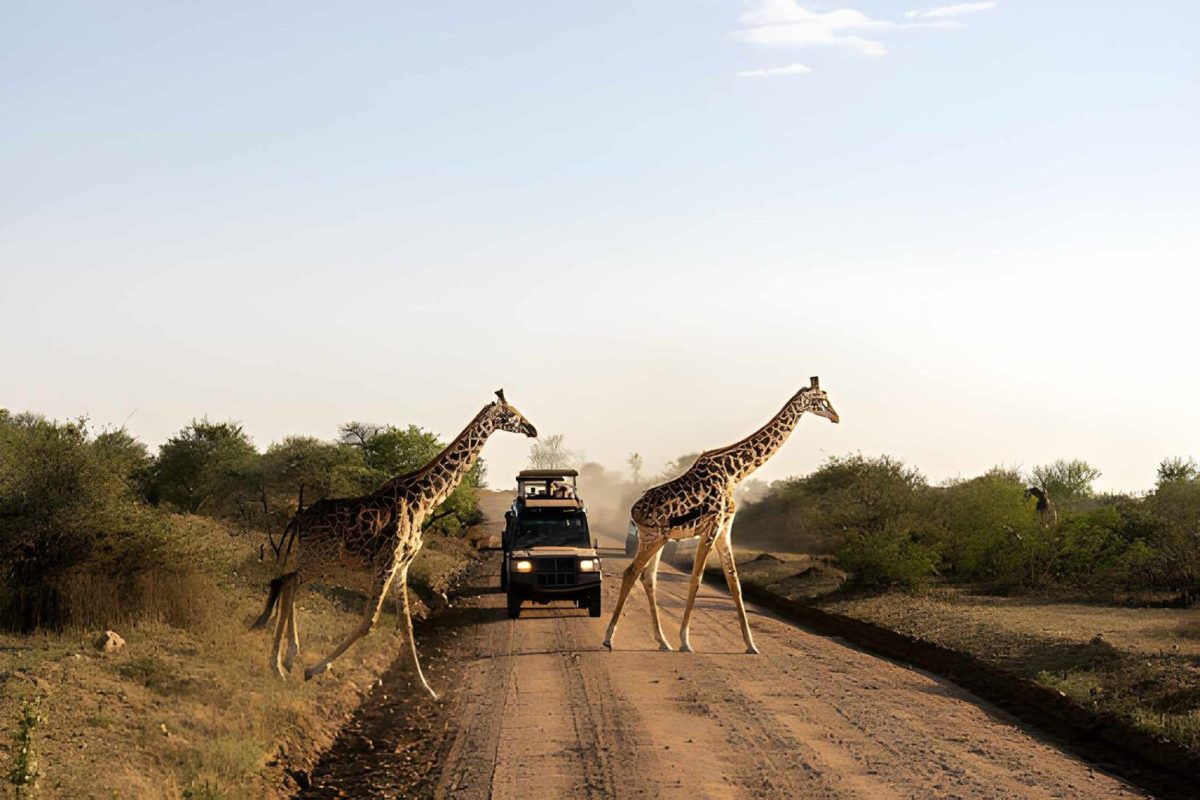
You have found a safari with the right parks, a comfortable looking camp and a neat price. Booking it seems like the sensible shortcut. But the list of destinations is only the surface of the trip. Someone has also decided how long you will spend getting between them, where your vehicle sleeps each night and how much freedom you have when wildlife appears. Those choices can shape your holiday more than another star on the accommodation listing.
A ready-made itinerary can save you hours of planning. Before you book, it is worth finding out which decisions it has already made for you.
The route chooses your hours, not just your parks
Two proposals can both promise the Serengeti and Ngorongoro while delivering very different days. One might give you a full day to follow sightings; another may count a long drive into the Serengeti as a safari day and send you onward the next morning. The park list is identical. Your time in the bush is not.
Look at each day and ask: is it mainly a transfer, a mixed travel and game drive day, or a full wildlife day? Then check whether the route ends with a long road return or a flight. Flying may add to the quote, but it can protect a day you would otherwise spend retracing the road.
The camp address changes the morning
A beautiful camp can be a poor match if it sits far from the area you want to explore. You may spend your best early light driving towards the wildlife rather than looking for it. A simpler camp in a more useful location could give you more time at sightings.
Ask for the proposed camps by name and location, not only a category such as “luxury” or “mid-range”. If a camp is listed as “or similar”, ask what the alternatives are and whether switching would change the route, travel time or price. This matters especially when you hope to explore a particular area during a particular season. No camp can guarantee where wildlife will be on your dates.
Who controls the vehicle and the clock?
“Guided safari” does not tell you whether the vehicle is private, how many people share it, or whether the same guide travels with you through the main road circuit. In a shared vehicle, the group must agree when to leave, how long to watch and when to return. That can be excellent value if you enjoy company and a set timetable. It is less helpful if one person wants an hour photographing birds while another wants to move on.
With a private vehicle, you can shape the pace with your guide within park rules and practical limits. That freedom is particularly useful for families, photographers and travellers who would rather spend longer in fewer places. Ask exactly which days have a dedicated guide and vehicle, and whether any flights, transfers or activities use shared services.
Compare the decisions before the totals
A lower quote may be the right choice. It may also leave out a park fee, an internal flight, an arrival transfer, meals or an activity that appears in the description. Ask for a day-by-day inclusion list and the cost of any change you are likely to request. Compare the same room level, time in the parks, vehicle arrangement and transport before deciding which trip offers better value.
If a published route matches your dates, pace and interests, there is no reason to change it simply to call it custom. Browse a few Tanzania safari itineraries, then ask what can be adjusted and what each change would cost. The best package is the one whose quiet decisions you would have made yourself.