What Must Travel Insurance Cover for a Tanzania Safari and Kilimanjaro?
October 3, 2026
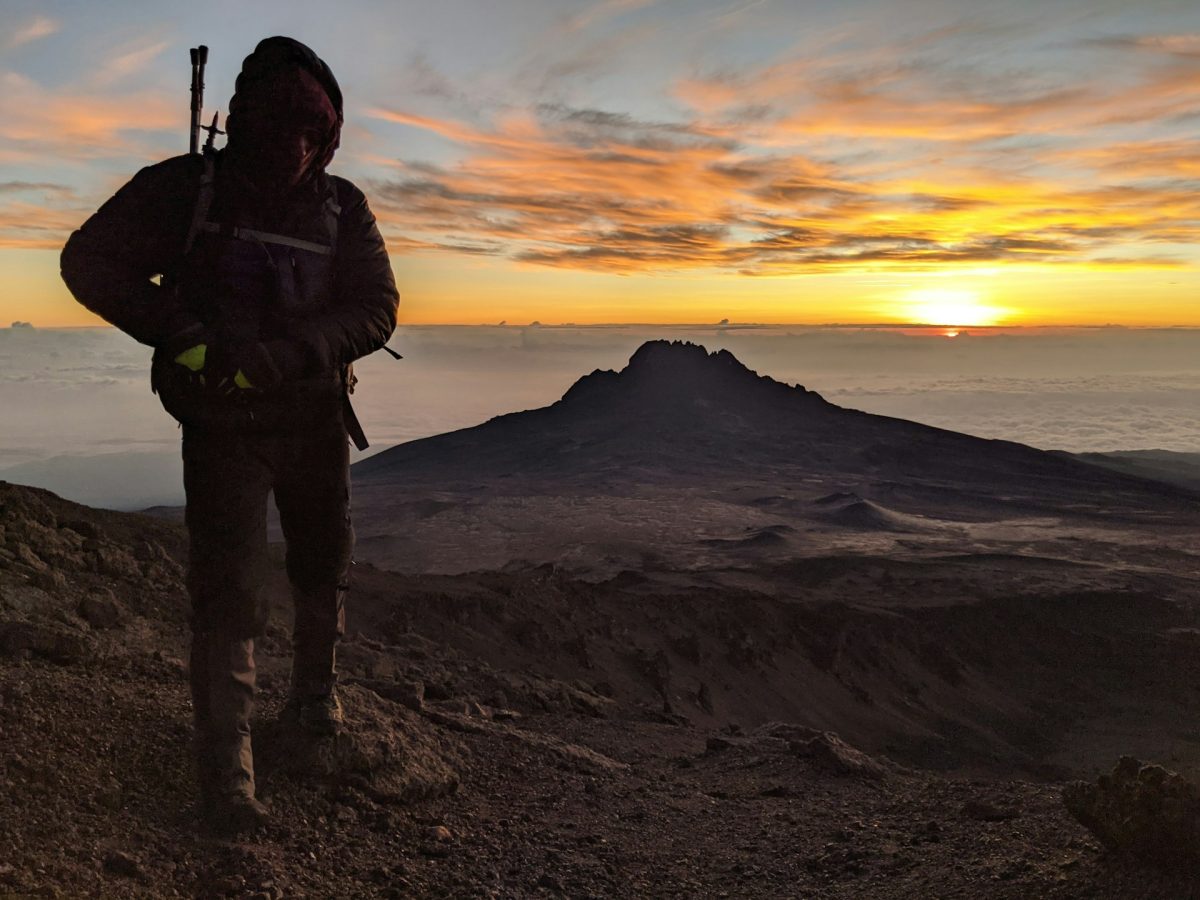
A travel insurance policy can cover Tanzania and still exclude the main reason you are going. That is particularly important when your holiday combines remote safari parks with a trek to the highest point in Africa.
The right Tanzania safari and Kilimanjaro travel insurance needs to cover more than cancelled flights and missing luggage. It should recognise the activities in your actual itinerary, including high-altitude trekking, emergency treatment, evacuation from a remote location and the non-refundable cost of abandoning part of the trip.
Do not judge a policy by its marketing summary. The useful information is normally buried in the policy wording, benefit limits and exclusions.
First, separate mandatory inbound insurance from comprehensive travel insurance
Tanzania’s locally required inbound insurance and your own comprehensive travel policy perform different jobs.
From 1 October 2026, international visitors entering Mainland Tanzania are expected to purchase the required local inbound cover under the announced regulations. Zanzibar operates its own mandatory inbound insurance system. Travellers should check the latest official instructions for their first point of entry shortly before departure, particularly when an itinerary includes both the mainland and Zanzibar.
The local policy provides a basic safety net for specified emergencies during a limited stay. It should not automatically be treated as a substitute for a comprehensive policy purchased in your country of residence.
Your private policy may provide higher medical limits, cancellation protection, coverage for unused arrangements, protection for connecting flights and activity-specific cover for climbing Kilimanjaro. In practice, some travellers will need both policies.
Entry requirements can change, so verify the current rules before travelling rather than relying on an old confirmation email or social media post.
The quickest way to test a policy
Start with your complete itinerary. If you are combining a Tanzania safari itinerary with Kilimanjaro, Zanzibar or internal flights, give the insurer those details in writing.
| What to check | What the policy should confirm | Common problem |
|---|---|---|
| Destination | Mainland Tanzania and Zanzibar, if both are included | Assuming every regional policy includes both |
| Activity | Guided trekking on Kilimanjaro | A general hiking benefit with an unsuitable altitude limit |
| Altitude | Cover to at least 5,895 metres | Cover ending at 3,000 or 5,000 metres |
| Emergency response | Treatment, rescue and evacuation from a remote area | Medical treatment covered but mountain rescue excluded |
| Trip costs | Cancellation, curtailment and interruption up to the amount paid | A benefit limit lower than the non-refundable trip cost |
Kilimanjaro must be covered by name, activity and altitude
Mount Kilimanjaro reaches 5,895 metres. Although the established routes are normally described as non-technical treks, insurers may still classify the climb as an adventure activity, high-altitude trek or mountaineering activity.
The terminology matters. A policy that includes walking, hiking or trekking does not necessarily cover every altitude.
Ask the insurer to confirm in writing that the policy covers:
- Guided trekking on Mount Kilimanjaro
- The route and maximum altitude of 5,895 metres
- All trekking days, including the summit attempt
- Emergency treatment for altitude-related illness
- Search, rescue and evacuation from the mountain
- Any camping involved on your selected route
Do not rely only on a statement such as “trekking is included.” An altitude limit hidden elsewhere in the policy could still leave the summit section outside the cover.
You can review the routes and practical character of the climb on our Kilimanjaro National Park guide before describing the activity to your insurer.
Medical treatment is only one part of the emergency
High medical limits are important, but they do not answer every question. A useful policy should explain what happens before you reach a hospital.
On Kilimanjaro, a traveller may first need assistance descending the mountain. During a safari, an illness or injury may occur several hours from an appropriately equipped medical facility. The relevant cover may therefore include rescue, ground transportation, an air ambulance or a medically necessary transfer to another city or country.
Ask whether emergency transport must be authorised in advance. Many insurers require the traveller, guide, operator or treating facility to contact their assistance team before arranging an expensive evacuation. In a life-threatening situation, immediate care naturally comes first, but the insurer should still be contacted as soon as reasonably possible.
Keep the insurer’s emergency number somewhere accessible without internet. Your guide or travelling companion should also know where to find it.
Do not assume helicopter evacuation is guaranteed
“Evacuation covered” and “a helicopter will collect me” are not the same promise.
The method of evacuation depends on your location, weather, medical condition, available services and the decision of the rescue and medical teams. A descent may involve a stretcher, rescue vehicle, ambulance or aircraft at different stages. Helicopter operations can also be affected by visibility and other operational conditions.
The insurance question is whether medically necessary rescue and transport are covered, not whether one particular aircraft is guaranteed.
Ask the insurer to distinguish among:
- Search and rescue expenses
- Evacuation from the trail or mountain
- Transport from the park to a medical facility
- Transfer to a better-equipped hospital when medically necessary
- Repatriation to your home country
If the answers remain vague, ask for the relevant policy clauses rather than accepting a verbal assurance.
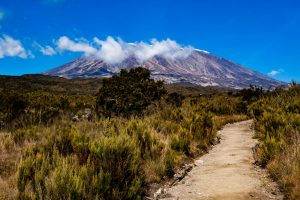
A safari creates a different set of insurance questions
A standard wildlife safari does not have Kilimanjaro’s altitude problem, but it does involve distance, uneven roads and time in relatively remote areas.
Serengeti camps, for example, can be a long drive from major medical facilities. Some itineraries include light-aircraft flights with strict baggage limits, while others cover substantial distances by road. A policy should account for the journey you have booked rather than treating it like an ordinary city break.
Useful Tanzania safari insurance should cover emergency medical treatment, evacuation from remote regions, repatriation and the full prepaid value of the holiday. It should also cover any existing health conditions that the insurer has accepted.
If this is your first visit, our first Tanzania safari guide will help you identify the transport, accommodation and activities that need to be disclosed.
Cancellation cover should match what you could actually lose
A Kilimanjaro and safari holiday may include international flights, park fees, internal flights, private transport, mountain crews, accommodation and permits. Several of these costs can become non-refundable as departure approaches.
Add up the full prepaid amount for every traveller and compare it with the policy’s cancellation limit. A policy with a low headline price may be poor value if its maximum benefit covers only part of the trip.
Check the circumstances in which cancellation or curtailment applies. These may include specified illness, injury, bereavement or another event listed in the policy. Changing your mind, becoming worried about the climb or deciding that the weather looks unfavourable will not normally be enough on their own.
Trip interruption also deserves attention. If you become unwell after the journey has begun, will the policy cover unused accommodation, a missed safari section, revised flights or an early return home? The answer depends on the wording and whether the interruption was caused by an insured event.
Weather cover has limits
Rain does not automatically trigger an insurance claim. Tanzania continues operating through seasonal showers, and itineraries can often be adjusted without cancelling an entire trip.
Cover is more likely to depend on a defined event, such as the cancellation of a transport service, the closure of an airport or an official restriction. The definitions and delay periods vary between policies.
If travelling during an unusually wet cycle, read our practical guide to a Tanzania safari during El Niño. It explains the operational side of wet-weather travel, which insurance alone cannot solve.
Remember internal flights, connections and baggage
A safari may involve separate airline tickets and light-aircraft sectors. If an international delay causes you to miss a separately booked flight, the airline may not be responsible for the replacement.
Look for missed-departure and travel-delay cover that works with separate tickets. Check the required connection time and the documents needed to make a claim.
Baggage cover should also reflect what you are carrying. Standard limits for individual items can be low, particularly for cameras, lenses, binoculars and trekking equipment. Some policies exclude valuables placed in checked baggage or left unattended.
If your journey finishes on the coast, confirm that the same policy covers the complete trip rather than ending after the climb. This is particularly relevant for a combined Tanzania safari and Zanzibar holiday.
Pre-existing medical conditions must be handled honestly
Declare any condition the insurer asks about, even if it is stable or controlled. This can include recent treatment, medication, previous surgery and ongoing investigations.
Do not assume that a condition is irrelevant because it has never prevented you from travelling. An insurer may refuse a related claim if required information was not disclosed.
Kilimanjaro climbers should also discuss health concerns with an appropriately qualified medical professional. Insurance does not determine whether a person is medically suited to high altitude, and having cover does not make an unsafe climb safe.
Exclusions worth reading twice
Most disputes begin with an exclusion that the traveller did not notice. Pay particular attention to:
- Altitude limits
- Adventure activity and trekking exclusions
- Undeclared medical conditions
- Travel against medical advice
- Alcohol or drug-related incidents
- Failure to follow safety instructions
- Unattended baggage and valuables
- Known events announced before the policy was purchased
- Travel to an area covered by an official government warning
- Claims made without the required evidence or authorisation
Government travel advice is especially important because travelling against official advice can invalidate some policies. Check the advice issued by your own government immediately before departure.
Eleven questions to send to the insurer
- Does this policy cover travel throughout Mainland Tanzania and Zanzibar?
- Does it cover a guided Kilimanjaro trek to 5,895 metres?
- Is the summit attempt covered, not only the lower sections?
- Are altitude sickness and related treatment covered?
- Does it include search and rescue from the mountain?
- Does it cover emergency evacuation from remote safari parks?
- When is pre-authorisation required?
- Are medical evacuation and repatriation separate benefits?
- Does the cancellation limit cover the full non-refundable trip cost?
- Are separately booked internal flights and missed connections covered?
- Which medical conditions, activities or circumstances are excluded?
Keep the insurer’s written response with your policy documents. If an answer conflicts with the policy wording, ask the insurer to clarify which document takes precedence.
What to carry during the trip
Save digital copies of your policy certificate, policy wording, emergency assistance number and any written confirmation concerning Kilimanjaro. Carry an offline copy as well.
It is also sensible to keep your policy number, passport details, emergency contact and relevant medical information together. Leave a copy with someone at home.
If you need to make a claim, collect medical reports, itemised invoices, receipts, airline reports and police documentation where applicable. Contact the insurer promptly and follow its claims procedure.
The practical verdict
A suitable policy should cover the holiday you have actually booked, not an approximate version of it. For a wildlife-only journey, that means realistic medical, evacuation, cancellation and interruption protection. For Kilimanjaro, it also means explicit trekking cover to at least 5,895 metres, including rescue and treatment for altitude-related illness.
The most valuable sentence you can receive from an insurer is a written confirmation that your exact route, altitude and activities are covered.
Once that cover is in place, you can discuss your safari and Kilimanjaro itinerary with us, including the route, internal transport and accommodation details your insurer may need.
This guide provides general travel-planning information and is not financial, legal or medical advice. Policy wording, entry rules and insurance requirements can change. Confirm current requirements with the relevant authorities and obtain advice from your insurer before travelling.