81 Things to Do in Zanzibar
September 7, 2026
Zanzibar gets sold as a beach postcard, and it is one, but the island holds far more than sun loungers. Between the north coast’s new wave of adventure activities, Stone Town’s centuries of layered history and a coastline still shaped by dhows, spice farms and fishing villages, there is enough here to fill two weeks without repeating a day.
Most of these experiences take place on Unguja, the main island commonly called Zanzibar. The final two require a separate journey to Pemba. This collection of eighty-one things to do in Zanzibar is a menu rather than an itinerary, organised to help you choose the experiences that fit where you are staying and how you actually want to travel.
Where to find the best Zanzibar activities
| Where you are staying | Experiences that fit naturally |
|---|---|
| Stone Town | Historic walks, markets, rooftop dinners, spice farms and dhow cruises |
| Nungwi or Kendwa | Skydiving, water sports, water bikes, horse riding, Tumbatu, Mnemba, fishing and sunset cruises |
| Paje, Jambiani or Bwejuu | Kitesurfing, reef walks, caves, surfing, seaweed farms and cooking classes |
| Kizimkazi or the south | Menai Bay, Jozani, Uzi Island, Kizimkazi Mosque and responsible dolphin watching |
| Pemba Island | Wall diving, flying foxes and a quieter island experience |
Tides and travel times matter. An activity that is ten minutes from your hotel may make more sense than a famous alternative two hours away. Our Zanzibar beach stays cover the different characters of the north, east and south coasts.
Adventure and adrenaline
Kendwa, Nungwi and the southeast coast now offer considerably more than swimming. Some experiences welcome beginners, while others depend on weather, fitness, age or previous qualifications. Confirm the operating conditions and insurance arrangements before booking.
- Skydive over Kendwa Beach. Make a tandem jump from approximately 10,000 feet and descend towards Zanzibar’s northern coastline.
- Paraglide above Paje. Take to the air when suitable winds and a qualified local operator are available.
- Try flyboarding. Use water-propelled boots to rise above the sea under an instructor’s supervision.
- Take an underwater SeaWalk. Wear an air-supplied helmet and walk on a submerged platform near Nungwi without needing a diving certification.
- Ride a Jet Car. Drive a car-shaped personal watercraft at Kendwa, with drone footage available from some operators.
- Quad bike inland. Follow guided ATV routes through northern villages, plantations and rural tracks.
- Kitesurf at Paje or Jambiani. Learn in the southeast coast’s shallow lagoon or take an advanced session farther offshore when conditions are suitable.
- Parasail above the north coast. Rise behind a boat for a broad view over Nungwi or Kendwa.
- Ride a jet ski. Book a supervised session from Nungwi or Kendwa, subject to sea conditions.
- Explore independently by motorbike. Only rent if you have the correct licence, appropriate insurance and confidence riding on unfamiliar roads.
- Pedal a water bike at Kendwa. Ride a pedal-powered water bike across the surface of the lagoon, with no engine and no previous water-sports experience required.
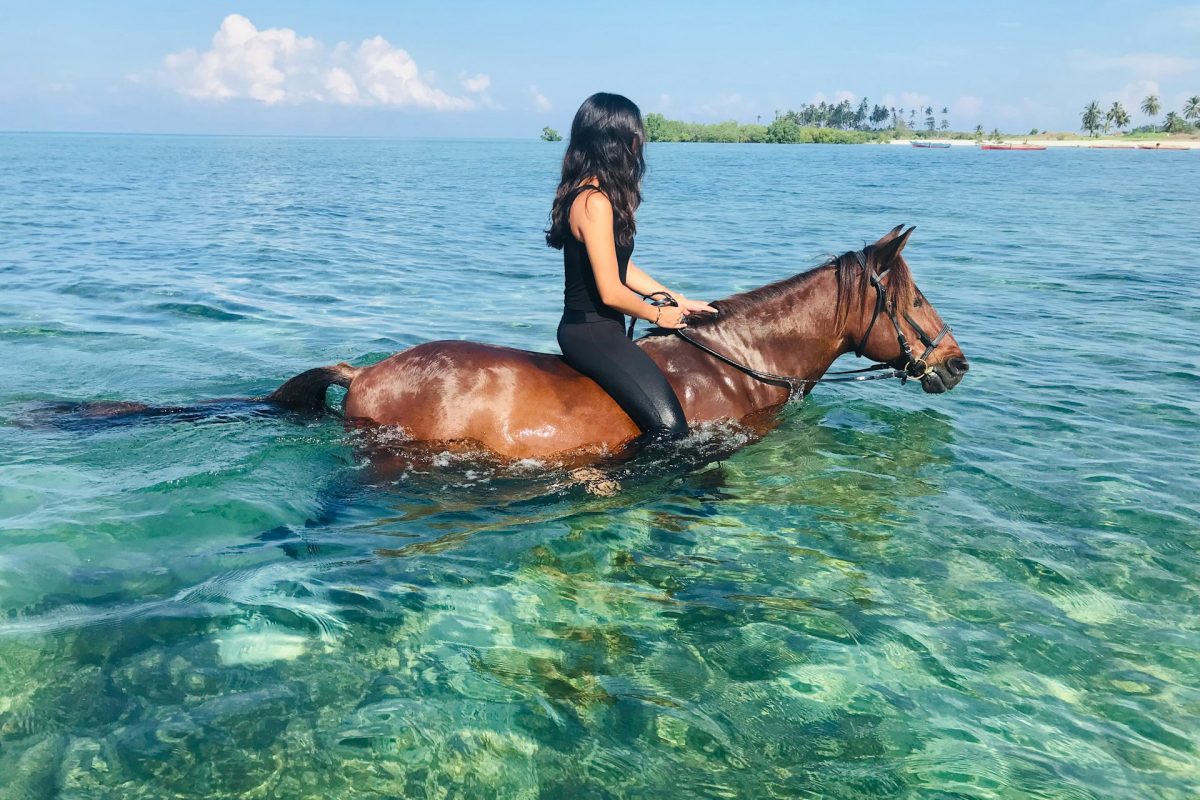
- Ride a horse along the beach. Choose from guided beach and forest rides, with ocean sessions offered by some riding centres.
If these are your priorities, our north coast Zanzibar itinerary provides a practical base around Nungwi and Kendwa.
On and in the water
Zanzibar’s reefs and lagoons reward slow exploration as much as speed. Conditions vary with the tide, wind and season, so a good operator should be willing to adjust the site rather than force the original plan.
- Walk the reef at low tide. Explore the exposed reef flats around Bwejuu or Matemwe with a knowledgeable guide, reef shoes and a strict no-touching approach.
- Kayak through the mangroves. Paddle through sheltered channels around places such as Uzi Island and Menai Bay.
- Paddle a clear kayak. See the shallow lagoon below you while photographers capture the experience from shore or by drone.
- Try stand-up paddleboarding. Choose a calm lagoon on the north or east coast and time the session around the tide.
- Snorkel or dive near Mnemba. Explore the marine conservation area surrounding the privately occupied island, usually by boat from Matemwe or the northeast coast.
- Snorkel Chumbe Island Coral Park. Visit the protected reef south of Stone Town on a limited day trip or as an overnight guest.
- Swim and snorkel at Blue Lagoon. Visit the shallow coral garden near Dongwe and Michamvi, where reef fish and starfish may be seen. Leave all marine life in the water.
- Snorkel or dive around Tumbatu Island. Explore coral gardens off Zanzibar’s northwest coast as a quieter alternative to the island’s busiest boat routes.
- Explore Menai Bay Conservation Area. Book a dedicated snorkelling trip through the southwest’s reefs, mangroves, sandbanks and small islands.
- Catch a wave at Dongwe or Jambiani. Zanzibar has a small surf scene centred on offshore reef breaks such as Dongwe Doughnuts and J-Box. Go with a specialist surf operator because conditions and access vary.
- Go night snorkelling. Specialist and overnight programmes occasionally offer guided night sessions, including at Chumbe, when conditions allow.
- Go deep-sea fishing. Join a half-day or full-day charter from the north coast and confirm which fishing methods the operator uses.
- Cycle the coastline. Use a bicycle or fat-tire bike to explore beaches and villages at a slower pace than travelling by vehicle.
The lagoons, reef walks and water sports in this section fit naturally into an east coast Zanzibar holiday.
Boat trips and sea excursions
- Join the Safari Blue dhow trip. Spend a day sailing from Fumba through Menai Bay, with snorkelling, sandbanks and a seafood lunch. Dolphins may occasionally be seen, but sightings are never guaranteed.
- Take a sunset dhow cruise. Sail from Stone Town, Nungwi, Kendwa or another coastal base as the afternoon light changes over the Indian Ocean.
- Charter a private catamaran near Mnemba. Arrange a private sailing and snorkelling trip around the northeast coast instead of joining a larger group excursion.
- Watch dolphins responsibly at Kizimkazi. Choose an operator that keeps its distance, avoids surrounding dolphins and never promises touching or swimming with them.
- Spend an afternoon on Nakupenda Sandbank. Take a boat from Stone Town for swimming, seafood and time on the sandbank before the tide changes.
Wildlife and nature
Wildlife attractions require more judgment than an ordinary sightseeing tour. We favour encounters that allow animals to behave naturally. Before visiting a captive facility, ask how animals arrived there, whether releases are documented and whether touching or feeding is encouraged.

- Meet Zanzibar red colobus monkeys in Jozani. See a primate endemic to Unguja during a guided walk through Jozani Chwaka Bay National Park.
- Visit the turtle lagoon near Nungwi. Baraka Natural Aquarium offers close encounters with sea turtles. Investigate its current care practices and choose observation over touching, feeding or crowded swimming sessions.
- Cool off in Kuza Cave. Swim in the freshwater limestone cave near Jambiani and explore its small cultural centre.
- Visit Salaam Cave. This cave attraction near Kizimkazi offers captive turtle encounters. Apply the same animal-welfare questions before deciding whether to participate.
- Swim in Maalum Cave. Reserve a timed swimming session at this managed natural pool near Paje.
- See the giant tortoises on Prison Island. Visit Changuu Island, whose buildings were planned as a prison and later used as a quarantine station, before becoming known for its Aldabra giant tortoises.
- Wander through the Zanzibar Butterfly Centre. Combine its walk-through butterfly enclosure and educational programme with a visit to nearby Jozani.
- Visit Cheetah’s Rock. This private facility houses several captive wild-animal species. Review its current welfare practices carefully before booking rather than relying solely on rescue or conservation claims.
- Cross the tidal causeway to Uzi Island. Reach this rural island across a road that becomes submerged at high tide, with timing arranged by a local guide.
- Visit ZALA Park. Learn about Zanzibar’s reptiles, amphibians and other small animals at this locally founded facility near Jozani.
Jozani, Kizimkazi, Uzi and Menai Bay can be combined more sensibly through a south coast Zanzibar itinerary than through repeated day trips from the north.
Culture, craft and everyday island life
- Watch a Taarab performance. Hear Zanzibar’s distinctive blend of Swahili poetry and musical influences from across the Indian Ocean.
- Visit the Dhow Countries Music Academy. Check its current programme for archive visits, concerts, workshops and lessons in traditional and contemporary music.
- Learn palm-frond weaving. Join a practical session with an artisan who can demonstrate how palm leaves become mats, baskets and household objects.
- See the Nungwi dhow-building yards. Watch wooden fishing boats being built and repaired by hand beside the beach.
- Visit a sustainability project. Arrange a genuine educational visit to a recycling, environmental or permaculture initiative instead of treating short-term volunteering as entertainment.
- Take a spice farm tour. Smell and taste cloves, cinnamon, vanilla, nutmeg, pepper and tropical fruit where they grow.
- Visit a seaweed farm. Learn how seaweed cultivation supports coastal livelihoods, particularly among women’s groups on the southeast coast.
- Join a Swahili cooking class. Shop for ingredients, prepare coconut-rich coastal dishes and understand how Zanzibar’s spice history enters the kitchen.
- Drink kahawa at Jaws Corner. Stop for small cups of ginger-spiced black coffee in one of Stone Town’s best-known meeting places.
- Learn to play bao. Ask a willing local player to explain this fast, mathematical East African board game.
- Have a kitenge outfit made. Choose fabric around Darajani and agree on a realistic collection time with a local tailor.
- Taste mnazi. Try traditionally tapped palm wine when it is offered by a trusted host or guide in a suitable rural setting.
- Watch a low-tide football match. As the water retreats, stretches of beach in Nungwi, Kendwa and Jambiani regularly become informal football pitches.
Stone Town and Zanzibar’s history
Stone Town deserves an unhurried day rather than a rushed stop between the airport and the beach. Its architecture reflects centuries of African, Arab, Persian, Indian and European contact, but the island’s historical sites extend well beyond the old town.
- Get lost in the alleys. Wander among carved doors, shaded passageways and coral-stone buildings, preferably with a guide for the historical context.
- Watch the Forodhani divers at sunset. Young performers, sometimes called Makachu, frequently leap from the seafront wall as crowds gather in the evening.
- Eat at Forodhani Gardens Night Market. Try Zanzibar pizza, grilled skewers, seafood and sugarcane juice, agreeing on prices before ordering.
- Visit the Freddie Mercury Museum. Explore a small museum dedicated to Zanzibar-born Queen frontman Freddie Mercury.
- See the former slave-market site and Anglican Cathedral. Visit the cathedral, memorial and underground chambers while learning about Zanzibar’s role in the East African slave trade.
- Explore the Old Fort. Walk through Ngome Kongwe, the historic fort beside Forodhani that now contains shops and event spaces.
- Shop at Darajani Market. Experience Stone Town’s working produce, fish, spice and household market.
- Browse for crafts and curios. Look for woodcarving, textiles, baskets and metalwork, checking provenance before buying anything presented as an antique.
- Explore Maruhubi Palace Ruins. Visit the remains of Sultan Barghash’s nineteenth-century palace north of Stone Town.
- Walk through Hamamni Persian Baths. See the remains of public baths commissioned during Sultan Barghash’s reign in the late nineteenth century.
- Visit Kizimkazi Dimbani Mosque. See one of the oldest surviving mosques on the East African coast, with an inscription dating its early construction to 1107. It remains a place of worship, so dress and behave respectfully.
- Visit the Mangapwani chambers and coral cave. Hear the carefully qualified history of structures associated with Zanzibar’s slave trade, including claims that people were hidden there after abolition.
- Wander through the Mbweni Ruins. Explore the remains of a nineteenth-century mission settlement among mature gardens south of Stone Town.
- Visit the Kidichi Persian Baths. See the private baths built in 1850 by Sultan Seyyid Said for his Persian wife.
- Explore Fukuchani Ruins and Cave. Visit the remains of an old coral-stone settlement on the northwest coast and the locally managed cave nearby.
- Explore Mtoni Palace Ruins. Visit the former royal complex associated with Sultan Seyyid Said and Princess Salme, checking whether any cultural dinner or performance is scheduled during your stay.
Our Stone Town itinerary combines the historical quarter with spices, food and a sunset dhow cruise without rushing the city into a single morning.
Slow down and unwind
- Join a beachside yoga or wellness retreat. Choose between a single class and a longer retreat at properties around Paje, Jambiani and other coastal villages.
- Get a natural henna design. Choose traditional reddish-brown henna and avoid products marketed as black henna, which may contain unsafe chemical dyes.
- Try a Singo treatment at Mrembo Spa. Experience a fragrant scrub connected to traditional Swahili bridal preparation at this Stone Town spa.
- Spend a day at Le Saint Tropez. Visit this adults-only hotel, pool and beach-club venue in Kidoti, checking its current programme and entry arrangements before travelling.
Eat with a view and discover local flavours
- Have lunch at The Rock Restaurant. Dine on the small islet off Pingwe, walking across at low tide or taking the short boat crossing when the water rises. Reserve in advance.
- Eat at Usumba Rock above Mtende Beach. Descend into the limestone-framed cove and have lunch at the locally run restaurant overlooking the water.
- Book a rooftop dinner at Emerson. Choose the rooftop Tea House at Emerson Spice or Emerson on Hurumzi for a sunset dining experience shaped around Zanzibari flavours.
- Watch the sunset from Michamvi. The peninsula’s west-facing side provides an unusual east-coast sunset, with places such as Kae Funk built around the evening view.
- Eat at Lukmaan or Passing Show. Try pilau, birani, curries, grilled seafood and other familiar Zanzibari dishes at these informal Stone Town institutions.
- Explore Mwanakwerekwe Market. Visit this busy local market outside Stone Town and look for freshly prepared street food, including urojo when available.
Escape to Pemba Island
Pemba is part of the Zanzibar Archipelago but requires a separate flight or ferry from Unguja. Flights generally take around 30 minutes, while ferry schedules and journey times should be reconfirmed for your travel dates.
- Dive the Pemba Channel. Explore steep walls, coral gardens and current-fed dive sites that attract abundant reef fish and occasional pelagic species.
- Visit Kidike Flying Fox Sanctuary. See the Pemba flying fox, a large fruit bat found only on Pemba, roosting in the trees with a local guide.
For a longer and quieter island extension, see our Pemba Island holiday.
How many Zanzibar activities should you book?
Eighty-one activities is a menu, not a challenge. For a seven-night stay, most people are happier choosing three or four substantial excursions, leaving complete days for the beach and keeping shorter activities flexible.
Group your plans geographically. A north-coast snorkelling trip, a Stone Town afternoon and a south-coast cave do not belong in one day. On the east coast, organise reef walks, Blue Lagoon and The Rock around the tide. In Stone Town, combine the historical sites, markets and dinner on foot. This reduces time in traffic and leaves space for Zanzibar to feel like an island holiday.
If Zanzibar follows a safari, avoid carrying the pace of daily game drives straight onto the beach. Our safari and Zanzibar itineraries show how the bush and coast can be combined without making both halves feel overfilled.
Ready to create your own combination? Get in touch with us about a Tanzania safari and tell us which Zanzibar experiences genuinely interest you. We can build the coast around those priorities rather than attempting to squeeze all eighty-one into one holiday.