The World’s Shortest War Ended in Under an Hour. Stone Town’s Story Did Not
October 9, 2026
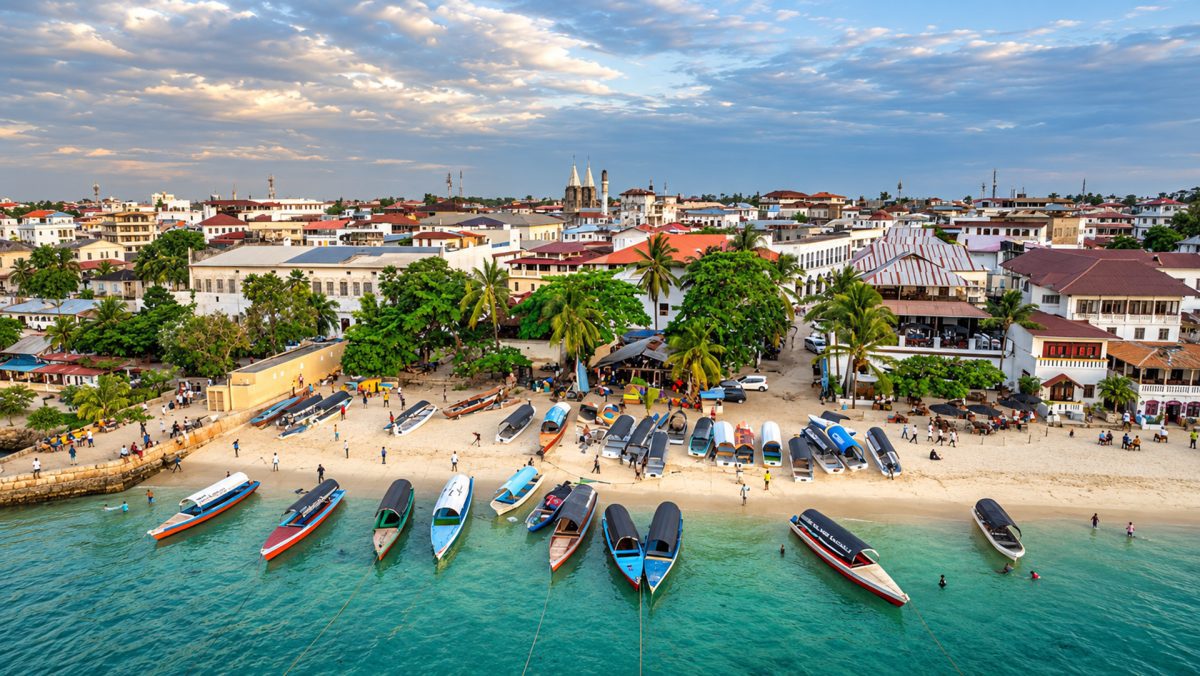
Stand on Stone Town’s waterfront and it is easy to give the old buildings a quick glance before heading for the beach. Yet on the morning of 27 August 1896, this stretch of Zanzibar became the setting for a war so brief that accounts put its duration at roughly 38 to 45 minutes. The number is astonishing. What happened within those minutes, and what they reveal about the city around you, deserve more attention.
The conflict is often introduced as the world’s shortest recorded war. That description is true, but it can make a violent struggle over power sound like a pub-quiz curiosity. Look beyond the clock and Stone Town becomes far more interesting.
What happened before the clock stopped?
Zanzibar was under British protection when Sultan Hamad bin Thuwaini died. Khalid bin Barghash took control of the palace, while British officials backed a different successor and demanded that Khalid stand down. When their ultimatum expired, British warships opened fire on the waterfront palace complex. The bombardment ended within the hour; the palace was devastated and the British-backed candidate took power.
The competing accounts of the precise start and ceasefire explain why you will see both 38 and 45 minutes quoted. Neither figure captures the human cost. Zanzibaris were killed and wounded, and the outcome tightened British control over the sultanate. It was a short war with consequences that lasted much longer.
The waterfront tells only one chapter
Start near the seafront, where the palace and harbour made the contest over power visible. The nearby House of Wonders is a landmark of the sultanate, but it should not be mistaken for the palace destroyed in the bombardment. Its own history, and the Old Fort beside it, belongs to a much longer story than the events of one morning.
Then turn inland. The narrow lanes change the scale of the visit. Carved doors, courtyard houses, shopfronts and places of worship show how Swahili, Arab, Indian and European influences met in a trading town connected to the Indian Ocean. Some buildings are grand; others remain ordinary homes and businesses. Stone Town is a living neighbourhood, not a set built around its best-known historical anecdote.
Its history also includes enslavement and the slave trade. The Anglican cathedral stands at the site of the former slave market, a reminder that an honest walk through Stone Town cannot be reduced to decorative doors and a dramatic naval story. The town’s beauty and its harder history occupy the same streets.
Give the city more than a transfer stop
If you are crossing Zanzibar on the way to a beach hotel, a brief stop can give you a first impression of the waterfront. It will not give much time to follow the lanes, understand the buildings or let a knowledgeable local guide connect them to the people who lived here. A longer walk, or a night in town before moving to the coast, changes the experience.
Check current access before planning around any particular museum or historic building; restoration work can affect what is open. The streets themselves still reward curiosity. A Zanzibar stay that includes Stone Town and the coast makes room for both parts of the island without treating the city as something to finish on the way through.
The war ended in less time than many travellers spend over lunch. Stone Town’s story begins well before it and continues long after you leave the waterfront.