Watched Serengeti III? 7 Things a Real Tanzania Safari Does Differently
August 30, 2026
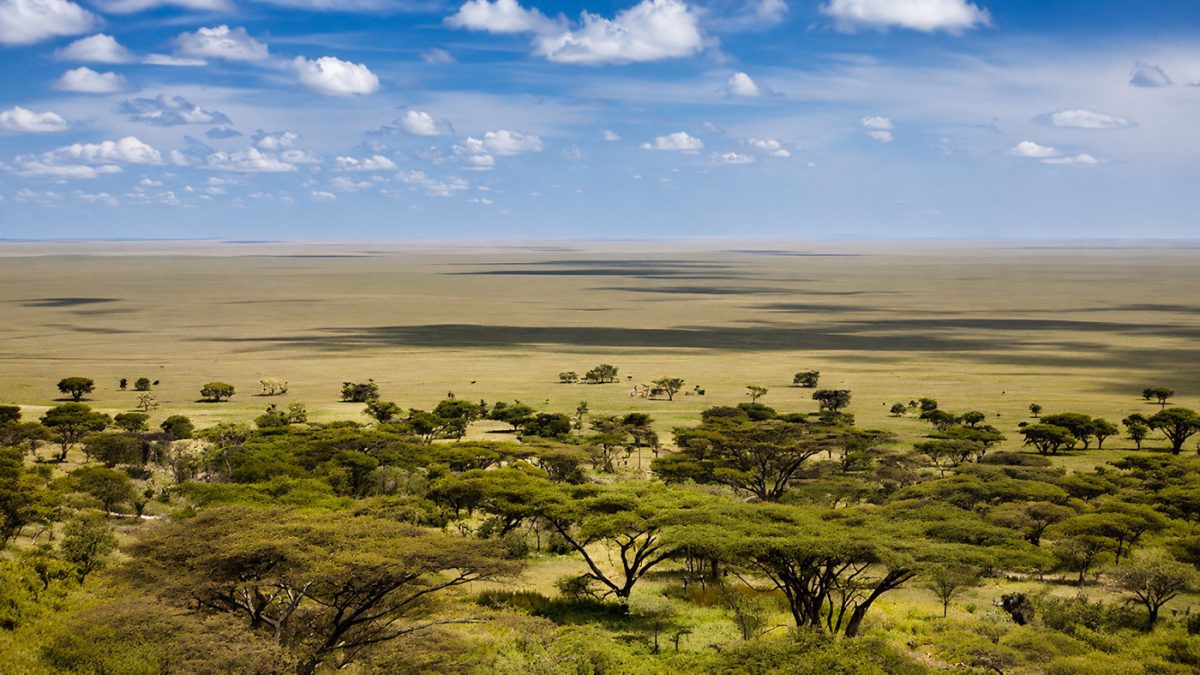
The BBC’s Serengeti III can move from a lioness in danger to a leopard’s hunt and a baboon family crisis within minutes. A real Tanzania safari is less neatly edited, and often more powerful because of it.
In the Serengeti, nobody knows what the next bend will reveal. The story develops in real time, with long silences, sudden movement and details a television camera cannot reproduce. Here are seven differences viewers notice when the screen becomes an open plain.
1. There is no script and no guaranteed sighting
Wild animals do not arrive in a convenient order. A morning may begin quietly and change when a guide notices alarm calls, fresh tracks or vultures circling in the distance.
Lions, crossings and hunts can never be scheduled. The uncertainty is not a failure of safari. It is the reason every drive is genuinely different.
2. The Serengeti feels much larger than it looks
Television uses close shots to bring animals into the room. On the ground, the first impression is often space.
Serengeti National Park covers nearly 15,000 square kilometres, while the wider ecosystem extends far beyond its borders. A line of wildebeest can disappear into the horizon rather than fit inside one frame.
3. Patience is part of the experience
A documentary compresses days of filming into a short sequence. Safari includes waiting: watching a cheetah scan the plains, staying with a leopard that may climb down, or listening while a guide works out what disturbed a herd.
Those slower minutes make the sudden ones matter.
4. The soundtrack changes everything
The Serengeti is not accompanied by music. You hear guinea fowl calling, hooves on dry ground, lions communicating after dark and wind moving through grass.
Even silence has texture when the vehicle engine is switched off.
5. The season decides which story you enter
The Serengeti National Park is not one unchanging stage.
Calving activity is associated with the southern plains early in the year. Herds later move through western and northern areas as rainfall and grazing change. Resident animals remain, but scenery, access, herd density and driving distances vary.
6. Your guide connects scenes the camera cannot
A strong guide reads behaviour before it becomes obvious. Tracks, posture, wind direction and bird calls can explain why an animal is moving or why a quiet patch may soon become interesting.
That interpretation turns sightings into a connected ecological story.
7. Real wildlife can feel less polished and more honest
Animals may be far away. Grass may obscure the perfect photograph. A predator encounter can be uncomfortable rather than cinematic.
Yet travellers often remember the scale of a moving herd, a patient hour beside elephants or an unscripted moment more clearly than a checklist of close sightings.
Serengeti III offers a dramatic invitation. A real Serengeti safari asks for something different: time, attention and acceptance that nature will choose the day’s plot.
Travellers preparing for that rhythm can also read Roy Safaris’ first-time safari guide before choosing a route.