Ngorongoro Crater: The Complete Guide to Africa’s Great Caldera
November 17, 2026
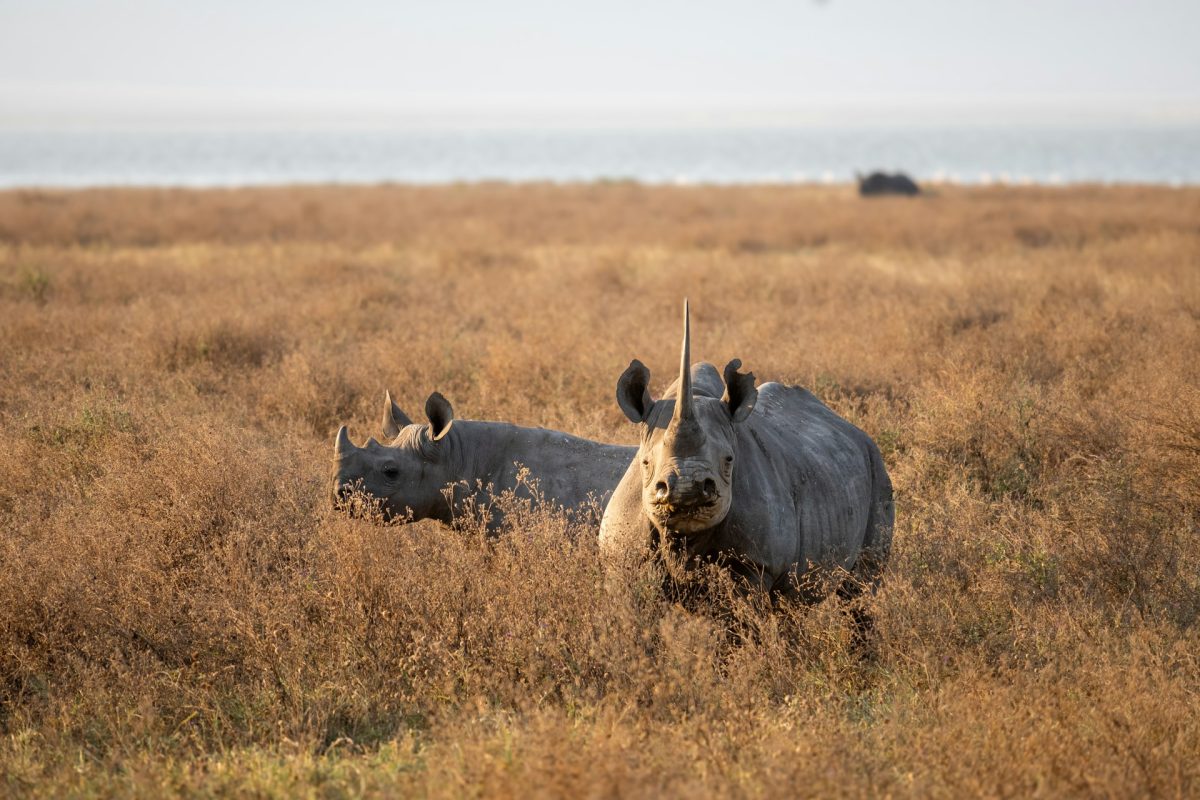
Ngorongoro Crater is a huge, unbroken volcanic caldera in northern Tanzania, about 260 km² across its floor and roughly 600 metres deep. It formed around 2.5 million years ago when a giant volcano collapsed in on itself. Today its grassland, swamps, forest and soda lake hold one of the densest concentrations of wildlife in Africa, including the rare black rhino.
Most visitors spend a single morning on the crater floor, and that morning can be extraordinary or disappointing depending on how it is planned. This guide explains how the crater works, what you can see, how a crater day runs and what lies beyond the rim, so you can make the most of it.
>Ngorongoro Crater at a glance
table>Ho>How the crater formed
Millions of years ago, a volcano stood here that may have been as tall as Kilimanjaro is today. After a series of eruptions linked to the Great Rift Valley, its magma chamber emptied and the summit collapsed into the hollow below. What was left is a caldera: a vast bowl with steep walls and a flat floor.It is often described as the largest unbroken, unflooded caldera in the world. Other calderas are larger, but most have broken walls or are filled with water. Ngorongoro’s wall is complete, and its floor is dry land, which is why so much wildlife lives inside it.
The name is usually traced to the Maasai language. One common explanation links it to the sound of cowbells; the Tanzania Tourist Board links it to a phrase describing a big bowl. Either way, the Maasai have grazed cattle in this landscape for centuries and still live in the wider conservation area today.
Wh>What lives on the crater floor
The crater is not fenced, but its steep walls and year-round water mean many animals stay inside it permanently. That is why wildlife viewing here is good in every month.- Black rhino: the crater is one of the best places in East Africa to see this critically endangered animal. Sightings are usually at a distance, often near the Lerai Forest or the open plains.
- Lion and spotted hyena: both are common. Hyenas are the main hunters here, and lions often take their kills.
- Elephant: mostly older bulls, often seen near the Lerai Forest and the swamps.
- Buffalo, wildebeest, zebra, gazelle and eland: the grazing herds that feed the predators.
- Hippo: at the hippo pool and in the larger swamps.
- Flamingos: on Lake Magadi, the shallow soda lake on the crater floor, when water levels suit them.
- Birds: kori bustards, crowned cranes, ostrich and many more.
You will not see giraffe or impala on the crater floor. Giraffe live on the outer slopes and in the surrounding highlands. Leopard live in the forests on the crater walls but are rarely seen on the floor.
Th>The main areas inside the crater
>Ho>How a crater day works
Vehicles enter the crater floor using steep one-way roads down the wall and climb out on a separate road. The drive down takes about 30 to 45 minutes. Once on the floor, you drive on set tracks only, and you may leave the vehicle only at designated picnic and toilet sites.Time on the floor is limited, usually to around six hours per descent, and all vehicles must leave before evening. The descent fee is charged per vehicle, so the way you plan the day makes a real difference to cost. Our guide to Ngorongoro Crater fees sets out the current rates and worked examples.
In practice, the best crater days follow a simple pattern:
- Leave your lodge before sunrise, with a packed breakfast.
- Be among the first vehicles down when the descent opens.
- Spend the first two hours searching for rhino and lion while the light is soft and the crater is quiet.
- Eat breakfast or lunch at a picnic site. Keep food inside the vehicle until you are seated, because black kites are bold and quick.
- Climb out by early afternoon, before the heat haze and the busiest period.
Popular sightings can draw several vehicles at once. A good guide knows when to wait and when to move on to find something quieter elsewhere on the floor.
Co>Common mistakes on a crater day
>We>Weather on the rim and in the crater
The rim is high and often misty, and nights there are cold all year, sometimes close to freezing. The crater floor, around 600 m lower, is warmer and drier. Pack a fleece and a warm jacket for the early start, and layers you can remove as the day warms up.The crater is good to visit in any month, but each season feels different. Our guide to which month is best for Ngorongoro Crater explains the trade-offs.
Be>Beyond the crater: the wider conservation area
The crater covers only a small part of the Ngorongoro Conservation Area. The rest is highland forest, open plains and smaller craters, shared by wildlife and Maasai herders.- Olduvai Gorge: one of the world’s most important sites for the study of human origins, where Louis and Mary Leakey found early human fossils. There is a small museum on the way to the Serengeti.
- Laetoli: where footprints left by early humans about 3.6 million years ago were found preserved in volcanic ash.
- Empakaai Crater: a smaller, steep-sided crater with a lake on its floor and flamingos at times. You can walk down to the lake with a ranger.
- Olmoti Crater: a shallow crater with a short walk to a waterfall.
- Ndutu and the southern plains: part of the conservation area that borders the Serengeti, where wildebeest give birth from around January to March.
Wh>Where to stay
You can stay on the crater rim, with dramatic views and a short drive to the descent road, or in the farming town of Karatu and the highlands nearby, which often gives better value. Our detailed guide on where to stay in Ngorongoro compares the two.Ho>How Ngorongoro fits into a safari
Most northern Tanzania safaris pass through the conservation area on the way to or from the Serengeti, so the crater fits naturally into a route. A classic pattern is Tarangire, then Ngorongoro, then the Serengeti. One full morning in the crater is enough for most people. A second descent rarely adds enough to justify the extra fee.See our Ngorongoro Conservation Area page and our Tanzania safari itineraries for routes that include it.
Qu>Quick answers
>Is>Is Ngorongoro Crater a national park?No. It is part of the Ngorongoro Conservation Area, a multiple land-use area where wildlife and Maasai pastoralists share the land.Ca>Can you see the Big Five in Ngorongoro Crater?
All five live there: lion, leopard, elephant, buffalo and black rhino. Leopard and rhino are the hardest to find.Ho>How long do you need in Ngorongoro Crater?
One morning on the crater floor, with a night on the rim or in Karatu before it.Is>Is Ngorongoro Crater worth it?
Yes, especially for rhino and for seeing so much wildlife in one compact, beautiful setting. Go early to enjoy it at its quietest.If you would like a route that times the crater well, tell us your dates and we will plan it with you.