How to Plan a Luxury Lake Natron Camp Stay: Timing, Transfers, and What to Pack
November 11, 2026
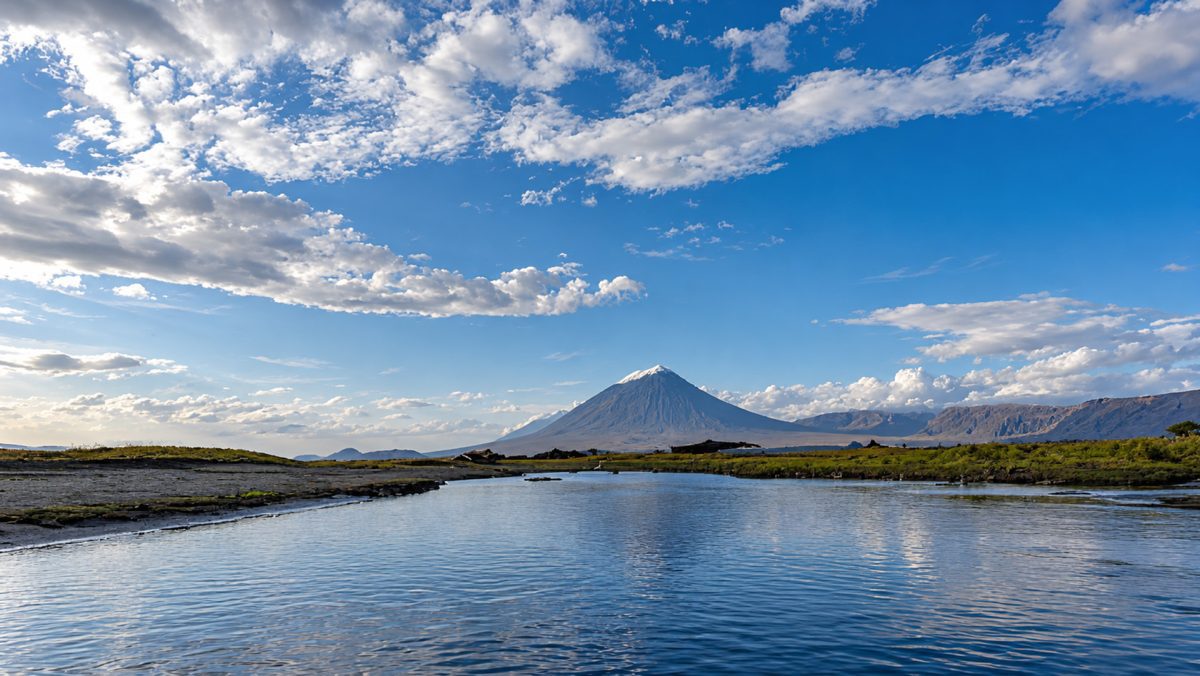
A Lake Natron camp is not a luxury lodge in the usual safari sense. There are no marble bathrooms or long spa menus here. Luxury at Lake Natron means something else: a comfortable tent in one of the wildest landscapes in Tanzania, a cool pool after a hot walk, good food, a quiet night under huge skies and a guide who knows where the flamingos are feeding.
Plan it well and a stay at a Lake Natron camp becomes one of the most memorable parts of a northern Tanzania trip. Plan it badly and it feels like a long, hot drive to a dusty camp. This guide covers the decisions that make the difference: which camp, when to go, how to get there and what to pack.
Lake Natron camps compared
Most camps sit near Engare Sero (also spelled Engaresero), the village at the southern end of the lake. They range from simple eco-camps to comfortable tented camps.
| Camp | Style | Worth knowing |
|---|---|---|
| Lake Natron Camp | Comfortable, low-impact tented camp (10 tents) | Close to the lakeshore and the ancient footprints; spring-fed pool; designed with shade nets for the heat and wind |
| Lengai Camp | Comfortable tented camp | Views towards Ol Doinyo Lengai; a good base for the volcano climb |
| Halisi Natron Camp | Mid-range tented camp | Simpler, good value |
| Moivaro Lake Natron Tented Camp | Simple tented camp (12 tents) | On village land, with part of the room rate going to a community fund |
| Maasai Giraffe Eco Lodge | Budget eco-lodge and campsite | Close to Engare Sero village; suits budget and self-drive travellers |
For a luxury-leaning trip, we usually suggest the more comfortable tented camps and pairing them with a high-end camp in the Serengeti or Ngorongoro. That way the trip has both wild simplicity and full comfort.
When to go
Lake Natron can be visited all year, but conditions change a lot.
- June to October: dry, clear and very hot by midday. Roads are at their best. This is the most reliable time to travel.
- November to March: hotter and more humid, with short rains. The lesser flamingos often breed on the lake around this time, though numbers and timing change from year to year with water levels. The breeding grounds themselves are on remote mudflats you cannot reach, but large feeding flocks can gather along the shore.
- April and May: the long rains. Tracks can become very slow or impassable, and some camps may close. We rarely recommend this period.
In late 2026 and early 2027, forecasters expect heavier than normal rain linked to El Niño. If you plan to visit then, allow extra travel time and keep your plans flexible.
>How to get to Lake Natron
p>Almost everyone arrives by road. There are three main approaches.| Route | Typical time | Road | Best for |
|---|---|---|---|
| From Arusha via Mto wa Mbu and Engaruka | 5 to 6 hours | Tarmac to Mto wa Mbu, then about 3 hours of rough gravel | Combining with Lake Manyara, Tarangire or Ngorongoro |
| From Arusha via Longido | About 5 hours | Tarmac to Longido, then gravel | A direct trip from Arusha |
| From the northern Serengeti via Klein’s Gate and Loliondo | 5 to 7 hours | Gravel and some new tarmac | A loop that avoids driving back through Ngorongoro |
The Serengeti route deserves a closer look. If you enter the Serengeti through Ngorongoro and leave the same way, you pay the Ngorongoro fees twice. Leaving the Serengeti through Klein’s Gate and continuing to Lake Natron turns the trip into a loop and avoids that second crossing. The drive is long, so break it with a picnic and expect dust.
Some operators can arrange light-aircraft charters to an airstrip near the lake, but these are expensive and not always available. Ask early if flying matters to you.
>Local fees to expect
p>Lake Natron is not a national park. Instead, you pay a series of village, district and wildlife management area fees, collected at checkpoints on the way in and at Engare Sero. Together they usually come to several tens of US dollars per person, plus vehicle and activity fees. Your operator should include these in your quote. If you travel independently, carry enough US dollars or Tanzanian shillings in cash.>How long to stay
p>Stay at least two nights. One night means you arrive hot and tired, sleep, and leave. Two nights gives you a full day for the waterfall walk and an evening on the lakeshore with the flamingos. Stay three nights if you plan to climb Ol Doinyo Lengai, because the climb starts around midnight and you will need the next day to rest.>What you will do
ul>Our full Lake Natron guide explains the lake itself, its chemistry and why the flamingos depend on it.
What>What to pack for a Lake Natron camp
tron is hotter, drier and dustier than the rest of the northern circuit. Pack for that, not for a standard safari.- Light, long-sleeved shirts and trousers in pale colours, for sun and dust.
- A wide-brimmed hat that will not blow off in the wind.
- High-factor sunscreen and lip balm with SPF.
- Sandals or water shoes with grip, for the waterfall gorge.
- A buff or scarf for dust on the drive.
- A head torch, as camps have limited lighting at night.
- Rehydration sachets and a large refillable water bottle.
- Cash in small notes for local fees and tips.
- For Ol Doinyo Lengai: proper hiking boots, gloves for the loose ash and a warm layer for the summit.
Leave plastic carrier bags at home. They are banned in Tanzania.
How >How a Lake Natron camp fits into a wider trip
tron works best as a two- or three-night chapter in a longer route, not as a separate trip. A pattern we like is Tarangire, then Lake Natron, then the northern Serengeti via Klein’s Gate, then fly out. Another is Ngorongoro first, then the Serengeti, then Natron on the way back to Arusha.See our Lake Natron destination page and our Tanzania safari itineraries for routes that include it.
Who >Who should skip Lake Natron
tron is not for everyone, and it is better to know that before you go. It may not suit you if you dislike long, bumpy drives, struggle in strong heat, or want a classic safari with lots of big game. You will see some wildlife on the way, such as giraffe, zebra and ostrich, but this is a landscape trip, not a big cat safari. Travellers with young children, or anyone with health conditions made worse by heat, should think carefully. For them, a longer stay in the Serengeti or at a cooler highland lodge is often the better use of those days.Quic>Quick answers
hat is the best Lake Natron camp?For comfort, Lake Natron Camp and Lengai Camp are the strongest choices. For value, Halisi Natron Camp and Moivaro Lake Natron Tented Camp. For a budget stay, Maasai Giraffe Eco Lodge.
Is t>Is there luxury accommodation at Lake Natron?
ere are comfortable tented camps, but no five-star lodges. Expect good beds, private bathrooms and simple style rather than full luxury.How >How hot is Lake Natron?
ry hot. Midday temperatures are often well above 30°C, and the lake basin gets little shade. Plan walks for early morning and late afternoon.Can y>Can you fly to Lake Natron?
ely. Most visitors drive. Private charters can sometimes be arranged, at a high cost.If you would like to add a Lake Natron camp to your safari, tell us your dates and style and we will build the route around it.