Lake Manyara in Late May: Is it Worth Visiting?
August 27, 2026
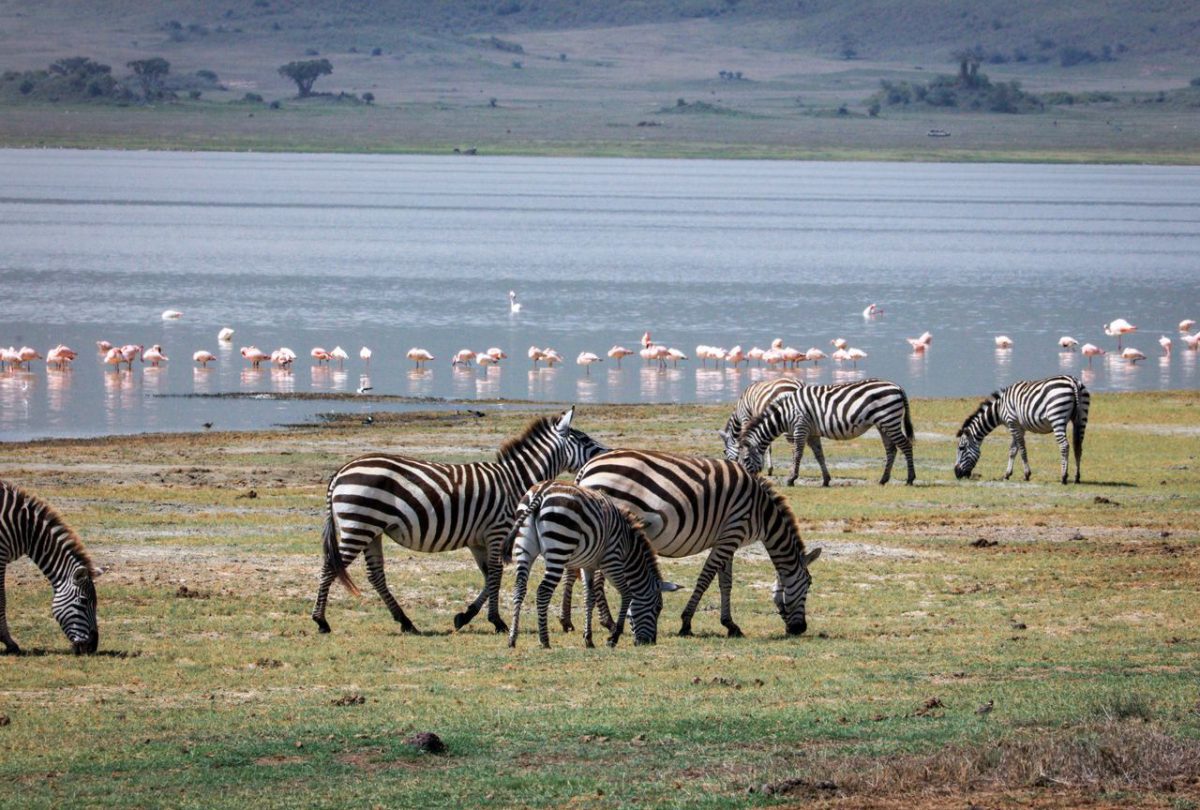
Lake Manyara in late May can be a beautiful addition to a northern Tanzania safari, especially for travellers interested in birdlife, elephants, primates and lush scenery. However, this is not a destination that should be added to an itinerary without considering recent rainfall, road access and personal wildlife priorities.
Late May marks the transition from the long rainy season to the drier months. The landscape is usually green and photogenic, but water accumulated during March and April may still affect the park’s lakeshore roads. Some game-viewing circuits can be limited even when the day itself is sunny.
So, is Lake Manyara worth visiting in late May?
For birdwatchers, photographers and travellers who enjoy varied habitats, the answer is often yes. For visitors focused mainly on big cats and large concentrations of animals, the decision is less straightforward. Lake Manyara is best appreciated for its groundwater forest, primates, elephants, birds and dramatic Rift Valley setting rather than as a guaranteed place to see lions or flamingos.
What Is Lake Manyara Like in Late May?
Northern Tanzania’s long rains generally run from March through May, with April commonly receiving more rain than late May. By the final week of May, rainfall is often becoming less frequent as the region approaches the dry season.
That does not mean the park will necessarily be dry.
Lake Manyara is a shallow lake whose surface area can change considerably following prolonged rainfall. Water levels reflect what happened during the preceding weeks and months, not just the weather on the day of your visit. A clear morning in late May can therefore coincide with flooded tracks or a shoreline that has moved farther from its usual position.
This distinction is important when reading general weather guides. The question is not simply whether it will rain during your game drive. You also need to know how much rain has already fallen and which roads are currently open.
Late-May conditions may include cool mornings, mild daytime temperatures, occasional showers and patches of cloud. The forest can be particularly green, while streams and waterfalls along the Rift Valley escarpment may still carry water.
Visitors should prepare for sunshine and rain rather than expecting either completely dry or consistently wet weather.
Can Flooding Affect a Lake Manyara Safari?
High water can affect the lakeshore and some of the park’s established game-viewing circuits. However, this does not usually mean that the entire park is inaccessible.
The entrance leads into a dense groundwater forest where mature trees, palms and thick vegetation create one of the most distinctive safari environments in northern Tanzania. Higher woodland areas may remain accessible even when some low-lying tracks near the lake are wet or submerged.
Travellers visiting after periods of heavy rain have sometimes found that traditional picnic spots or hippo-viewing areas were surrounded by water. In other cases, roads marked on older park maps no longer reached the shoreline in the way visitors expected.
This changing landscape can be disappointing if the main goal is to drive close to the lake. It does not necessarily prevent a rewarding wildlife experience elsewhere in the park.
Recent visitors have continued to encounter elephants, baboons, blue monkeys, giraffes, waterbuck, impala and varied birdlife while driving through accessible forest and woodland sections. The quality of the visit often depends on how well the guide understands the park’s current conditions.
Before travelling, ask your safari operator which game-viewing circuits have been open during the previous few days. A current report from a guide who has recently entered the park is more valuable than a general monthly forecast.
What Wildlife Can You See in Late May?
Lake Manyara National Park contains several habitats within a relatively compact area. These include groundwater forest, acacia woodland, wetlands, floodplain and the alkaline lake itself.
Elephants are among the park’s most rewarding residents. They may be seen moving through the forest or feeding close to the road. The vegetation creates opportunities for intimate encounters, although animals can occasionally disappear into the foliage more quickly than they would on an open plain.
Olive baboons are common and may be encountered in large groups. Vervet monkeys are also frequently seen, while blue monkeys inhabit the forest canopy. For travellers who enjoy observing primate behaviour, Manyara can provide a different experience from the more open safari landscapes elsewhere on the northern circuit.
Other possible sightings include buffalo, giraffes, waterbuck, impala, wildebeest, zebra, hippos and banded mongooses. Wildlife sightings always depend on the day’s conditions, the roads available and the skill of the guide.
Lake Manyara is also associated with tree-climbing lions. The lions are present, but they should not be regarded as a guaranteed attraction. Thick vegetation and changing wildlife movements can make them difficult to locate, particularly during a short visit.
A Manyara safari is most successful when approached as an exploration of a diverse ecosystem rather than a search for one famous animal.
For an overview of the park’s landscapes, wildlife and itineraries, see the Roy Safaris guide to Lake Manyara National Park.
Is Late May Good for Birdwatching?
Birdwatching is one of the strongest reasons to visit Lake Manyara in late May.
More than 390 bird species have been recorded in and around the park. The combination of forest, woodland, floodplain and wetland habitats means that a relatively short drive can produce a varied bird list.
Depending on water levels and the routes available, visitors may see African fish eagles, southern ground hornbills, openbills, herons, storks, pelicans, kingfishers, lapwings, plovers and several woodland species. Raptors may be observed above the forest or along the escarpment.
Late-May birding reports have remained productive even when traditional lakeshore access was restricted. Birders have recorded waterbirds, ground hornbills, raptors and waders during visits when large mammal sightings were less dramatic.
Flamingos are seasonal and should never be promised. Their numbers depend on changing water depth, salinity and food availability. Sometimes they gather in visible numbers, while at other times they are distant or absent.
Even without flamingos, the park can still be worthwhile for serious birdwatchers. Carry binoculars because high water may place wetland birds farther from accessible roads.
How Long Should You Spend at Lake Manyara?
Most travellers do not need several days inside Lake Manyara National Park. The appropriate length of stay depends on whether the park is a short stop within a larger safari or a destination of particular interest.
Half a Day
A half-day game drive is suitable for most first-time visitors combining Lake Manyara with Tarangire, Ngorongoro and the Serengeti.
Four to five hours can provide enough time to explore the groundwater forest, accessible woodland and selected viewing areas. This option works particularly well when arriving from Tarangire and continuing to accommodation around Mto wa Mbu or Karatu.
A half-day visit is less suitable when road conditions are difficult or birdwatching is a major priority. Progress can be slower after rain, and birders naturally spend longer at individual sightings.
One Full Day
A full day is worthwhile for keen birdwatchers, photographers and travellers who prefer a slower safari pace. It gives the guide more flexibility to explore open routes without rushing from one section to another.
A full day can also allow time for another activity, such as the canopy walkway, a permitted night game drive, a guided walk where available, or a cultural visit around Mto wa Mbu. Activities and access should always be confirmed in advance.
One Night
For most northern circuit itineraries, one night in the Lake Manyara, Mto wa Mbu or Karatu area is enough.
This allows visitors to enjoy a game drive and continue toward Ngorongoro or the Serengeti the following morning. One night also provides a more relaxed experience than attempting to visit the park and complete a long onward transfer on the same day.
Two Nights
Two nights make sense for travellers staying at a destination lodge, planning multiple activities or giving special attention to photography and birding.
A longer stay may also appeal to families who want time by the pool between safari drives. However, visitors with a limited number of days will generally benefit more from spending only one night near Manyara and reserving additional nights for the Serengeti or Tarangire.
Where Should You Stay Near Lake Manyara?
Accommodation is available inside the national park, on the Rift Valley escarpment, near Mto wa Mbu and around Karatu. The best location depends on budget, preferred experience and the next destination in the itinerary.
Inside Lake Manyara National Park
Staying inside the park creates a more immersive experience and may provide convenient access to early or late wildlife activities.
The luxury andBeyond Lake Manyara Tree Lodge is situated in a remote forested section of the park. Its raised treehouse-style suites are designed for travellers seeking an exclusive safari stay surrounded by nature.
TANAPA also lists accommodation such as Lake Manyara Wayo Green Camp and Lake Manyara Tortilis Camp. These tented options provide a closer connection to the park environment.
Inside-park accommodation can be expensive, and reaching remote properties may take considerable time. Availability, seasonal operations and road access should be checked before booking, particularly during the rainy season.
Rift Valley Escarpment Lodges
The escarpment above Lake Manyara provides some of the area’s most impressive views.
Lake Manyara Serena Safari Lodge occupies a scenic position overlooking the Rift Valley and lake. Its rooms are arranged in circular buildings with private verandas, making it a practical choice for couples, families and small groups.
Lake Manyara Kilimamoja Lodge offers spacious rooms, private balconies and extensive views from its position on the Rift Valley. It is a luxury option for travellers who want a comfortable lodge stay between game drives.
Escarpment Luxury Lodge is another high-end property overlooking the Lake Manyara landscape. Escarpment accommodation is especially appealing to travellers who value scenery, swimming pools and comfortable evenings outside the national park.
Mto wa Mbu and the Lakeside Area
Mto wa Mbu is conveniently positioned near the park entrance and offers accommodation across several price levels.
Manyara’s Secret is a boutique lodge with lake views and private villas. Some villas include plunge pools, making it suitable for couples, families and groups wanting privacy.
Other camps, lodges and guesthouses around Mto wa Mbu provide more affordable alternatives. Staying here can also make it easier to include a village visit, local food experience, market stop or guided cultural activity.
Karatu
Karatu is a popular overnight choice for travellers continuing to Ngorongoro or the Serengeti.
It is farther from Lake Manyara’s entrance than accommodation around Mto wa Mbu, but it places visitors closer to the Ngorongoro Conservation Area. The town and surrounding highlands contain a broad selection of lodges, farm stays and boutique properties.
If Lake Manyara is part of a longer northern circuit safari, Karatu is often the most practical place to sleep after the game drive.
Should You Combine Lake Manyara with Tarangire and Ngorongoro?
Lake Manyara works best as part of a broader northern Tanzania itinerary rather than as a standalone safari destination.
A balanced route might begin with one or two nights in Tarangire, followed by a half-day or full-day visit to Lake Manyara. You can then overnight around Karatu before continuing to Ngorongoro or central Serengeti.
Tarangire is a valuable addition because it offers more time for extensive game drives and large wildlife encounters. Ngorongoro adds a completely different landscape and a concentrated crater-floor safari. Lake Manyara contributes forest, primates, birding and Rift Valley scenery.
The purpose of combining the parks is not to repeat the same experience. It is to introduce contrasting habitats within a manageable route.
One practical itinerary is:
Day 1: Travel from Arusha to Tarangire for an afternoon game drive.
Day 2: Spend a full day in Tarangire.
Day 3: Drive to Lake Manyara for a half-day or full-day safari, followed by an overnight stay near Manyara or in Karatu.
Day 4: Continue through the Ngorongoro Conservation Area toward the Serengeti.
This sequence gives Tarangire enough time while keeping Lake Manyara as a meaningful destination rather than a rushed roadside stop. You can see how the route fits together in the Roy Safaris eight-day Tarangire, Lake Manyara, Serengeti and Ngorongoro itinerary.
It is worth remembering that Lake Manyara does not, by itself, shorten the most demanding portion of the journey to central Serengeti. The park is relatively close to Tarangire. Overnighting in Karatu is what improves your position for the following day’s drive.
Practical Tips for Visiting in Late May
Wear light, quick-drying clothing and carry a waterproof jacket. Closed shoes are useful around lodges and designated walking areas where the ground may be wet.
Bring insect repellent, particularly for evenings near the lake. Sun protection remains important even on cloudy days.
Keep cameras and other electronics in a protective dry bag. Binoculars are essential for birding and for viewing wildlife across flooded areas.
Most importantly, allow some flexibility. If recent rain has substantially reduced the accessible game-viewing area, your guide may recommend a shorter visit, an additional activity around Mto wa Mbu or more time in Tarangire.
Final Verdict: Is Lake Manyara Worth Visiting in Late May?
Lake Manyara is worth visiting in late May when you value birds, elephants, primates, green landscapes and habitat diversity. It is less compelling if your only priorities are big cats and large concentrations of plains wildlife.
For most travellers, a half-day to one full day in the park and one night in the surrounding area is sufficient. Two nights are better suited to dedicated birdwatchers, photographers or guests choosing a lodge as part of the experience.
The best plan remains flexible. Rain may be easing by late May, but high water can continue to affect lakeshore access. Check recent conditions through a local guide before finalising the day.
Roy Safaris can combine Lake Manyara with Tarangire, Ngorongoro and the Serengeti while adjusting the route to current park conditions. Contact Roy Safaris to plan a northern Tanzania safari that gives Lake Manyara the right amount of time without taking valuable days away from your main wildlife priorities.