Just the Two of You: A Tanzania Honeymoon in November
August 29, 2026
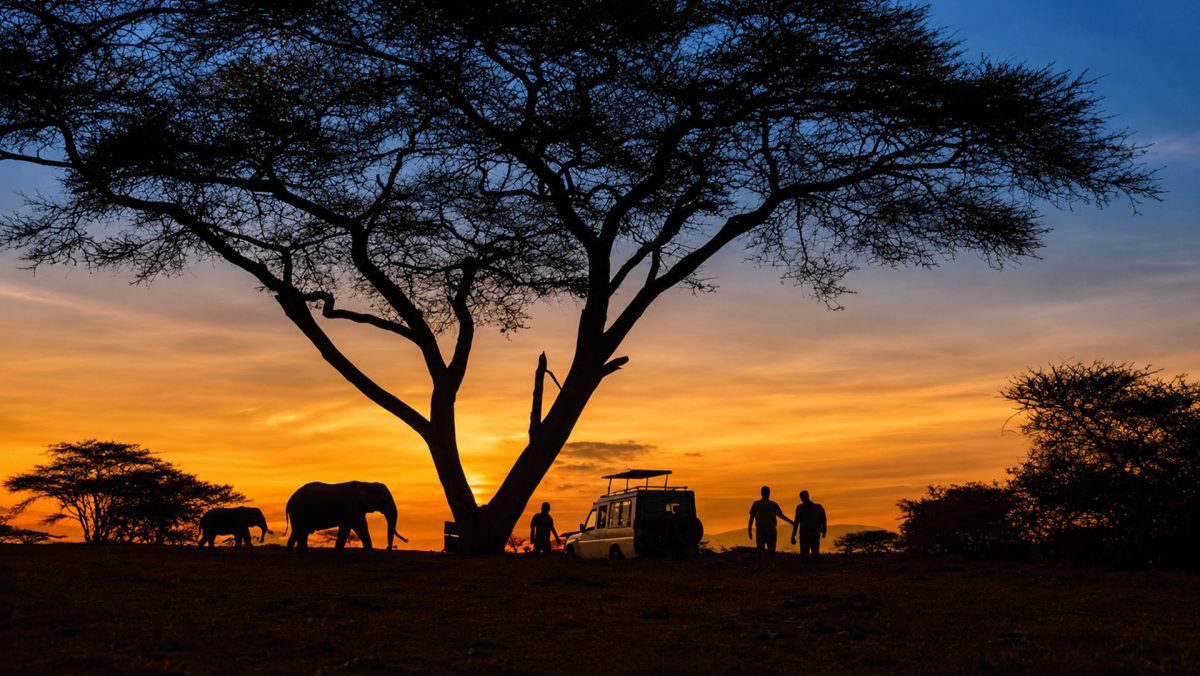
The first rains arrive softly, washing the dust from the plains and bringing fresh colour to Tanzania’s great wildernesses. Planning a Tanzania honeymoon in November places you in the middle of this beautiful seasonal change, when the landscape begins to glow, safari traffic is often lighter and every shared sighting feels a little more personal.
This is a month for couples who want their honeymoon to feel adventurous without losing its sense of romance. Your mornings might begin with coffee overlooking the Serengeti, followed by a private game drive in search of lions, elephants and migrating herds. In the evening, you could return to an intimate tented camp for sundowners, dinner beneath the stars and the distant sound of wildlife beyond your room.
November also opens the door to a more thoughtfully paced journey. You can combine the Serengeti and Ngorongoro Crater with a few quiet days on Zanzibar, balancing early safari mornings with warm ocean swims and unhurried evenings by the beach. With careful planning from Roy Safaris, your honeymoon can follow the best conditions available while still leaving room for privacy, spontaneity and time together.
What Makes a November Honeymoon Different?
November is a transition month rather than a continuation of October.
The long dry season has ended, but the heavy long rains of April and May are still several months away. Afternoon showers and occasional thunderstorms revive the landscape without necessarily removing entire days from the safari.
The first rain changes animal behaviour. Wildlife that had gathered around permanent water can spread across a wider area as temporary pools form. This may reduce the large dry-season concentrations seen in Tarangire, but it also creates fresh scenery and active grazing.
Birdwatching improves as migrants arrive from Europe and northern regions. Breeding plumage, insects and renewed plant life make the parks feel more colourful.
Visitor numbers are often noticeably lower than from July through October. This can create more personal wildlife encounters, especially away from famous sightings.
November Weather in Tanzania
Northern safari destinations are generally warm in November. Daytime temperatures often fall between approximately 25°C and 30°C, with cooler mornings in the Serengeti and substantially colder conditions around Ngorongoro.
Rainfall varies by location and year. A forecast showing rain every day does not necessarily mean continuous wet weather. It may indicate a short shower somewhere in a large region.
Travellers frequently find that mornings remain clear and game drives continue as planned. Storm clouds can produce striking photography, while rain removes dust from the air.
Roads may become muddy after a strong storm, particularly on black-cotton soil. An experienced guide and properly maintained four-wheel-drive vehicle are important.
Pack a lightweight rain jacket, quick-drying clothes, closed shoes, binoculars and protection for cameras. Warm layers are still required around Ngorongoro and during early Serengeti drives.
Where Is the Great Migration in November?
During November, the migration generally begins leaving the northern Serengeti and travelling south or southeast in response to fresh grazing.
The herds do not move together in one neat column. Some may remain in the north, others may be around Central or Eastern Serengeti, and faster groups may already be approaching the southern plains.
This makes fixed migration promises particularly unreliable.
A cheap northern lodge rate is not automatically good value if the herds have travelled south. Couples should not book Northern Serengeti simply because a premium camp has introduced its November discount.
Central Serengeti is often a safer base because it provides year-round resident wildlife and reasonable access to several directions. Eastern Serengeti can also become interesting as the plains respond to rain.
Ask the safari operator for recent reports before deciding how the Serengeti nights should be divided. The itinerary should retain enough flexibility to follow wildlife conditions rather than a seasonal diagram.
Is November Low or Shoulder Season?
November is commonly treated as a low or shoulder month. The label depends on the individual lodge.
Some premium properties call November a “secret season” and reduce their prices significantly from 1 November. Published rate calendars show that the difference between an October and November stay can exceed 50 percent at certain high-end camps.
Private mid-range safaris may still begin around $400 to $600 per person per day because park fees, vehicles, fuel and professional guiding do not disappear during the rains. Luxury accommodation, however, may be considerably less expensive than during August or October.
A luxury Tanzania safari in November can still cost $700 to $1,500 or more per person per day. The value comes from receiving a stronger room category, a more private camp or additional nights for the same approximate budget as a shorter peak-season trip.
Couples should compare complete quotations. Check whether the price includes:
- A private vehicle and guide.
- Park and conservation fees.
- Ngorongoro crater fees.
- Internal flights and baggage restrictions.
- Full-board meals and drinks.
- Honeymoon arrangements.
- Zanzibar transfers.
- Any seasonal stay-pay offers.
A low nightly hotel rate can be misleading if costly flights, park fees or transfers have been excluded.
Best Places for a November Honeymoon Safari
Central Serengeti
Central Serengeti is one of the best November choices because it is not dependent on a single migration position. Lions, leopards, cheetahs, elephants and other resident wildlife remain in the Seronera region throughout the year.
Three nights allow the guide to explore several habitats and respond to reports of migrating herds.
Permanent properties are particularly useful in November. They remain operational, have established road access and may provide pools, spas and spacious rooms for rainy afternoons.
Four Seasons Safari Lodge Serengeti is one example of a permanent property offering rooms, suites and private villas overlooking the landscape and waterhole. Smaller tented camps provide a more intimate bush atmosphere.
Eastern Serengeti
Eastern Serengeti is known for open plains and strong predator habitat. As rain encourages fresh growth, this region may offer rewarding cheetah and lion viewing.
A camp in the east can be combined with Central Serengeti, but its location should be checked against current road and wildlife conditions.
Ngorongoro Crater
Ngorongoro remains productive throughout the year. The crater floor contains permanent water and resident wildlife, making it less sensitive to migration movements.
One night near the rim can be enough when paired with an early descent. Two nights allow a slower highlands experience, which may suit honeymooners taking advantage of November lodge rates.
Tarangire
Tarangire changes after the first rain. Wildlife can spread beyond the river, making sightings less concentrated than in September or October.
The park remains worthwhile for elephants, birds, baobab scenery and a quieter atmosphere. Spend two nights if including it. A rushed single-night stop provides little time to adapt to dispersed wildlife.
Lake Manyara
Lake Manyara can add forest, primates and birding to a November route. Road access should be checked after recent rain because some low-lying circuits may be affected.
The park works best as a half-day or full-day addition before continuing to Karatu or Ngorongoro.
Choosing a November Honeymoon Lodge
November rewards couples who select accommodation based on the experience they want rather than simply following the migration.
Permanent lodges suit couples who value large rooms, spa facilities, reliable infrastructure and somewhere comfortable to spend a wet afternoon.
Small tented camps suit couples who want privacy, campfire evenings and a stronger sense of being in the bush. Ask whether canvas tents have covered verandas, reliable hot water and protected dining areas.
Location remains essential. A major discount at a remote northern property is not useful when your intended safari area is Central Serengeti.
Ask the operator which properties remain open, whether roads are currently reliable and whether the lodge offers a seasonal honeymoon package. Stay-pay offers can make a three-night booking more attractive than changing camps after one or two nights.
A Recommended November Honeymoon Route
Day 1: Arusha
Arrive and spend the night in a quiet garden lodge. Use the evening for the safari briefing and rest.
Days 2 and 3: Tarangire
Spend two nights in Tarangire. This gives the guide time to find wildlife that may be more dispersed after the first rain.
Day 4: Lake Manyara or Karatu
Choose a Lake Manyara visit if road conditions are favourable. Otherwise, travel directly to Karatu and enjoy the lodge, a farm experience or a gentle walk.
Days 5 and 6: Ngorongoro
Stay near the crater or in the highlands. Complete an early crater descent and allow time for a relaxed evening afterwards.
Days 7 to 9: Central or Eastern Serengeti
Fly or drive to the Serengeti and spend three nights in the region best aligned with current wildlife reports.
Day 10: Fly to Zanzibar
Travel by scheduled bush flight, understanding that intermediate stops may occur.
Days 11 to 14: Zanzibar
Allow four nights on the island. Keep activities flexible around the short rains.
This itinerary avoids Northern Serengeti unless current reports justify travelling there.
Should You Add Zanzibar in November?
Zanzibar receives short rains during November. Showers commonly occur in the afternoon, while many mornings remain suitable for swimming, excursions and beach relaxation.
The island is greener and can be quieter than during August or Christmas. Resorts may offer more attractive rates, although weather varies from one year to another.
Choose accommodation with enough facilities to remain enjoyable during a shower. A comfortable room, covered terrace, spa, restaurant and attractive pool area become more valuable than a basic room chosen only for beach access.
Couples who would be deeply disappointed by any rain may prefer to place more honeymoon nights on safari or choose a drier month. Couples comfortable with tropical showers can find November appealing.
See Roy Safaris’ Tanzania safari and Zanzibar combinations for flexible bush-and-beach routes.
The Advantages of November
November can provide lower lodge rates, fewer safari vehicles, green photography and outstanding birding. Rain can soften the light and create dramatic skies.
Couples may be able to stay at a more luxurious lodge or add extra safari nights without exceeding the cost of a shorter peak-season journey.
The disadvantages are less predictable weather, more dispersed wildlife and migration movements that are difficult to forecast far in advance.
Who Should Choose a November Tanzania Honeymoon?
November suits flexible couples who prefer privacy and value over peak-season certainty. It is ideal for birdwatchers, photographers and travellers interested in the whole ecosystem rather than one famous migration event.
The month is less suitable for couples who require uninterrupted sunshine, dry roads or a guaranteed river crossing.
Plan around Central Serengeti, Ngorongoro and adaptable lodge choices. Treat any encounter with the southbound migration as a seasonal bonus.
Contact Roy Safaris to create a private November honeymoon with green-season rates, suitable permanent lodges and a route adjusted to current rainfall and wildlife movements.