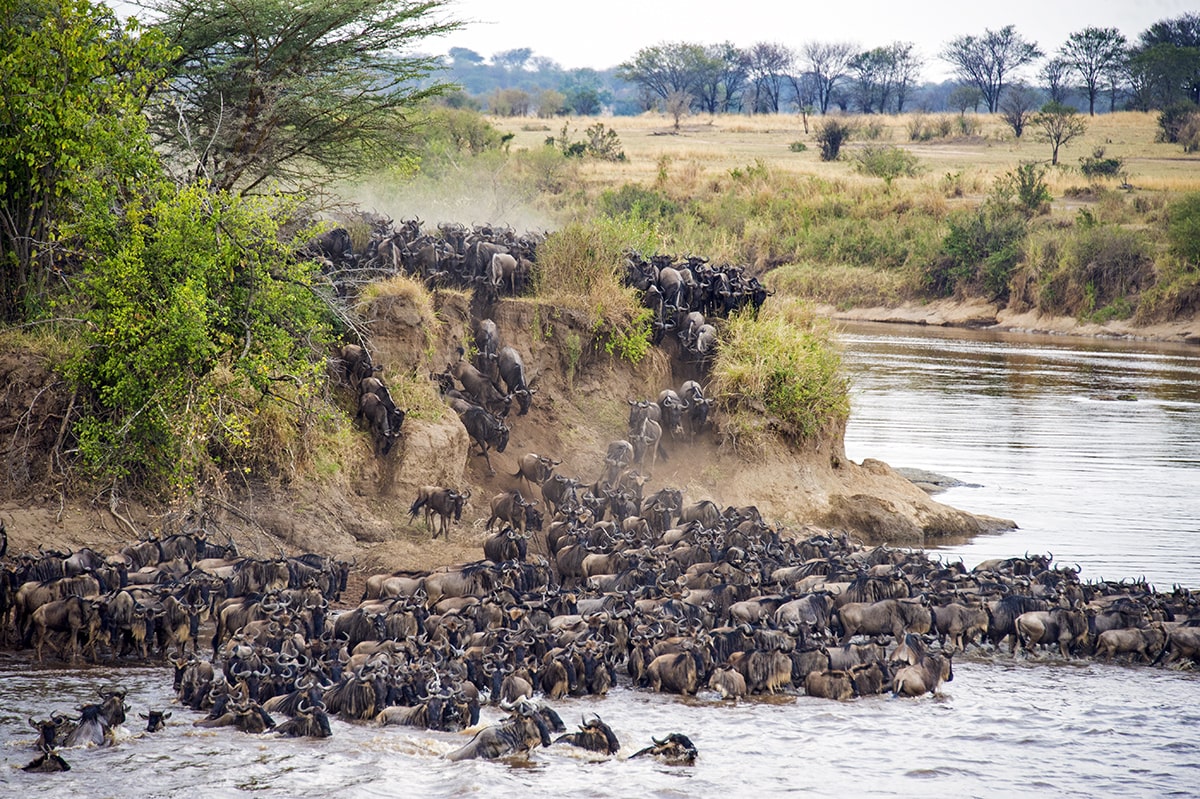
Tanzania is located in East Africa and covers an area of approximately 945,000 square kilometers, making it one of the largest countries on the continent. It shares borders with Kenya and Uganda to the north; Rwanda, Burundi, and the Democratic Republic of Congo to the west; and Zambia, Malawi, and Mozambique to the south. To the east, Tanzania opens up to the Indian Ocean, with the Zanzibar Archipelago lying just offshore. Its vast and varied landscapes—ranging from the plains of the Serengeti to the shores of Lake Victoria and the peaks of Mount Kilimanjaro—make it an exceptional destination for both wildlife and cultural exploration.
Getting into Tanzania
Tanzania is well connected to the rest of the world via three key international airports, each serving as a convenient gateway depending on your safari or beach itinerary:
a. Flights
- Kilimanjaro International Airport (JRO)
Ideal for travelers heading to northern Tanzania, including the Serengeti, Ngorongoro, Tarangire, Lake Manyara, and Arusha. Many international carriers serve this airport, making it a popular choice for safari-bound visitors. Some of the airlines serving this airport are:-- KLM Royal Dutch airlines/AIR FRANCE: Daily flights from Amsterdam/Paris. You will require an overnight in Arusha or Moshi since this flight arrives around 20:00 Hrs.
- Qatar Airways: There are 2 daily flights, one at around 07:40 hrs and another at 17:00 hrs.
- Ethiopian Airlines: There are 2 daily flights at 12: 15 hrs and 17:00 Hrs.
- Turkish Airlines: Arrives into Kilimanjaro at around 4:00 am.
- Kenya Airways: Daily morning flights via Nairobi using local carrier Precision Air Services.
- Air Kenya/Safari link: Convenient mid day connections from Nairobi Wilson Airport in Kenya.
- Local airlines: Air Tanzania and Precision Air have regular in country flights into this airport.
- Julius Nyerere International Airport – Dar es Salaam (DAR)
Best suited for those exploring southern Tanzania, including Nyerere (Selous) and Ruaha National Parks. It’s also the main entry point for business travel and onward connections across East Africa.- KLM Royal Dutch airlines/Air France: ALL KLM/AIR FRANCE flights arriving into Kilimanjaro return to Amsterdam/Paris via Dar es Salaam, so this is a perfect option for those taking beach extension or visit to southern Tanzania.
- Qatar Airways: All flights arriving into Kilimanjaro, return to Doha via Dar es Salaam, so this is a perfect option for those on beach extensions or visit to Southern Tanzania.
- Ethiopian Airlines: Convenient return flights out of Dar es Salaam.
- Turkish Airlines: There is an almost daily departure back to Istanbul from this airport.
- Kenya Airways: Two daily flights to Nairobi.
- Local airlines: Air Tanzania and Precision Air have regular in country flights into this airport.
- Abeid Amani Karume International Airport – Zanzibar (ZNZ)
Perfect for guests combining their safari with a beach escape. This airport serves the Zanzibar Archipelago and is well connected to regional hubs as well as select international destinations.- KLM Royal Dutch airlines/AIR FRANCE: On select days, you have flights into and out of Zanzibar to Amsterdam/Paris.
- Qatar Airways: Several flights exist into and out of Zanzibar.
- Ethiopian Airlines: Several flights exist into and out of Zanzibar.
- Kenya Airways: Daily flights into and out of Nairobi.
- Local airlines: Air Tanzania and Precision Air have regular in country flights into this airport.
b. Arrival by road into Northern Tanzania
Northern Tanzania is well connected by road to neighbouring countries, offering overland access for those combining regional travel. From Kenya, travellers can enter via the Namanga or Loitokitok border posts—both leading conveniently to Arusha, the gateway to Serengeti, Ngorongoro, Tarangire, and Lake Manyara. These routes are commonly used for those arriving from Nairobi and are serviced by regular shuttle buses, private transfers, or cross-border safari vehicles.
Border crossings are straightforward with the necessary visas, and road conditions are generally good on main routes. For a seamless experience, pre-arranged transfers or guided overland safaris are recommended.
Vaccination Requirements For Entering Tanzania
To enter the United Republic of Tanzania, most travelers are required to obtain a visa. The country offers several visa options to accommodate various travel purposes, including tourism, business, and transit.
Visa Options
- eVisa (Online Visa):
Travelers can apply for an eVisa through the official Tanzania Immigration website: visa.immigration.go.tz. The eVisa is available for tourism, business, and other short-term visits. Applicants must complete an online form, upload necessary documents, and pay the visa fee. Processing typically takes up to 10 days, and applicants are advised to apply at least 10 days before their intended travel date. visa.immigration.go.tzvisa.immigration.go.tz - Visa on Arrival:
Citizens of certain countries may obtain a visa upon arrival at designated entry points in Tanzania. However, it’s recommended to check eligibility and consider applying for an eVisa in advance to avoid potential delays. - Referral Visa:
Nationals from specific countries are required to obtain a referral visa, which involves additional processing and approval from the Commissioner General of Immigration. Applicants from these countries must apply online and are advised to do so at least two months prior to travel.
Visa Types and Fees
- Ordinary (Single-Entry) Visa: Suitable for tourists and visitors; valid for up to 90 days. Fee: $50 USD.
- Multiple Entry Visa: Ideal for individuals requiring frequent visits. Valid for up to 12 months. Fee: $100 USD. Note: U.S. citizens must apply for this visa type when visiting for tourism or holiday purposes.
- Business Visa: For short-term business engagements. Fee: $250 USD.
- Transit Visa: For travellers transiting through Tanzania for a short duration. Fee: $30 USD.
Entry Requirements
- Passport Validity: A passport valid for at least six months from the date of entry, with at least one unused visa page, is required.
- Yellow Fever Vaccination: Travelers arriving from countries with risk of yellow fever transmission must present a valid yellow fever vaccination certificate.
- Travel Insurance: As of October 1, 2024, all visitors to Zanzibar are required to have valid travel insurance from the Zanzibar Insurance Corporation.
Additional Information
- Application Processing: Visa applications are typically processed within 10 days. However, processing times may vary, and applicants are advised to apply well in advance of their travel dates.
- Official Sources: For the most accurate and up-to-date information, refer to the official Tanzania Immigration website: www.immigration.go.tz.
By ensuring compliance with these visa requirements and entry conditions, travellers can enjoy a smooth and memorable experience exploring Tanzania’s rich cultural heritage and natural beauty.
VACCINATION REQUIREMENTS FOR ENTERING TANZANIA
When planning your trip to Tanzania, it’s essential to be aware of the country’s vaccination requirements to ensure a smooth entry and a healthy stay.
Mandatory Vaccination
Yellow Fever:
Travelers aged 1 year and above must present a valid Yellow Fever vaccination certificate if arriving from, or transiting through, countries with risk of Yellow Fever transmission. This includes layovers exceeding 12 hours in such countries. If you’re traveling directly from countries without Yellow Fever risk (e.g., the United States or the UK), this requirement does not apply.
For travellers with medical contraindications to the Yellow Fever vaccine, a waiver letter from a licensed physician is acceptable. This letter should be presented to immigration officials upon arrival.
Recommended Vaccinations
While not mandatory, the following vaccinations are recommended to protect against common diseases in Tanzania:
- Hepatitis A & B: Transmitted through contaminated food, water, or bodily fluids.
- Typhoid: Spread via contaminated food and water.
- Rabies: Recommended for travelers engaging in outdoor activities or visiting remote areas.
- Meningitis: Advised during the dry season or for extended stays.
- Polio: An adult booster is recommended due to global resurgence.
- Measles, Mumps, Rubella (MMR): Ensure vaccinations are up to date.
- Tetanus, Diphtheria, Pertussis (Tdap): Routine booster recommended.
- Influenza: Advised, especially during flu season.
Malaria Prevention
Tanzania is a malaria-endemic country. Travelers are advised to:
- Consult a healthcare provider for appropriate antimalarial medication.
- Use insect repellent containing DEET.
- Sleep under insecticide-treated mosquito nets.
- Wear long-sleeved clothing during evening hours.
COVID-19 Regulations
As of the latest updates, Tanzania does not require travellers to present COVID-19 vaccination certificates or negative test results upon entry. However, it’s advisable to stay informed about any changes to these regulations before your departure.
Weather in Tanzania: Seasons and Climate
Tanzania enjoys a generally warm, tropical climate, but conditions can vary by region and elevation. Coastal areas and islands like Zanzibar tend to be hot and humid, while the northern and central highlands—including Arusha and the Serengeti—are cooler, especially in the mornings and evenings.
Dry Season
June to October – Long Dry Season
This is the most popular time to visit Tanzania, especially for safaris. Skies are clear, rainfall is minimal, and wildlife is easier to spot as animals gather around water sources. Temperatures are mild and pleasant, particularly in the highlands.
January to February – Short Dry Season
A brief dry spell between the rains, especially favourable for game viewing and calving season in the southern Serengeti (Ndutu area). It’s also a good time to climb Kilimanjaro with stable weather.
Rainy Season
March to May – Long Rains
This is the main rainy season, particularly intense in the southern and coastal regions. Many lodges in remote areas close due to impassable roads, though landscapes are lush and fewer tourists mean lower rates. It’s less ideal for game viewing, but great for photography and birding.
November to mid-December – Short Rains
Rainfall during this period is lighter and often in short afternoon showers. Safaris are still possible, and the scenery is green and fresh. Migratory birds begin to arrive, and crowds are fewer than in peak season.
Quick Tips:
- Best Safari Months: June to October
- Wildebeest Calving (Southern Serengeti): Late January to March
- Wildebeest River Crossings (Northern Serengeti): July to October
- Best for Beaches (Zanzibar & Coast): Late December to March and June to October
Packing smart ensures a more comfortable and enjoyable experience while exploring Tanzania’s diverse landscapes—from wildlife-rich plains to tropical coastlines. Here’s a helpful guide:
Clothing
- Lightweight, breathable layers in neutral tones (khaki, beige, olive)
- Long-sleeved shirts and trousers for sun and insect protection
- A warm fleece or jacket for cool mornings and evenings
- Swimwear for beach stays or lodge pools
- Comfortable walking shoes or light hiking boots
- Sandals or flip-flops for casual wear
- Sun hat or wide-brimmed hat, and sunglasses
Health & Safety
- High-SPF sunscreen
- Insect repellent (preferably with DEET)
- Personal medications and a basic first-aid kit
- Hand sanitizer and wet wipes
- Yellow Fever vaccination certificate (if arriving from an endemic area)
- Prescription antimalarial medication
Travel Essentials
- Valid passport and visa (or e-visa)
- Printed copies of travel documents (flights, itinerary, insurance)
- Comprehensive travel insurance (mandatory for Zanzibar)
- Binoculars and a good camera with spare batteries/memory cards
- Reusable water bottle
Luggage Note
- Soft-sided duffel bags are strongly recommended, especially for fly-in safaris and internal flights, which have strict weight limits (usually 15 kg/33 lbs including hand luggage) and limited storage space in light aircraft.
Optional but Useful
- Power adapter (Tanzania uses Type D & G, 220–240V)
- Lightweight daypack for excursions
- Waterproof pouch or dry bag for electronics
- Travel journal or notebook
Currency in Tanzania
The official currency of Tanzania is the Tanzanian Shilling (TZS). On this basis, all goods and services in Tanzania must be paid for in Tanzania Shillings and not foreign currency.
It’s advisable to carry some local currency for tipping, souvenirs, or minor expenses. ATMs are available in major towns and cities, though they may not always be reliable in remote safari areas. Credit cards are accepted at many lodges and hotels but may attract a surcharge—so carrying some cash is recommended.